 Save to Pins
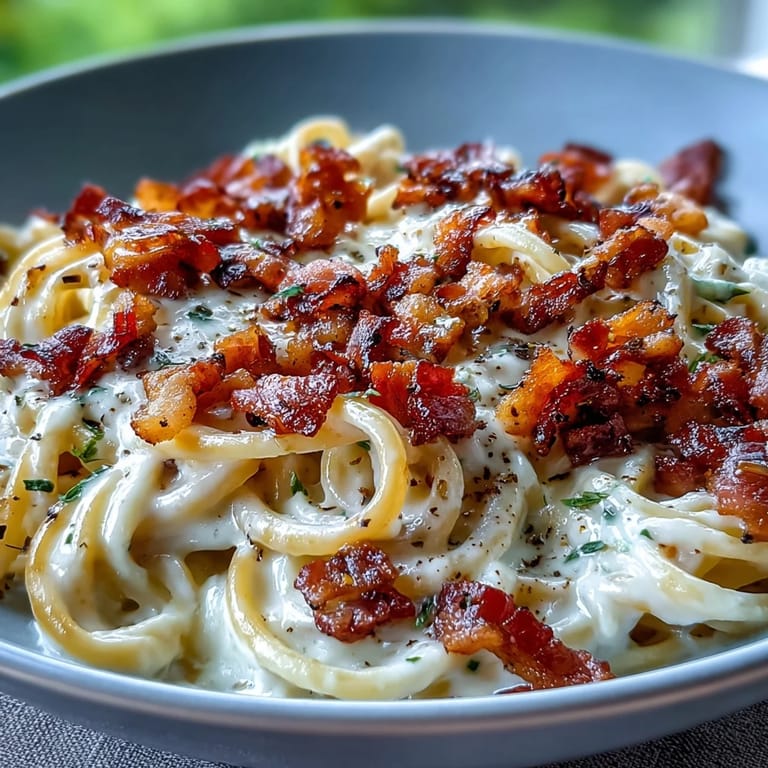
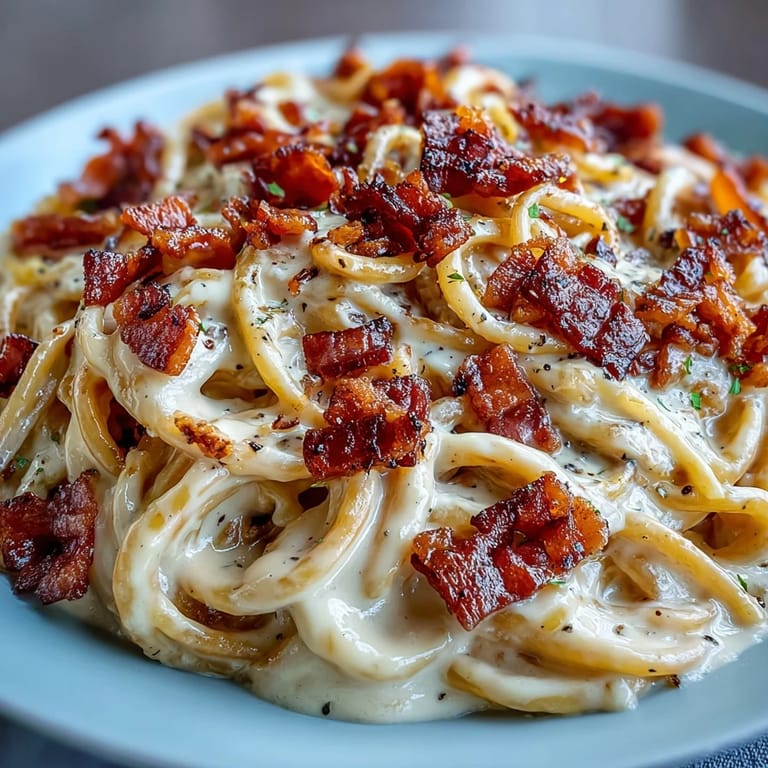
 I was hunting for a way to feel indulgent without the post-pasta slump when a friend mentioned spiralising celeriac. At first, I was skeptical—how could a root vegetable stand in for silky strands of spaghetti? But one rainy Tuesday, with a head of celeriac staring at me from the counter, I decided to give it a go. The moment that first forkful hit my lips, tangled with crispy pancetta and glossy egg-Parmesan sauce, I was sold. It tasted like comfort, but lighter, earthier, and somehow more satisfying than I'd imagined.
The first time I made this for my sister, she didn't believe me when I told her it wasn't pasta. She kept twirling her fork, squinting at the noodles, insisting I was hiding something. When I finally showed her the spiraliser and the leftover celeriac peel, she laughed so hard she nearly choked. Now, every time she visits, she asks if I've got any of that fake pasta in the fridge. It's become our little ritual, and I love that a vegetable most people overlook has turned into something we both crave.
Ingredients
- Celeriac: This knobby root vegetable transforms into tender, noodle-like strands with a hint of celery flavor that doesn't overpower the sauce—just peel it well and spiralise evenly for the best texture.
- Pancetta: The star of the savory punch, rendering crispy little nuggets and leaving behind flavorful fat that coats every strand—if you can't find pancetta, streaky bacon works beautifully too.
- Eggs and egg yolks: The soul of carbonara, creating that luscious, creamy coating without a drop of cream—using extra yolks makes it silkier and richer.
- Parmesan cheese: Freshly grated is non-negotiable here, it melts into the sauce and adds that sharp, umami depth that pre-grated versions just can't match.
- Butter: A small knob adds extra richness and helps the celeriac caramelise slightly as it cooks, deepening the overall flavor.
- Olive oil: Just enough to get the pancetta started and prevent sticking—don't skip it or the meat might burn before it crisps.
- Black pepper and sea salt: Pepper is traditional and essential in carbonara, adding a warm bite that balances the richness, while salt should be added carefully since the pancetta and Parmesan are already salty.
Tired of Takeout? 🥡
Get 10 meals you can make faster than delivery arrives. Seriously.
One email. No spam. Unsubscribe anytime.
Instructions
- Prep the celeriac:
- Peel away the tough, knobby skin until you reach the pale flesh underneath, then run it through your spiraliser to create long, curly strands. Set them aside on a clean tea towel to absorb any excess moisture.
- Crisp the pancetta:
- Heat the olive oil in a large skillet over medium heat, then scatter in the diced pancetta and let it sizzle until golden and crispy, about 5 to 7 minutes. Remove the pancetta with a slotted spoon and set it aside, but leave all that beautiful rendered fat in the pan.
- Make the egg mixture:
- In a mixing bowl, whisk together the whole eggs, egg yolks, grated Parmesan, a generous grinding of black pepper, and just a pinch of salt. The mixture should look smooth and slightly thick, like a loose custard.
- Cook the celeriac noodles:
- Add the butter to the same skillet with the pancetta fat and let it melt over medium heat, then toss in the spiralised celeriac and sauté for 4 to 6 minutes. You want the strands tender but still with a little bite, not mushy or waterlogged.
- Toss with the sauce:
- Pull the skillet off the heat immediately, then pour in the egg-Parmesan mixture and the crispy pancetta, tossing everything vigorously with tongs so the residual heat gently cooks the eggs into a glossy, creamy sauce. If it looks too thick, add a tablespoon or two of hot water to loosen it up.
- Serve hot:
- Plate the carbonara right away, finishing each portion with extra Parmesan and a final twist of black pepper. This dish waits for no one, so gather everyone to the table before you start tossing.
 Save to Pins
  Save to Pins
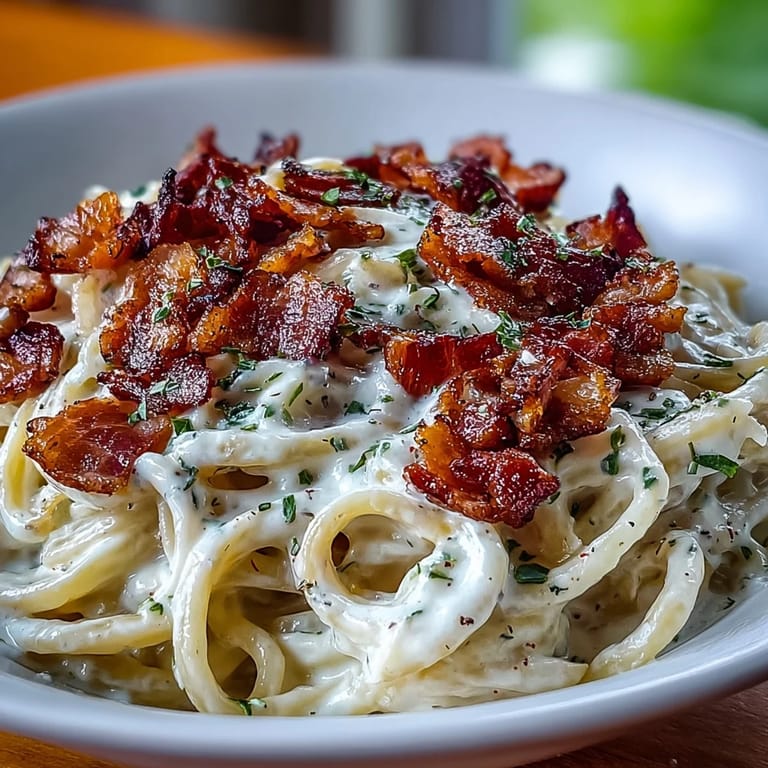
 One chilly autumn evening, I made this for a small dinner party, and the kitchen filled with the smell of crisping pancetta and toasted cheese. My friend Marco, who grew up in Rome, took one bite and went quiet for a moment. Then he grinned and said it reminded him of his nonna's cooking, even though she'd never touched a spiraliser in her life. That's when I realized this dish wasn't just a clever swap—it had somehow captured the heart of the original.
Choosing and Preparing Celeriac
Look for celeriac that feels heavy for its size and has firm, unblemished skin—avoid any with soft spots or excessive dirt caked on. The peeling process can feel a bit wasteful since the skin is so thick, but it's worth it to get to the creamy white flesh underneath. I like to trim the top and bottom flat first, then work my way around the sides with a sharp knife, following the curve of the bulb. Once it's peeled, spiralise it right away or store the strands in a bowl of cold water with a squeeze of lemon to prevent browning. Pat them dry thoroughly before cooking, or they'll steam instead of sauté.
Getting the Sauce Just Right
The secret to a perfect carbonara sauce, whether traditional or this celeriac version, is temperature control and timing. You want the residual heat from the noodles and the pan to gently cook the eggs into a creamy emulsion, not scramble them into clumps. I've found that taking the skillet completely off the heat and waiting about 20 seconds before adding the egg mixture gives you just the right window. If you're nervous, you can even place the pan on a cool surface or damp towel to slow things down. And if the sauce does start to look grainy, a splash of hot water whisked in quickly can sometimes bring it back together.
Serving Suggestions and Variations
This dish is rich enough to stand on its own, but a simple side salad with lemon vinaigrette cuts through the richness beautifully. I've also served it alongside roasted asparagus or sautéed greens for a more substantial meal. If you want to make it vegetarian, swap the pancetta for smoked tofu or even crispy mushrooms—they won't taste the same, but they'll add a savory depth that works. For a bit of extra decadence, stir a tablespoon of cream into the egg mixture, though purists might argue it's no longer true carbonara.
- Pair with a chilled Pinot Grigio or a light, dry Vermentino to balance the richness.
- Garnish with fresh parsley or a few chili flakes if you like a little heat.
- Leftovers can be gently reheated in a skillet with a splash of water, though the sauce will never be quite as silky as when it's fresh.
 Save to Pins
  Save to Pins
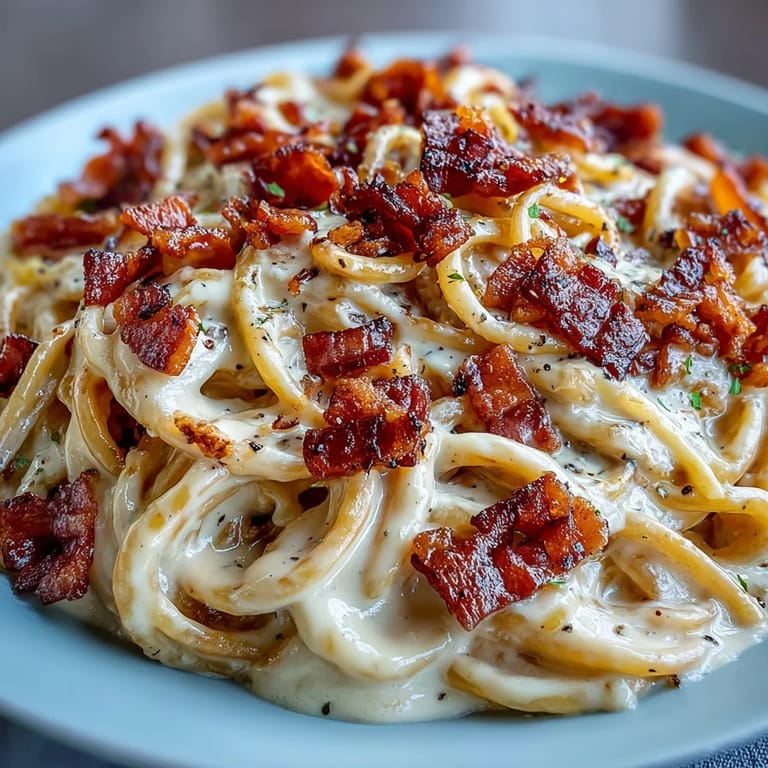
 This recipe has become my go-to whenever I want something that feels like a treat but doesn't leave me sluggish afterward. I hope it surprises you the way it surprised me, and that you find yourself making it again and again.
Questions & Answers
- → Can I prepare the celeriac noodles in advance?
Yes, you can spiralise the celeriac up to 24 hours ahead and store it in an airtight container in the refrigerator. Pat dry before cooking to remove excess moisture.
- → What's the best way to prevent the eggs from scrambling?
Remove the skillet from heat before adding the egg mixture and toss vigorously. The residual heat will gently cook the eggs into a creamy sauce. Work quickly and add a splash of hot water if needed.
- → Can I substitute pancetta with another ingredient?
Absolutely! Streaky bacon works perfectly, or try guanciale for a more authentic Italian flavor. For a vegetarian option, use smoked tofu or sautéed mushrooms for depth.
- → How do I achieve the perfect celeriac texture?
Sauté the spiralised celeriac for 4-6 minutes until just tender with a slight bite. Overcooking will make it mushy and watery, so watch it carefully and taste as you go.
- → What wine pairs best with this dish?
A crisp, dry white wine like Pinot Grigio, Sauvignon Blanc, or a light Chardonnay complements the creamy sauce and salty pancetta beautifully without overwhelming the delicate celeriac.
- → How can I make the sauce creamier?
Add a splash of heavy cream to the egg mixture before tossing with the celeriac, or reserve some pasta cooking water substitute (hot water with a pinch of salt) to adjust consistency.