 Save to Pins
 Not long ago, I set out to bake something that could capture the calm, steady vibe of Taurus season, and before I knew it, I was browning butter and coaxing deep caramel notes from sugar in my kitchen. The scent of butterscotch drifted through the air, mingling unexpectedly with the faint floral aroma of rose water. It was one of those afternoons where each step turned into a small ritual—from sifting flour to choosing which edible flowers seemed the most cheerful atop the final cake. I remember feeling a quiet sense of satisfaction as the earth-toned buttercream swirled over the layers, like painting a landscape on dessert. Baking this cake reminded me how grounding time in the kitchen can be.
I once made this Taurus cake for a quiet spring picnic with a few friends—we sliced into it on a gingham blanket, surrounded by the first green leaves of the season. Laughing over mismatched plates and noticing how the edible flowers echoed the wildflowers around us, I felt like we’d all stepped into a little celebration of the earth’s beauty.
Ingredients
- All-purpose flour: Essential for structure—sift it in to keep your layers soft and avoid lumps.
- Brown sugar: Brings out the rich butterscotch flavor; I always pack it tightly for accurate measurement.
- Unsalted butter: Use at room temperature for ultralight creaming—cold butter won’t blend smoothly.
- Sour cream (or plain yogurt): Keeps the cake wonderfully moist; don’t skip this step.
- Butterscotch sauce: Homemade from butter, sugar, and cream—it’s tempting to eat straight from the pot, but save some for the cake!
- Eggs: Add richness and help bind everything—crack them individually in case of a rogue shell.
- Vanilla extract: Adds sweetness and warmth; I’ve tried both vanilla and orange blossom, and both are dreamy.
- Whole milk: Keeps the batter loose and indulgent—use fresh for best results.
- Powdered sugar: Sift before mixing into the buttercream to keep things silken, not gritty.
- Culinary rose water: A gentle floral accent—use sparingly for balance. If you swap in orange blossom, the mood shifts ever so slightly.
- Dried lavender (optional): Brings a subtle herbal note; grind it finely so it disappears into the buttercream.
- Natural colorants (matcha, beet powder, cocoa, turmeric, spirulina): These give soft, earthy hues and a faint flavor—start with the tiniest pinch for just the right tone.
- Edible flowers: A finishing touch that brings the outdoors to your table—make sure they’re labeled as edible and food-safe.
- Fresh herbs (thyme, mint, rosemary): Their green pops against the cake, and just a few sprigs are plenty for aroma.
- Gold leaf or dust (optional): Adds a touch of celebration—use tweezers to place it delicately.
Tired of Takeout? 🥡
Get 10 meals you can make faster than delivery arrives. Seriously.
One email. No spam. Unsubscribe anytime.
Instructions
- Prep the pans:
- Set the oven to 350°F and line three pans with parchment; running your fingers along the edges catches stray smudges for easy unmolding later.
- Cook the butterscotch:
- Melt butter in a saucepan, swirl in brown sugar, and listen for that gentle sputter before adding cream—your kitchen might smell like toffee at this point. Stir it smooth, tossing in vanilla and salt off the heat, and let it cool to room temp while sneaking a taste.
- Mix dry and wet ingredients:
- Whisk together flour, baking powder, soda, and salt, then in another bowl, beat butter with brown sugar until pale and fluffy. Add eggs one by one, scraping down the sides, and blend in vanilla, then stir in sour cream and your freshly cooled butterscotch sauce until glossy.
- Bring it all together:
- Add the dry ingredients and milk to your batter in alternating rounds—start and finish with flour for a perfect crumb. Stop mixing as soon as it comes together for the airiest texture.
- Bake the layers:
- Divide evenly among the pans, smoothing the tops with an offset spatula. Bake for 28–35 minutes, until a toothpick leaves just a crumb or two behind, then cool for about 10 minutes in pans before turning onto racks.
- Craft the buttercream:
- Whip softened butter until it almost turns white, slowly adding powdered sugar so there’s no sugar cloud. Mix in milk for spreadability, then stir in rose water and lavender, dividing the buttercream and tinting each with natural colorants for those gentle, earthy hues.
- Assemble and chill:
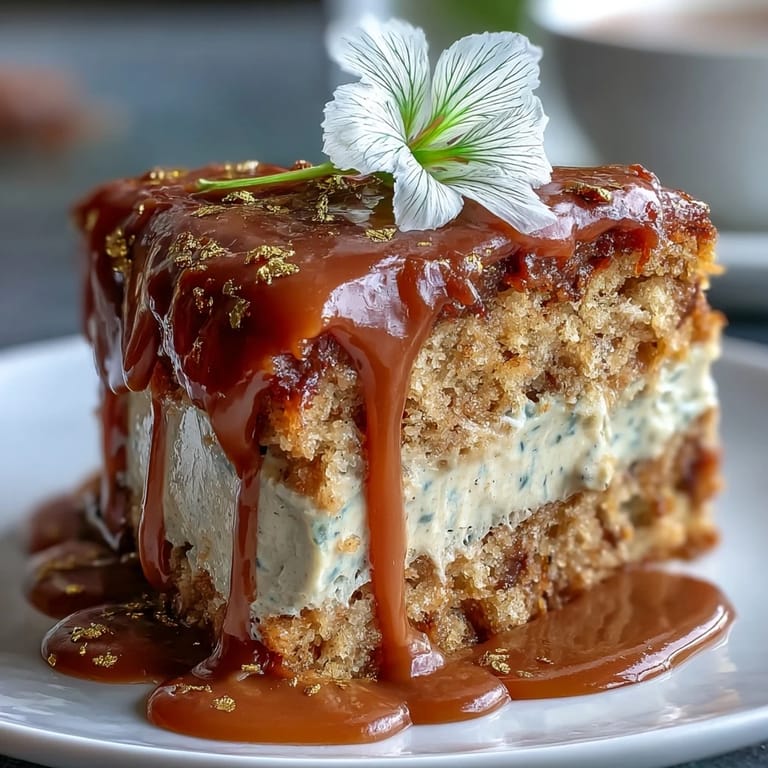
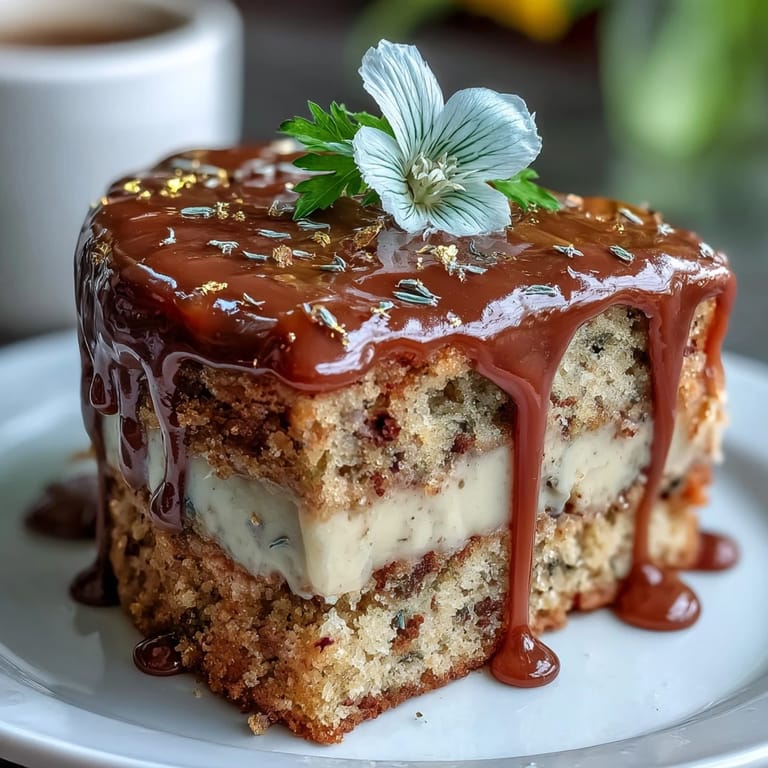
- Stack the cooled cakes with plush bands of buttercream, smoothing or swirling as the mood strikes—let some layers peek out for rustic charm. Pop the cake in the fridge for a short chill, just long enough to set the swirls.
- Finish with flair:
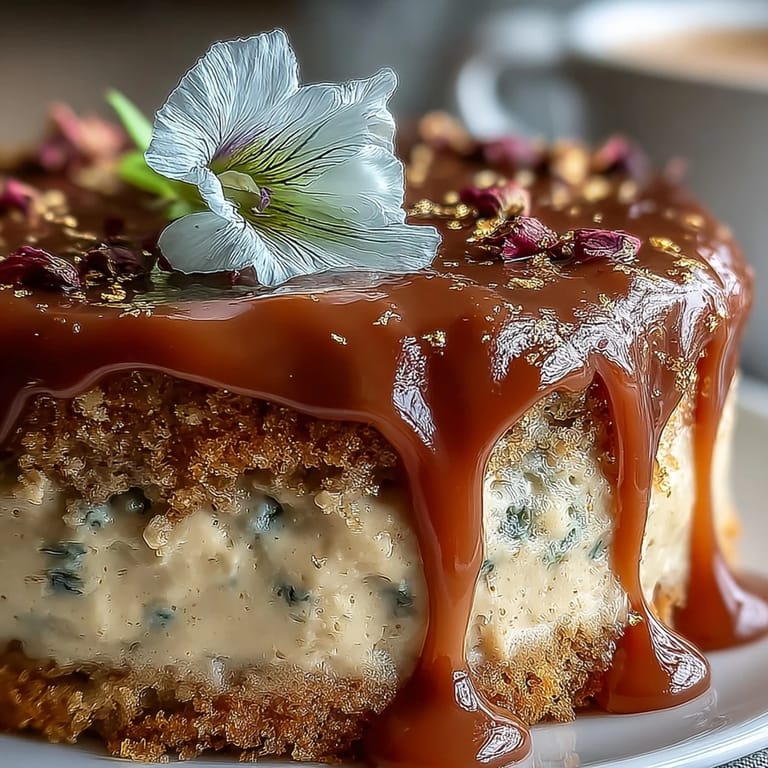
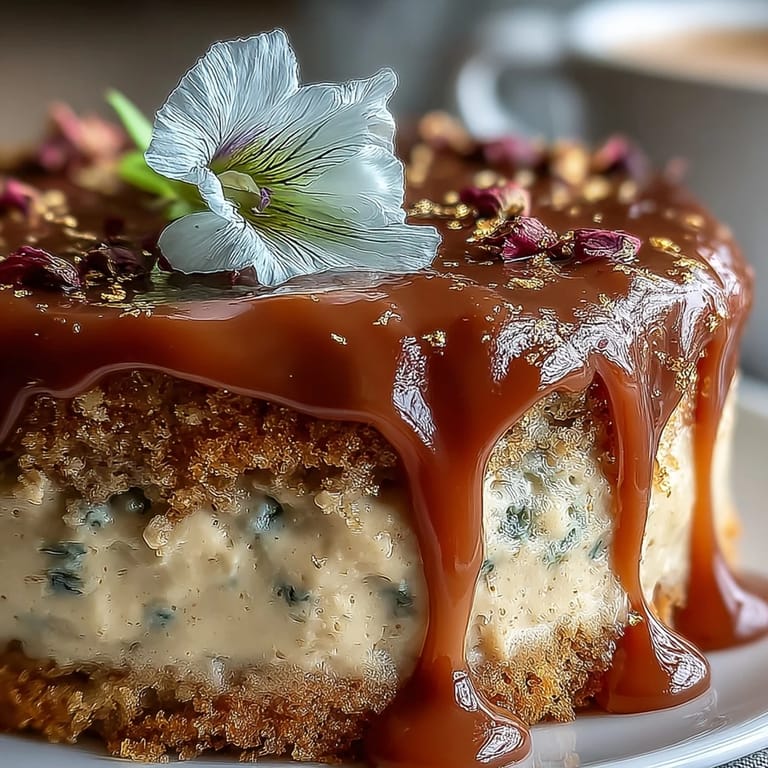
- Garnish the top with petals, herb sprigs, and a scattering of gold leaf. It’s ready to turn heads at any table.
 Save to Pins
  Save to Pins
 When my sister leaned over, grinning, to ask if I’d painted the cake with a brush, I realized this dessert can spark as much wonder as any bouquet. The way everyone lingered for seconds turned the cake into the kind of centerpiece that quietly makes a day memorable.
Choosing Natural Colors for Buttercream
I’ve experimented with a rainbow of kitchen colorants—beet for blush pink, matcha for mossy green, turmeric for gentle yellow. The trick is to add just a pinch at a time, whisking in thoroughly and making sure the buttercream stays light and fluffy. If you want bolder colors, layer thin swirls rather than over-mixing, which can mute the shades.
Getting the Most Out of Edible Flowers
Every time I choose edible flowers, I double check the labels and gently rinse them under cool water, patting dry on paper towels. Each blossom is fragile, and placing them with tweezers avoids fingerprints or bruising—they’re more delicate than they look. Arrange them just before serving so they stay perky and vibrant atop the cake.
Making Ahead and Storing
Baking the layers ahead and wrapping them tightly builds in freedom—you can stack and decorate the next day without stress. Store the finished cake at cool room temperature if you haven’t added fresh herbs, or refrigerate if you have. Use a serrated knife for neat slices.
- Bring to room temp for the best flavor and texture.
- If using gold leaf, add it after chilling to keep it from melting in your hands.
- Any leftover cake keeps perfectly for a couple of days under a cake dome.
 Save to Pins
  Save to Pins
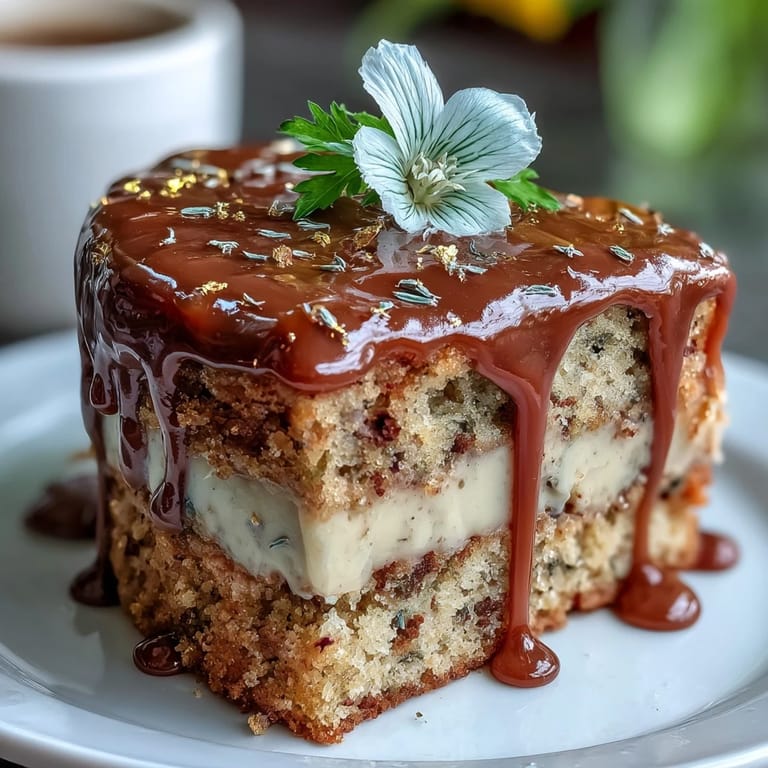
 This cake offers a gentle wow factor at parties or quiet birthdays alike, grounding everyone with its earthiness and blooms. However you decorate it, may each slice be its own little celebration.
Questions & Answers
- → How do I prevent a dense butterscotch sponge?
Cream the butter and brown sugar until light and aerated, avoid overmixing once flour is added, and alternate wet and dry ingredients to preserve lift. Bake until a toothpick comes out clean.
- → How is the butterscotch sauce made?
Melt butter, stir in brown sugar and cook briefly, add cream and simmer until smooth. Remove from heat, stir in vanilla and a pinch of salt, then cool before folding into the batter.
- → Which natural colorants give the best earth tones?
Matcha yields soft green, beet powder provides muted pinks, cocoa creates warm browns and turmeric gives gentle yellow. Use small amounts and test on a small buttercream batch for shade control.
- → Can I swap rose water for another floral element?
Yes—orange blossom water or extra vanilla offer floral or warm notes. Reduce quantity to taste and consider pairing with a touch of finely ground lavender for depth.
- → What’s the best way to assemble and chill layers?
Level each layer, spread a thin crumb coat of buttercream between layers for stability, chill 15–30 minutes to set, then apply a final coat and decorative swirls before a final chill to firm the finish.
- → Are edible flowers and herbs safe for decoration?
Use only flowers labeled edible from trusted sources, wash gently and pat dry. Avoid flowers treated with pesticides and remove any stems or inedible parts before arranging.