 Save to Pins
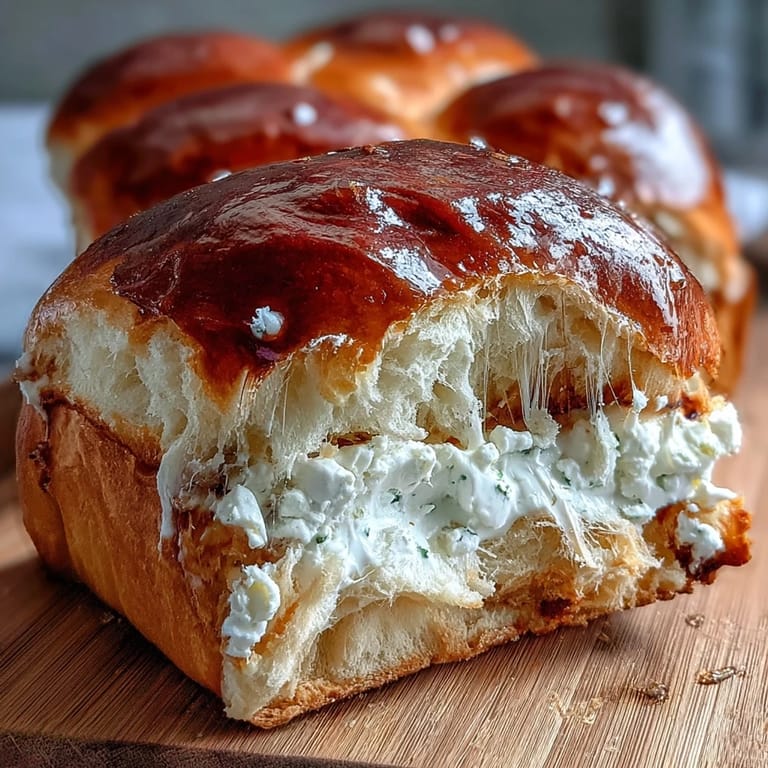
 The whiff of warm, sweet bread always makes me pause, but nothing says cloudlike comfort quite like Japanese Milk Bread fresh from the oven. The first time the loaf rose so spectacularly, I actually laughed out loud, surprised at how pillowy it looked in the pan. The Tangzhong method—the secret paste of flour and milk—caught my curiosity, so one afternoon I decided to see if it truly lived up to its reputation. While the mixing and kneading made me feel like an apprentice at a little Tokyo bakery, the result was so inviting, I couldn’t resist carving off the corner while it was still steaming. This is bread that begs to be torn and shared.
Once, while prepping the dough at dusk for a late-night sandwich craving, my roommate wandered in and marveled at the glossy, bouncy texture as I shaped each coil. There’s a camaraderie in brushing the top just before baking, joking about who will claim the first heel, and watching the kitchen fill with that unmistakable scent. No one is immune to the cheerful anticipation that builds in those last few minutes as the loaf turns golden in the oven.
Ingredients
- Bread flour: Gives the loaf its signature chewy-yet-tender bite—I find King Arthur brand yields the fluffiest crumb.
- Whole milk: Adds richness and helps with browning; warm it gently to avoid shocking the yeast.
- Sugar: Just enough to bring out the bread’s subtle sweetness, not to make it a dessert.
- Fine sea salt: Balances flavor; I’ve learned regular table salt can make it taste harsh, so use the good stuff.
- Instant yeast: The quick starter that transforms the dough—keep it away from direct contact with the salt at first.
- Large egg: For color and tenderness; room temperature eggs blend in seamlessly without chilling the dough.
- Unsalted butter: Softened so it disappears into the dough, making each bite supple and fragrant.
- Milk (for brushing): This simple step gives the crust its satin sheen.
Tired of Takeout? 🥡
Get 10 meals you can make faster than delivery arrives. Seriously.
One email. No spam. Unsubscribe anytime.
Instructions
- Cook the Tangzhong:
- Whisk together the bread flour, water, and milk in a small saucepan over medium heat. Stir constantly until it thickens to a pudding-like paste—watch for the lines made by your whisk as a cue to take it off the stove.
- Mix the Dough:
- Combine bread flour, sugar, salt, and instant yeast in a big bowl. Add your cooled Tangzhong, lukewarm milk, and egg, and mix until you have a ragged, sticky mass.
- Knead:
- Add the butter and knead with steady confidence—your hands or the mixer—until the dough feels satin-smooth and bounces back when pressed, about 10-15 minutes.
- First Proof:
- Set the dough into a lightly greased bowl, cover, and let it puff up in a warm spot for about an hour. The dough should double in size and look a little like a soft pillow.
- Shape the Loaf:
- Deflate gently and cut into three even pieces; roll each into a rectangle, fold the sides in, then roll up snugly into logs. Nestle them seam-side-down into your greased loaf pan, nestling them side-by-side.
- Second Rise:
- Cover again and let the shaped dough rise until almost at the rim of the pan, 30 to 45 minutes. Listen for the sound of bubbling yeast—it’s busy at work.
- Bake:
- Preheat oven to 350°F (175°C); brush the top with milk for a soft gloss. Bake for 28-32 minutes, until the loaf is deep golden and resonates hollow when tapped on top.
- Cool and Slice:
- Cool in the pan for 10 minutes, then turn out onto a wire rack. Wait until fully cool (if you can) before slicing to keep those perfect, airy layers.
 Save to Pins
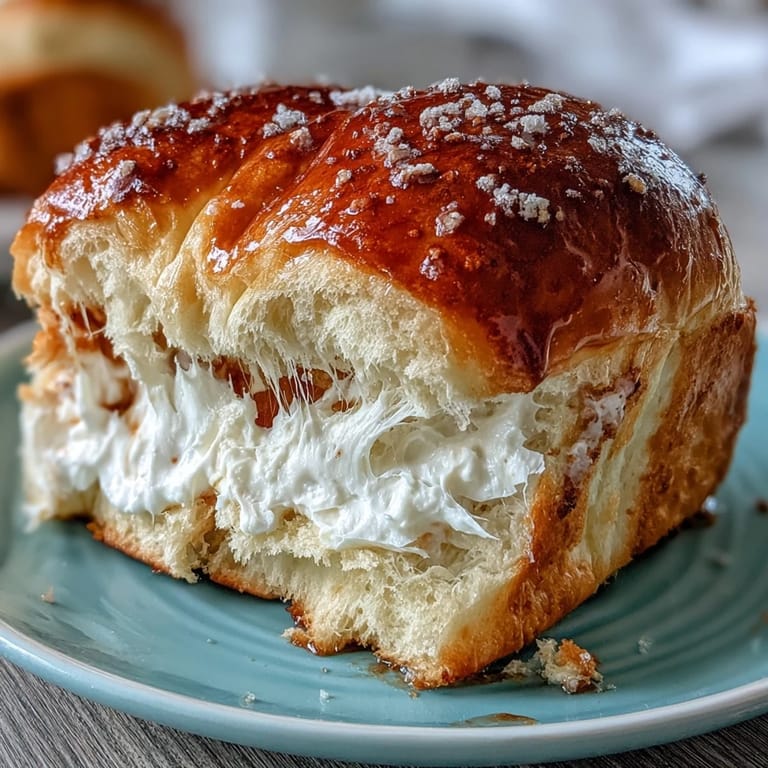
 There’s a particular joy in watching someone’s face light up as they break into the first slice, seeing how the bread tears in silky strands. On rainy afternoons, serving thick slices with good butter became an instant ritual for my little household—a reminder that food can lift a cloudy day just a bit.
Finding the Right Touch with Dough
The dough will feel stickier than most bread doughs, but resist the urge to drown it in flour. With practice, you’ll notice how soft and elastic it should be—if it clings a little, that’s exactly what creates the final bread’s airy, moist crumb.
When to Add Flavor Twists
Some afternoons I stir in a splash of vanilla or swap in a spoonful of cream—tiny adjustments that transform the mood of the loaf. Don’t be afraid to fold in a handful of chocolate chips or rub citrus zest into the sugar for something seasonally special, especially if you’re sharing with kids.
Keeping It Fresh (and Even Better the Next Day)
This bread stays soft for days sealed up, but if you’ve got leftovers, a quick toast brings back its fresh-baked magic. Sometimes, all it takes is a spoonful of leftover milk, splashed on while reheating, to revive that first-day tenderness.
- If your kitchen is chilly, let the dough rise in your (off) oven with the light on.
- Slice only what you need and keep the rest wrapped tightly in plastic wrap.
- A thin brush of melted butter after baking softens the crust even more.
 Save to Pins
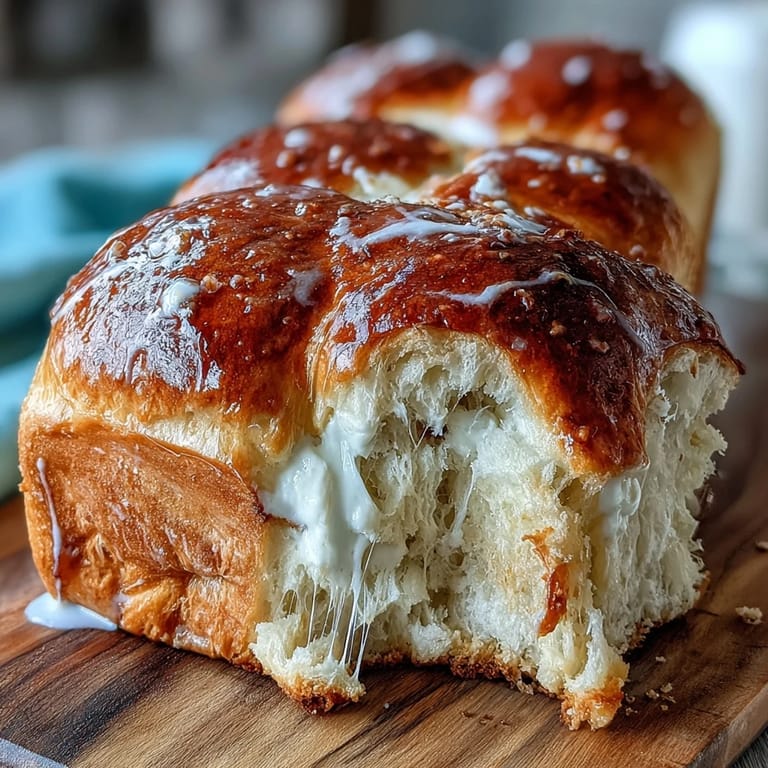
 Baking Japanese Milk Bread never fails to bring little wins and cheerful surprises to my kitchen. I hope you find as much delight in crafting and sharing it as I always do.
Questions & Answers
- → What is Tangzhong and why use it?
Tangzhong is a cooked flour-and-liquid roux that gelatinizes starches. It helps the loaf retain moisture, producing a softer crumb and extending freshness.
- → Can I use all-purpose flour instead of bread flour?
Bread flour is recommended for better structure and chew. All-purpose can work but the loaf may be slightly denser; knead a bit longer and monitor rise times.
- → How do I know when the dough is properly kneaded?
The dough should feel smooth and elastic. Perform the windowpane test: stretch a small piece thinly—if it forms a translucent film without tearing, it's ready.
- → Why brush the top with milk before baking?
Brushing with milk yields a tender, lightly browned crust and a subtle sheen, contributing to the soft exterior typical of this loaf.
- → How should I store the loaf to keep it soft?
Cool completely, then store in an airtight container or bread bag at room temperature for several days. Slice as needed and freeze extras for longer storage.
- → Are there easy flavor variations to try?
Yes—replace part of the milk with cream for richness, add a teaspoon of vanilla, or fold in fillings like cinnamon sugar or sweet bean paste for different profiles.