 Save to Pins
 The first time I attempted brown sugar boba milk tea at home, my kitchen smelled like a caramel factory just after rain—sweet steam rising up as the brown sugar syrup bubbled gently on the stove. Instead of city noise, I heard only the patient scraping of tapioca dough on the counter and an eager friend at the table announcing she'd be the “official taste tester.” It all felt a bit theatrical, but there was a playful joy in realizing we could conjure that café treat right in my own little kitchen. Watching the dark syrup lace around ice cubes, I started thinking how certain drinks instantly add a holiday spirit—no occasion necessary.
I once brought a thermos of homemade brown sugar boba milk tea to a late-night study session, and as soon as I took the lid off, the sweet aroma had everyone smiling—even if my swirling syrup art had turned to abstract blobs by then. Somehow, sharing it made all those test notes feel a little less intimidating.
Ingredients
- Tapioca starch: This is the backbone for chewy pearls—sift it first to dodge those stubborn clumps and always dust your hands well.
- Brown sugar: Choose dark for maximum depth in both the pearls and syrup; the richer the sugar, the better the caramel flavor dances.
- Black tea: English Breakfast or Assam shine here, and I’ve learned to steep it a touch strong since the milk balances out any bitterness.
- Whole milk (or oat milk): Both give silky richness; if you’re using plant-based, try oat for creaminess closest to the classic.
- Ice cubes: For that signature swirl and immediate refreshment—big, chunky cubes seem to work best.
Tired of Takeout? 🥡
Get 10 meals you can make faster than delivery arrives. Seriously.
One email. No spam. Unsubscribe anytime.
Instructions
- Make the tapioca pearl dough:
- Simmer brown sugar and water until you smell sweet, toasty notes, then whisk in the first dose of tapioca starch until glossy. Let it rest off heat, then scrape in the rest of the starch and knead—use your fingers, patience, and maybe a bit of laughter for this sticky stage.
- Shape and cook the pearls:
- Pinch off tiny bits and roll into pea-sized balls, dusting as you go—some may look odd, but they all taste great. Boil until the kitchen timer nags at you and the pearls float, then let them bathe in syrup for chewiness perfection.
- Simmer the brown sugar syrup:
- Stir sugar and water in a saucepan, breathing in that butterscotch smell as it thickens. Slide the cooked pearls in and let them soak up the syrup warmth—this step gives them their classic glossy shine.
- Brew the tea and chill:
- Steep strong black tea in hot water and cool; I often park it in the fridge while prepping pearls. Stir in milk and a spoonful of sugar for those who like things extra sweet, then set aside over ice if bold and frosty is your thing.
- Assemble and enjoy:
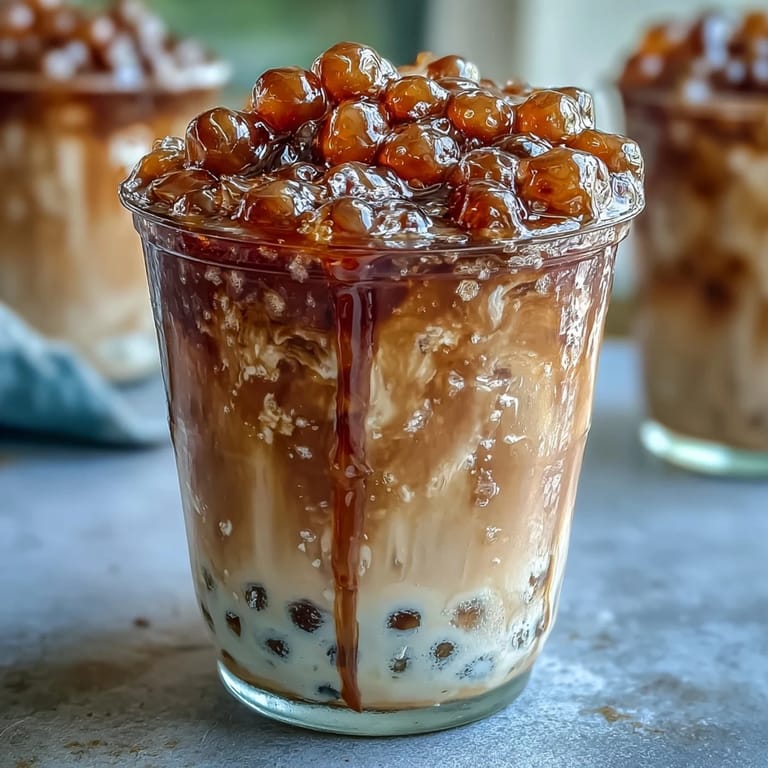
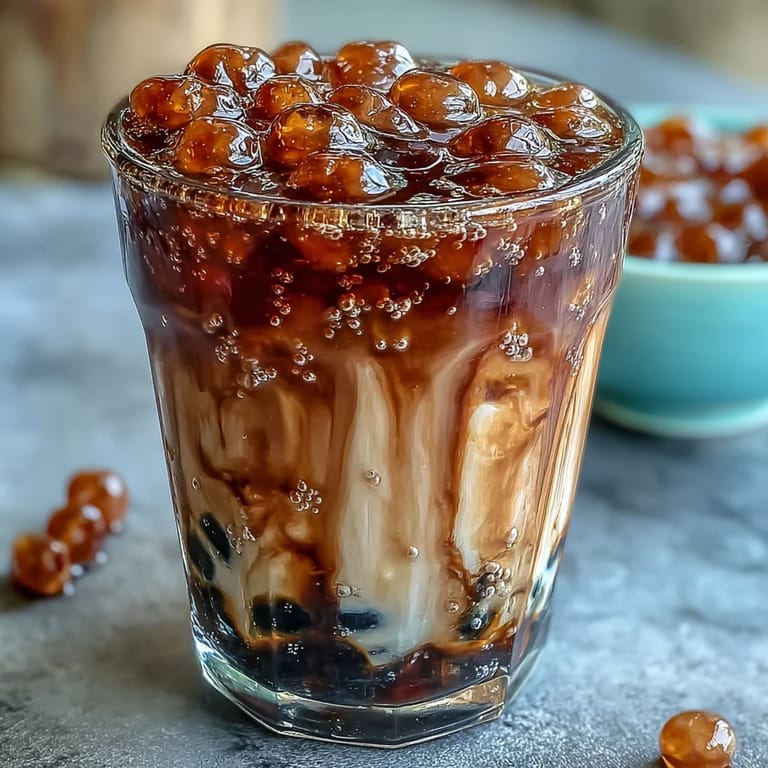
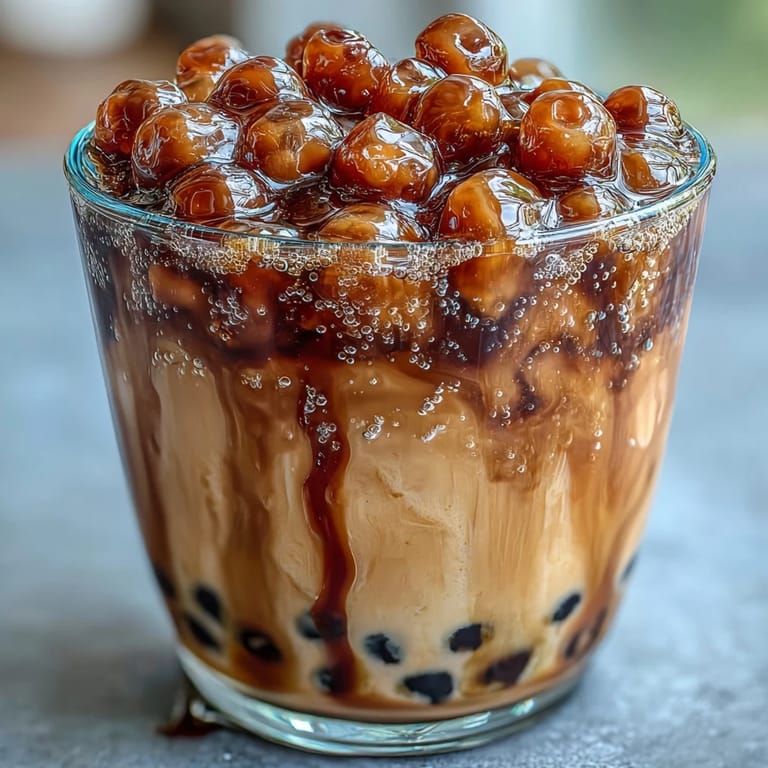
- Spoon a generous layer of pearls and syrup into glasses and swirl it up the sides for drama. Add ice, pour in tea and milk, and serve with a wide straw—chewy and creamy in every single mouthful.
 Save to Pins
 One muggy summer evening, we made a batch of boba milk tea and sipped them chatting on the balcony. The sound of ice tinkling in glass and friends guessing the tea blend somehow made the world feel slower—even if just for ten peaceful minutes.
Choosing Your Sweeteners
I’ve tested this recipe with both light and dark brown sugars, and the dark variety always leaves a velvet-rich flavor and a toffee-like backdrop in both the syrup and pearls. If you're in a bind, coconut sugar gives an earthy twist, but trust me—dark brown sugar is king for the marbled look and taste.
Finding Your Perfect Tea
Loose leaf gives more fragrance, but good quality bagged tea works neatly too, especially on busy days. Brew a little stronger than you would for drinking plain; the milk and sweet syrup smooth everything out, and a robust base means every sip is bold and balanced.
Troubleshooting and Little Fixes
If your pearls come out a little too firm, try resting them in hot syrup a bit longer, and don’t be shy about stirring for a glossy finish. I've rescued a clumpy dough by kneading with slightly wet hands to smooth things out—kitchen improvisation is gold when working with starch-based doughs.
- If your syrup thickens too much, zap it in the microwave for a few seconds to loosen it up.
- Let each person swirl their own glass for a bit of fun—the marbling looks even more dramatic this way.
- Remember to serve the milk tea right away, before the pearls lose their bounce.
 Save to Pins
 There’s nothing quite like sipping your own homemade brown sugar boba milk tea, especially when the glass is foggy with chill and the pearls are perfectly chewy. May every cup you make taste like a small victory you created for yourself.
Questions & Answers
- → How do I get chewy tapioca pearls?
Use a balance of hot syrup and proper boiling time: roll small, even pearls, boil 20–25 minutes then let them rest covered for 10 minutes. Rinse in cold water and finish in warm brown sugar syrup to maintain chewiness.
- → Can I make the brown sugar syrup ahead of time?
Yes. Make syrup and keep cooked pearls in it at room temperature for up to 4 hours. Beyond that, texture softens; refrigerate separately and gently reheat the syrup before serving to refresh pearls.
- → What milk works best with this drink?
Whole milk gives the creamiest mouthfeel, while oat or almond milk are great dairy-free options. Choose a neutral or slightly sweet plant milk to complement the brown sugar notes.
- → How strong should I brew the tea?
Brew a robust black tea (5–7 minutes) so it holds up when mixed with milk and ice. Adjust steeping time or tea amount to balance bitterness and sweetness to taste.
- → Why do pearls sometimes turn hard after cooling?
Starch retrogradation causes hardening when pearls cool in plain water. Keep them in warm syrup to retain moisture and chew, or serve soon after cooking for best texture.
- → How can I achieve the signature marbled look?
Spoon warm brown sugar syrup and pearls into the glass, tilt and swirl to coat the sides, then gently pour chilled milk tea over ice. The contrast between syrup and milk creates the marbled effect.