 Save to Pins
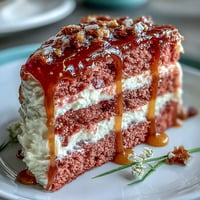
 The first time I brought home blood oranges from the market, it was less about recipe planning and more about their irresistible color—almost glowing, impossible to walk by without picking a few up. That afternoon, moody winter sunlight poured across my counter as I zested and juiced, the scent instantly brightening the whole kitchen. There was a playful splatter when I cut into the oranges, painting my cutting board with unexpected pink. This cake sprang from that moment of citrus recklessness, blending polenta and almonds into a crumb that felt both sunny and comforting. It has since become a favorite for the days when the sky needs a little help waking up.
I still laugh remembering the last brunch I baked this cake for—a house full of mismatched socks and the hum of coffee brewing, someone shouting out about how 'fancy' it looked. We all hovered over the wire rack, too impatient to wait for perfect cooling. An excited puppy tried to steal an orange slice from the counter, and powdered sugar dusted the floor like confetti. Baking that morning felt like letting a little festival happen right in our kitchen. It reminded me that beautiful food doesn't ask for a special occasion; it makes one.
Ingredients
- Unsalted butter: Creamy, room temperature butter creates a lush crumb—let it soften fully for better mixing.
- Caster sugar: Finer than granulated, it dissolves into the batter for even sweetness and a delicate crust.
- Eggs: Adding them one at a time keeps the cake effortlessly light and prevents curdling—a trick I learned after an early mishap.
- Zest of blood oranges: This gives the cake its signature aroma, intense and floral, so zest right over the mixing bowl to catch all the oils.
- Fine polenta (cornmeal): The key to a tender-yet-rustic crumb, just be sure it's fine, not coarse, or the texture can be gritty.
- Ground almonds: Add rich moisture and subtle flavor; store them airtight so they stay fresh.
- Gluten-free baking powder: Helps the cake rise beautifully; double-check for gluten if serving celiac friends.
- Pinch of salt: Just enough to sharpen all the other flavors—I forgot this once and the cake seemed flat.
- Blood orange juice: Infuses the crumb and glaze with color and acidity; fresh-squeezed is crucial for the best color and brightness.
- Vanilla extract: A background note that brings all the ingredients together—go for real vanilla if you can.
- Powdered sugar: Sifted, it creates that glossy, picture-perfect glaze with zero lumps.
- Edible flowers (optional): An extra bit of springtime drama—totally not required, but always charming when you have them.
Tired of Takeout? 🥡
Get 10 meals you can make faster than delivery arrives. Seriously.
One email. No spam. Unsubscribe anytime.
Instructions
- Prep the pan and oven:
- Grease your 20 cm round cake tin and line the base with parchment, then set your oven to 170°C, letting your kitchen fill with gentle warmth.
- Cream the butter and sugar:
- Use an electric mixer to beat them until pale and creamy; it should look billowy and smell sweetly buttery.
- Add the eggs:
- Beat them in one at a time—don't rush this step, and scrape the bowl so everything mixes evenly.
- Zest and vanilla:
- Zest the blood oranges straight over the bowl, then add vanilla, letting the aroma drift up as you mix it in.
- Dry ingredients mingle:
- In a clean bowl, whisk polenta, ground almonds, baking powder, and salt—this keeps everything from clumping and distributes flavors keenly.
- Bring it together:
- Gently stir dry ingredients into your wet mixture just until combined—overmixing can make the cake dense.
- Add the juice:
- Pour in the blood orange juice and fold it through until the batter loosens and blushes a little pink.
- Pour and smooth:
- Spoon your batter into the prepared tin, smoothing the top so it bakes up evenly golden.
- Bake:
- Slide into the oven for 40–45 minutes; the cake is done when your skewer comes out mostly clean and the top springs back to a gentle press.
- Cool the cake:
- Let it cool in the tin for 10 minutes, then carefully turn it out onto a wire rack as the steam escapes in soft clouds.
- Make the glaze:
- Sift powdered sugar into a bowl and drizzle in blood orange juice, stirring as you go, until you reach a thick, pourable, rosy glaze.
- Glaze and decorate:
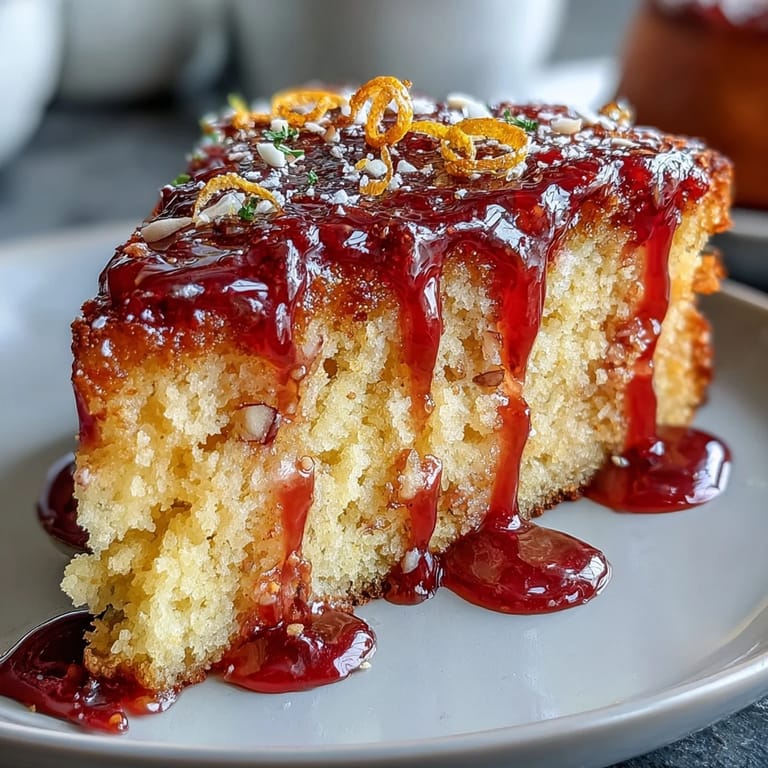
- Once completely cool, spoon glaze over the cake, letting it drip prettily down the sides, and crown it with slices of blood orange or flowers if you fancy.
 Save to Pins
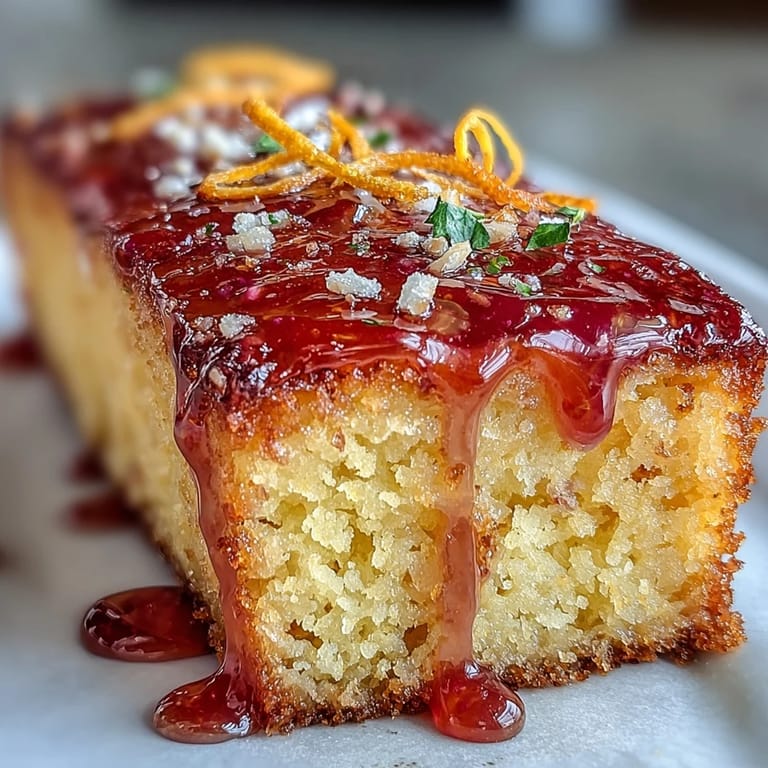
 The last time we sliced into this cake after dinner, conversation paused while everyone took their first bite and smiled—there was that little collective sigh, as if we all remembered sunshine on a cloudy day. These small, vivid rituals turn dessert into something much bigger than a sweet course.
Choosing Your Citrus for Maximum Impact
Blood oranges lend more than color—their perfumed sharpness sets this polenta cake apart. If you ever swap with regular oranges, the result is delicious but missing that remarkable blush; sometimes I combine both if I’m short on blood oranges, and the flavor turns unexpectedly layered.
Making Ahead and Storing with Confidence
This cake stays tender for days, its crumb growing even richer by the second or third. Wrapped well, it keeps at room temperature, and I secretly prefer it the day after, when the citrus has settled into every speck of almond and cornmeal.
Presentation Tricks and Last Minute Finishes
If you want to dazzle, arrange a fan of fresh orange slices on top, and scatter edible flowers for confetti-like flair. A dusting of extra zest right before serving makes the cake sing with brightness.
- If your glaze is too runny, add more powdered sugar until it’s perfect.
- Wait until the cake is absolutely cool—trust me on this one.
- Even a slightly messy drizzle looks beautiful and inviting.
 Save to Pins
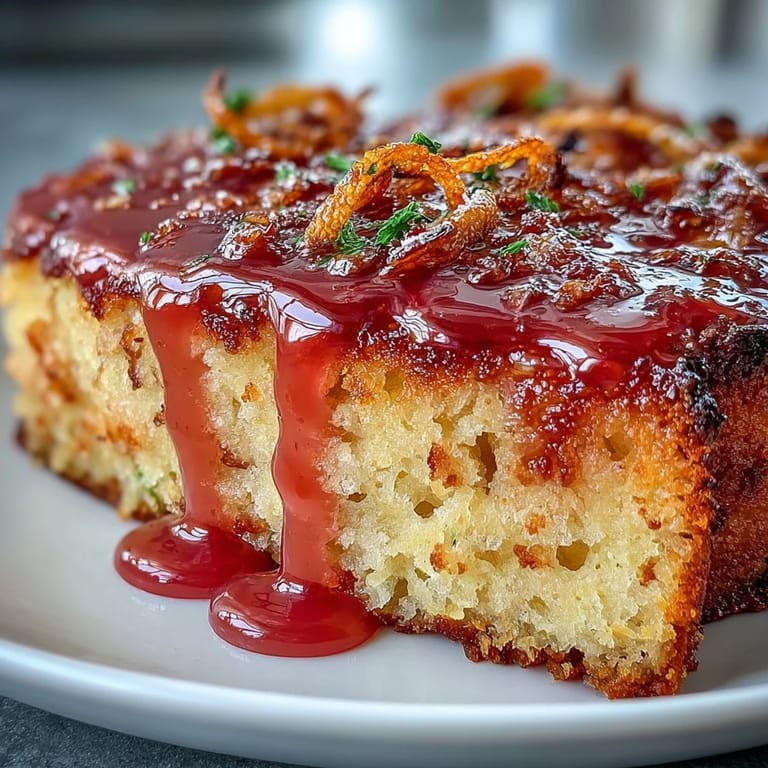
 Baking this blood orange polenta cake always brings a spark of sunshine straight to the table. I hope your kitchen smells just as uplifting when you pull yours from the oven.
Questions & Answers
- → Can I use regular oranges instead of blood oranges?
Yes. Regular oranges provide similar acidity and sweetness but the glaze will be paler. Taste the juice and adjust the amount to balance sweetness and brightness.
- → How do I keep the cake moist?
Avoid overbaking and brush the warm cake with extra blood orange juice before glazing. Ground almonds also add tenderness and moisture to the crumb.
- → Is fine polenta essential?
Fine polenta yields the softest crumb. Coarse polenta gives a grittier texture; if using it, consider briefly pulsing or soaking in juice to soften the grains.
- → How can I tell when it's done?
Insert a skewer into the center—it should come out with a few moist crumbs but no wet batter. The top should be golden and the cake should spring back lightly when pressed.
- → How should I store the cake?
Store cooled and glazed cake covered at room temperature for up to 2 days, or refrigerate for up to 4 days. Allow to come to room temperature before serving for best texture.
- → What can I use instead of ground almonds?
For a nut-free option, try sunflower seed flour or a blend of extra fine polenta with 1–2 tablespoons neutral oil to mimic richness. Expect a mild change in colour and flavour.