 Save to Pins
 My neighbor stopped by one Saturday morning with a box of fresh oranges from her tree, and I realized I had about twelve hours and zero plan for using them. That's when overnight orange rolls clicked into place—the kind of recipe that takes five minutes of prep work but somehow makes your whole kitchen smell like a citrus dream by sunrise. The dough does all the heavy lifting while you sleep, which felt like cheating in the best possible way. By morning, my family was following their noses to the kitchen before I'd even poured coffee.
I made these for my daughter's friend group during one of those lazy Sunday brunches where nobody wanted to leave the table. Halfway through eating, someone asked if I'd bought them from a bakery, and I got to say the best four words: I made them last night. That simple truth sparked a conversation about cooking ahead, which somehow turned into three people asking for the recipe before they finished eating.
Ingredients
- All-purpose flour (3 1/2 cups): This is your dough's backbone, so measure by weight if you can, since spooning and leveling gives inconsistent results that can throw off your rise time.
- Instant dry yeast (2 1/4 tsp): Check your expiration date because stale yeast is the silent dream-killer—fresh yeast is the difference between puffy rolls and dense doorstops.
- Whole milk (3/4 cup, lukewarm): Warm but not hot is the rule; use a thermometer if you're unsure, since boiling milk kills the yeast before it even gets started.
- Unsalted butter (1/4 cup melted plus 1/4 cup softened): Keep these separate in your mind—melted goes in the dough, softened spreads over the filling, and they behave completely differently.
- Large eggs (2, room temperature): Cold eggs won't incorporate smoothly, so pull them from the fridge about fifteen minutes before mixing if you remember.
- Orange zest from 3 large oranges total: Zest before juicing, use a microplane for fine threads that don't overpower, and don't skip this—it's what makes these rolls actually taste like oranges instead of just smelling like them.
- Granulated sugar (1/2 cup for filling): The sugar and butter create pockets of flavor, so don't skimp or pack it down when sprinkling.
- Powdered sugar (1 cup for glaze): Sift if you have lumps, or just whisk it really well since lumpy glaze looks sad dripping down warm rolls.
- Fresh orange juice (2–3 tbsp for glaze): Freshly squeezed makes a visible difference in both taste and texture, though bottled works when you're tired.
Tired of Takeout? 🥡
Get 10 meals you can make faster than delivery arrives. Seriously.
One email. No spam. Unsubscribe anytime.
Instructions
- Mix your dry team:
- Whisk flour, sugar, yeast, and salt together in a large bowl and just let them get acquainted—this step takes thirty seconds but prevents lumpy yeast clumps later.
- Combine the wet side:
- In another bowl, whisk together lukewarm milk, melted butter, room-temperature eggs, and orange zest until you see the zest distributed throughout like tiny flavor confetti.
- Bring them together:
- Pour wet into dry and stir until a shaggy, sticky dough comes together; don't overmix yet, just get everything incorporated so flour stops peeking through.
- Knead until smooth:
- Use a stand mixer with the dough hook or your hands for seven to eight minutes, until the dough transforms from sticky and chaotic into something smooth and slightly elastic that springs back when you poke it. This is where the gluten develops and your rolls become tender instead of tough.
- Let it rise overnight style:
- Place the dough in a greased bowl, cover it with plastic wrap, and let it rise in a warm spot for one to two hours until roughly doubled—this first rise builds flavor and structure.
- Shape your rolls:
- Punch down the dough, turn it onto a lightly floured surface, and roll it into a ten by sixteen-inch rectangle; if it keeps shrinking back, let it rest for five minutes and try again.
- Fill with butter, sugar, and zest:
- Spread softened butter across the whole rectangle, sprinkle the filling sugar and orange zest evenly, and press gently so everything holds together when you roll.
- Roll and cut:
- Roll the rectangle tightly from the longer edge into a log, then use a sharp knife or even dental floss to cut twelve even pieces; wet your knife between cuts so the dough doesn't drag and tear.
- Arrange for the overnight wait:
- Place all twelve rolls in a greased nine by thirteen-inch baking dish, cover tightly with plastic wrap, and refrigerate overnight—this slow rise in cold air develops complex flavor and means you genuinely just pop them in the oven tomorrow.
- Wake up and warm up:
- Remove rolls from the fridge in the morning and let them sit at room temperature for forty-five to sixty minutes until they look puffy and feel light when you gently touch one; they should almost double in volume.
- Bake until golden:
- Preheat your oven to 350°F (175°C) and bake for twenty-two to twenty-five minutes until the tops turn deep golden brown; the kitchen will smell so good you'll wonder why you don't do this every day.
- Make the glaze while they bake:
- Whisk powdered sugar, fresh orange juice, and orange zest together until smooth and drizzle-able; if it's too thick, add juice drop by drop until it flows like you want.
- Finish and serve:
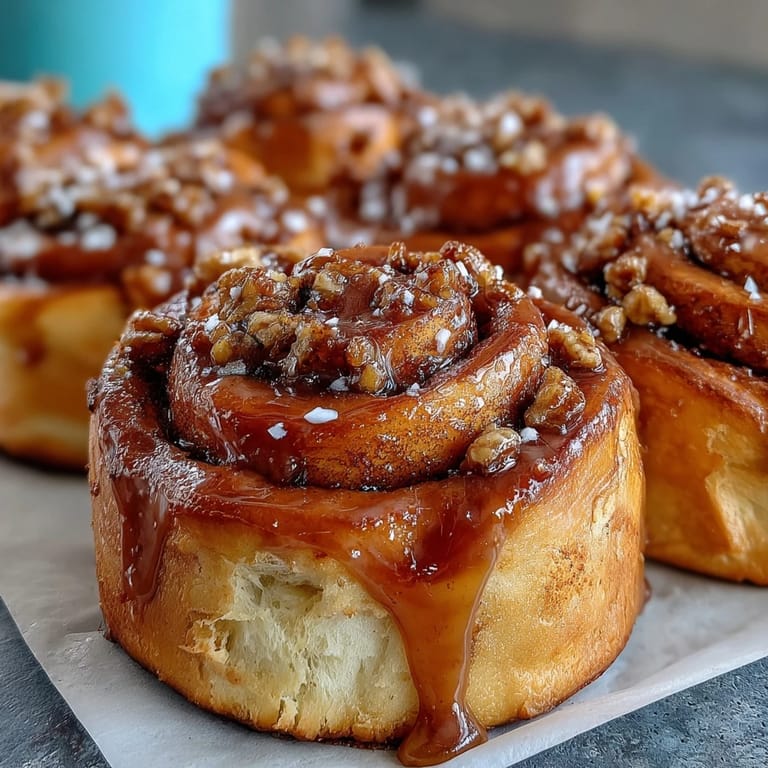
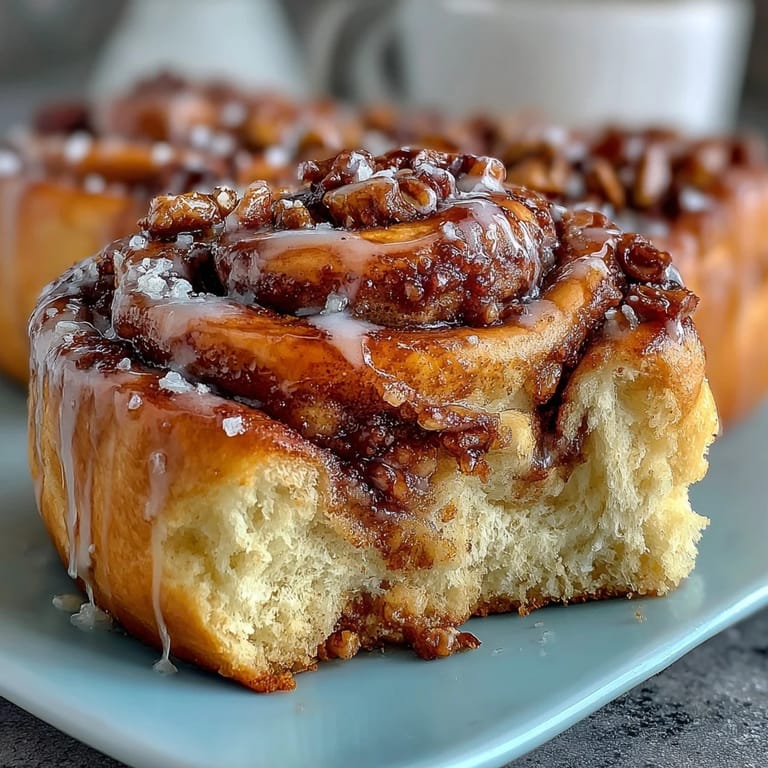
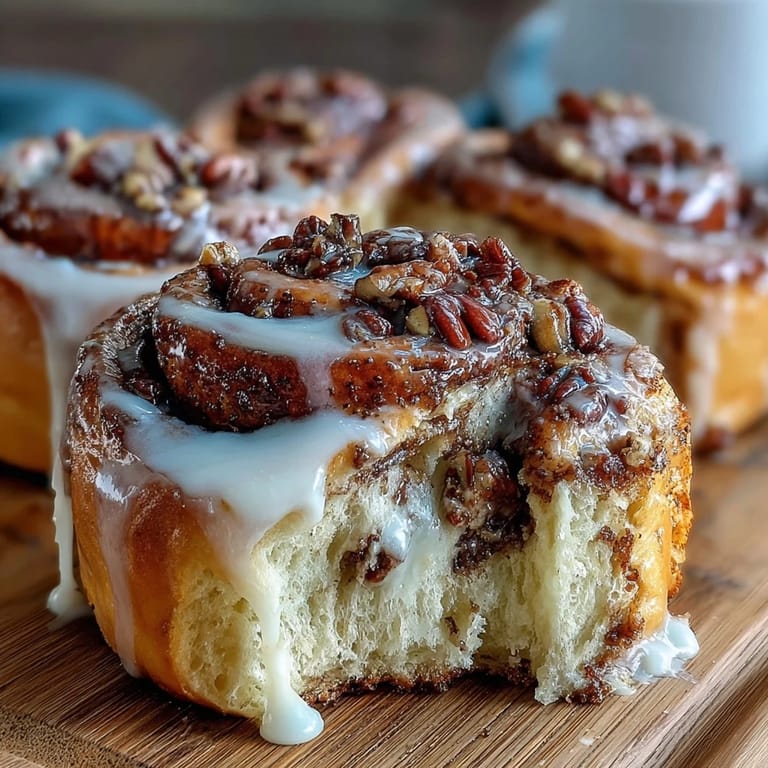
- Drizzle warm glaze over the rolls straight from the oven and let people eat them while they're still a little warm and soft, which is the only way these should ever be eaten.
 Save to Pins
 One morning my oldest made these rolls solo after seeing me do it once, and called me at work just to say they turned out perfect and everyone at school was asking where he bought them. That phone call meant more than any compliment about my own cooking—it was watching someone discover that good food doesn't require fancy skills, just patience and a little care.
Why Overnight Dough Is Your Secret Weapon
The magic of making these the night before isn't just about sleeping in, though that's nice too. Cold fermentation in the fridge transforms yeast dough into something with actual depth and complexity—flavors develop slowly, gluten relaxes so your dough becomes easier to shape, and you genuinely get better rolls with less effort. I've tried making the same rolls with just a morning rise, and the difference is noticeable once you taste the real thing.
The Citrus Game Changer
Fresh orange zest is doing heavy lifting here that bottled zest simply can't match. Microplane is the tool that changes everything—it pulls off the colored oil layer without the bitter white pith underneath, and the zest stays bright and fragrant instead of oxidizing into something muted. I learned this the hard way after ruining a batch with a box grater, and now I'm religious about it.
Timing, Flexibility, and Your Breakfast Dreams
The beauty of this recipe is built-in flexibility once you understand the principles. The overnight fridge time can stretch to thirty-six hours without disaster, and the morning rise adapts to your kitchen temperature—cool kitchens need more time, warm ones less. I've learned to read the dough instead of watching the clock, looking for that puffy, light feel rather than a specific number of minutes.
- If your kitchen runs cold, give the rolls extra time in the morning rise or wrap the baking dish in a kitchen towel to help them along.
- For extra richness, swap half the milk for fresh orange juice in the dough—it sounds fancy but tastes absolutely worth it.
- Cardamom in the filling is subtle magic if you want to add warmth and spice without making it obvious something's different.
 Save to Pins
 These rolls transformed breakfast from something I rushed through into something I actually look forward to. They taste like citrus and comfort, and the best part is knowing you did the hard work when you weren't even thinking about it.
Questions & Answers
- → How long should the dough rise overnight?
The dough should be refrigerated overnight, typically 8 hours, allowing a slow rise that enhances flavour and texture.
- → Can I add spices to the filling?
Yes, adding a pinch of cardamom to the filling gives a subtle warm note that complements the orange zest well.
- → What is the best way to cut the rolls evenly?
Use a sharp knife or dental floss to slice the rolled dough into even pieces, ensuring uniform shapes for baking.
- → Can milk be substituted in the dough?
For extra citrus flavor, replace half the milk with fresh orange juice without affecting the rise significantly.
- → How should the glaze be prepared?
Whisk together powdered sugar, fresh orange juice, and zest until smooth, then drizzle it over warm rolls for a zesty finish.
- → What tools are recommended for making these rolls?
A large mixing bowl, rolling pin, and optionally a stand mixer will help with dough preparation and shaping.