 Save to Pins
 My neighbor brought a bottle of homemade limoncello to a dinner party last spring, and I was so charmed by the bright yellow liquid that I knew I had to build something around it. Instead of sipping it straight, I started thinking about how that intense lemon kick could transform a simple pound cake into something memorable. That evening, standing in my kitchen with the bottle in hand and the scent of fresh lemons filling the air, I decided to create this cake—and it's been my go-to ever since for anyone who loves citrus with a sophisticated edge.
I baked this for a baby shower last May, and watching guests close their eyes after their first bite—that moment of pure surprise and delight—reminded me why I fell in love with cooking in the first place. One woman actually asked if I'd used real lemon juice or if the brightness came from the limoncello, which made me laugh because it's truly both working together in perfect harmony.
Ingredients
- All-purpose flour (2 1/2 cups): The foundation that keeps this cake tender without being dense, and measuring by weight ensures consistency every single time.
- Baking powder (1/2 tsp): Just enough lift to make the crumb light without making it airy or cake-like in texture.
- Fine sea salt (1/2 tsp): This balances the sweetness and actually makes the lemon flavor more pronounced than you'd expect.
- Unsalted butter (1 cup, softened): Room temperature is non-negotiable here because cold butter won't cream properly with the sugar, which is where all the magic happens.
- Granulated sugar (2 cups): The high amount keeps the cake incredibly moist and gives the glaze something to cling to.
- Large eggs (4, room temperature): Cold eggs won't incorporate smoothly and can break the emulsion, so take them out of the fridge at least 30 minutes before you start.
- Limoncello liqueur (1/3 cup): The star of the show—use a quality bottle because the flavor will shine, and yes, the alcohol bakes off but leaves behind its golden essence.
- Whole milk (1/4 cup, room temperature): Adds moisture without diluting the lemon flavor, and room temperature means it blends seamlessly.
- Fresh lemon juice (1/4 cup): This is where tanginess comes in, but use fresh juice from actual lemons, never the bottled stuff that tastes metallic.
- Lemon zest (2 lemons): Zest before juicing and use a microplane to get those delicate, aromatic oils without any bitter white pith.
- Pure vanilla extract (1 tsp): A small but essential amount that rounds out the flavor and keeps it from tasting one-note citrus.
- Powdered sugar (1 cup, sifted): Sifting prevents lumps and gives you that silky glaze that drips so elegantly down the sides.
- Fresh lemon juice for glaze (2–3 tbsp): Adjust the amount based on how thick or thin you want your glaze to be.
Tired of Takeout? 🥡
Get 10 meals you can make faster than delivery arrives. Seriously.
One email. No spam. Unsubscribe anytime.
Instructions
- Set your stage:
- Preheat your oven to 350°F and get a 9x5-inch loaf pan or bundt pan ready with a light coating of grease and flour, making sure to tap out any excess flour so it doesn't create a thick crust on the edges.
- Mix the dry goods:
- Whisk flour, baking powder, and salt together in one bowl and set it aside—this prevents lumps and ensures even distribution of the leavening agent.
- Cream your butter and sugar:
- This is the foundation of everything, so take 3 to 4 minutes with your mixer on medium speed, watching until the mixture goes pale and fluffy like clouds. You'll know it's right when you can see the sugar has essentially dissolved and the mixture looks almost mousse-like.
- Introduce the eggs one by one:
- Add each egg individually, beating well between additions so each one fully emulsifies into the butter mixture before the next arrives. This prevents the batter from looking curdled or separated.
- Weave in the wet ingredients:
- Pour in the limoncello, milk, lemon juice, zest, and vanilla, mixing until everything is just combined and you don't see any streaks of liquid.
- Fold in the flour gently:
- Add the flour mixture in thirds, mixing on low speed just until you don't see white streaks anymore—overmixing at this stage develops gluten and makes the crumb tough and rubbery.
- Bake with patience:
- Pour into your pan and smooth the top, then slide it into the oven for 50 to 60 minutes until a toothpick inserted in the center comes out clean or with just a few moist crumbs clinging to it. If the top is browning too quickly after 40 minutes, tent it loosely with foil to protect it.
- Cool and release:
- Let the cake sit in the pan for 15 minutes so the structure sets, then turn it out onto a wire rack to cool completely, which usually takes an hour or so.
- Make the glaze and finish:
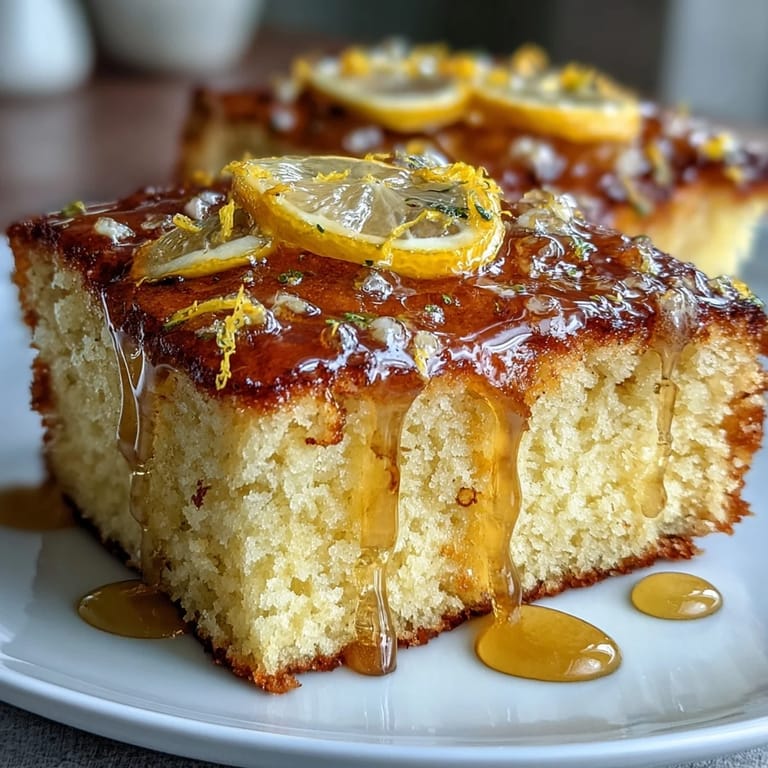
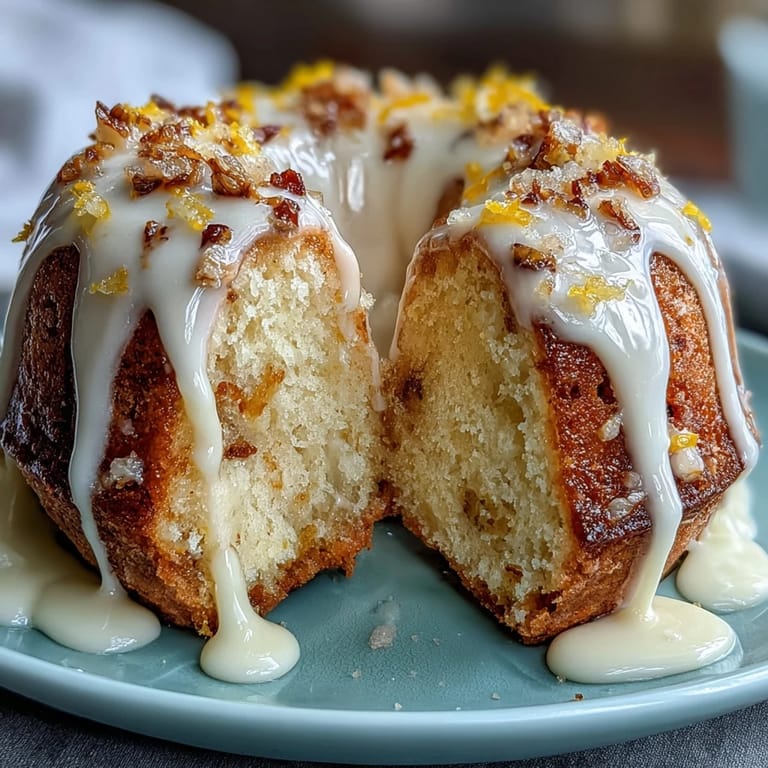
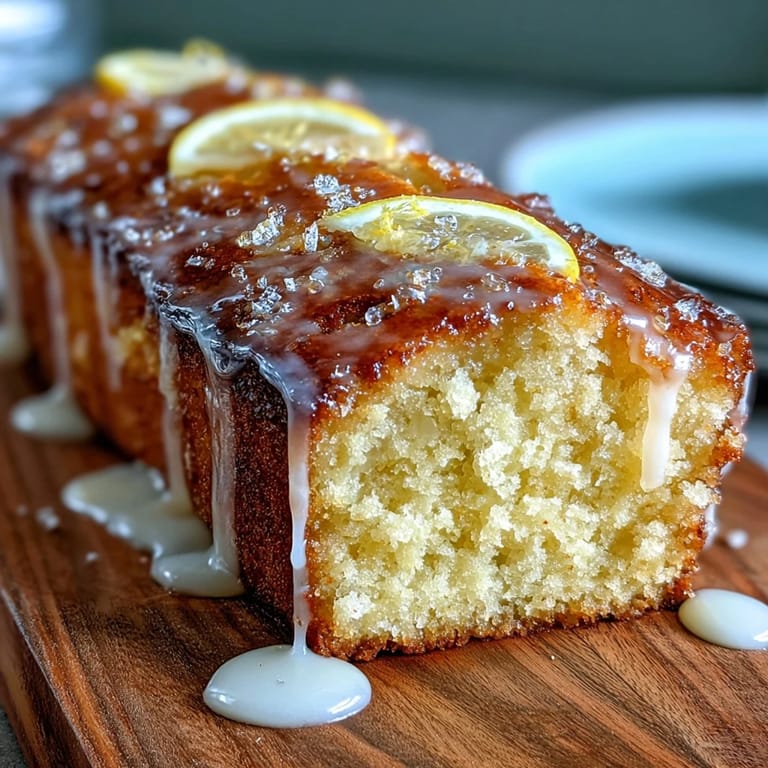
- Whisk powdered sugar with lemon juice and optional limoncello until you reach a consistency that drips slowly from a spoon, then pour it over the cooled cake and scatter lemon zest on top while it's still wet.
 Save to Pins
 There's something almost magical about how this cake brings people together, especially on those first warm days of spring when everyone's desperate for something bright and refreshing. It's become my signal that winter is officially over and it's time to celebrate the season.
The Limoncello Question
People always worry that the alcohol flavor will be too strong, but the truth is that limoncello bakes off in the oven, leaving behind this sophisticated, almost floral lemon note that tastes way more complex than if you'd just used lemon juice alone. The liqueur also adds a slight sweetness and richness that straight juice can't deliver, which is why it's so crucial to use the real thing rather than trying to substitute with extracted lemon oil or additional juice.
Texture and Moisture
Pound cake gets a bad reputation for being dry, but this version stays moist for days because of the generous sugar amount, the milk, and the limoncello—it's almost like you've built in natural moisture insurance. I've kept slices in an airtight container for a week and they haven't dried out, which makes this cake perfect for baking ahead or bringing to events.
Serving Suggestions and Storage
This cake is stunning on its own, but a dollop of whipped cream or a handful of fresh berries alongside it makes it feel like a full dessert course. It also pairs beautifully with tea or espresso, and I've found that chilling a slice for 30 minutes before serving makes the glaze set nicely and the flavors feel even more pronounced.
- Store in an airtight container at room temperature for up to 5 days, or wrap tightly and freeze for up to 3 months.
- If you want extra limoncello impact, brush the warm baked cake with 2 tbsp of liqueur right after it comes out of the oven before it cools completely.
- For a twist, substitute orange liqueur and zest, or even try a combination of both for something unexpected and delicious.
 Save to Pins
 This cake has become my signature dessert, the one people request when they're hosting a gathering or celebrating something special. There's real joy in knowing that something so elegant and impressive comes from such thoughtful, simple ingredients.
Questions & Answers
- → How do I prevent the cake from drying out?
Ensure not to overbake; check with a toothpick around 50 minutes. Using room temperature ingredients helps maintain moisture.
- → Can I use other citrus liqueurs instead of limoncello?
Yes, orange liqueur can be substituted along with matching zest for a different citrus twist.
- → What’s the best way to apply the lemon glaze?
Drizzle the glaze over the cooled cake evenly using a spoon or small whisk, allowing it to set before slicing.
- → Is it necessary to let the cake cool before glazing?
Yes, cooling ensures the glaze doesn’t melt off and helps it set properly on the cake surface.
- → Can I make this cake ahead of time?
Absolutely, it can be baked a day prior and stored covered at room temperature for best freshness.