 Save to Pins
 There's a particular quiet that settles over a kitchen at 10 p.m., and that's when I discovered golden milk wasn't just a trendy wellness drink but a genuine comfort. My grandmother mentioned it casually while we were tidying up after dinner, describing how her mother used to simmer turmeric and ginger into warm milk on cold evenings. I was skeptical at first, honestly, but one restless night I decided to try it, and something about the ritual of warming the spices and watching them bloom in the milk shifted my entire mood. Now it's become my invisible companion through late-night work sessions and quiet Sunday mornings.
I made this for a friend who was dealing with inflammation from an old injury, and watching their face light up at that first sip told me everything. They came back the next week asking if I could teach them, and now we have this unspoken tradition where we'll text each other on particularly demanding days with just a turmeric emoji. That's when I realized this drink had become a small language between us, a way of saying 'I'm thinking of you and your wellbeing.'
Ingredients
- Milk base (2 cups whole, almond, coconut, or oat milk): The foundation matters more than you'd think; whole milk creates a naturally creamy mouthfeel, but almond milk brings a subtle sweetness that pairs beautifully with the spices if that's your preference.
- Ground turmeric (1 tsp): This is where the magic happens, but the flavor can taste earthy or even slightly bitter if you overdo it, so measuring matters here.
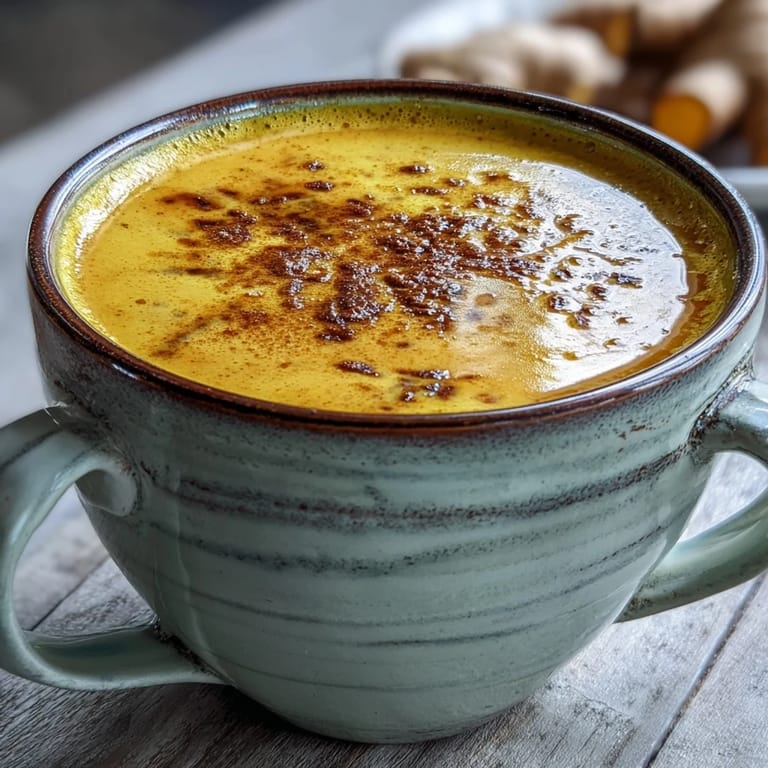
- Ground ginger (1/2 tsp dried or 1-inch fresh, sliced): Fresh ginger adds a brighter, sharper note that feels more lively, while ground ginger is warmer and more integrated into the milk.
- Ground cinnamon (1/4 tsp): This brings natural sweetness without any sugar, and it deepens the warmth of the whole drink in a way that feels almost cozy.
- Ground black pepper (1/8 tsp): Don't skip this; it's the secret that helps your body actually absorb the turmeric's benefits, and it adds a barely-there pepper tingle at the end.
- Ground cardamom (pinch, optional): This is my move when I want to elevate things, adding a floral, almost mysterious note that makes people ask what that incredible flavor is.
- Honey or maple syrup (1-2 tsp to taste): Use honey if you want a more traditional flavor, or maple syrup for something slightly earthier and vegan-friendly.
- Coconut oil or ghee (1 tsp, optional): A tiny drizzle adds richness and helps your body absorb the fat-soluble spices even better.
- Vanilla extract (1/2 tsp, optional): This one's subtle but worth it; it rounds out all the spices and adds a layer of sophistication.
Tired of Takeout? 🥡
Get 10 meals you can make faster than delivery arrives. Seriously.
One email. No spam. Unsubscribe anytime.
Instructions
- Gather and measure everything:
- I always lay out my spices before I start so I'm not fumbling around once the milk is heating. It takes 30 seconds and makes the whole process feel smooth.
- Combine milk and spices in your saucepan:
- Pour your milk in first, then add turmeric, ginger, cinnamon, black pepper, and cardamom if you're using it. Don't worry if it looks a bit yellow and separated right now.
- Whisk and heat gently:
- Use a whisk to break up any turmeric clumps and stir everything together, then place the saucepan over medium-low heat. Watch it carefully as the milk warms; you want it to steam and get tiny bubbles around the edges (5-7 minutes), but never let it actually boil or you'll lose some of the delicate spice flavors.
- Taste and sweeten:
- Remove from heat, then stir in your honey or maple syrup, coconut oil if using, and vanilla. Taste it here because this is your moment to adjust the sweetness or spice level to exactly what you want.
- Strain if needed:
- If you used fresh ginger slices, pour the whole mixture through a fine mesh sieve into your mugs, catching any bits. If you used ground ginger, you can skip this step.
- Serve and breathe:
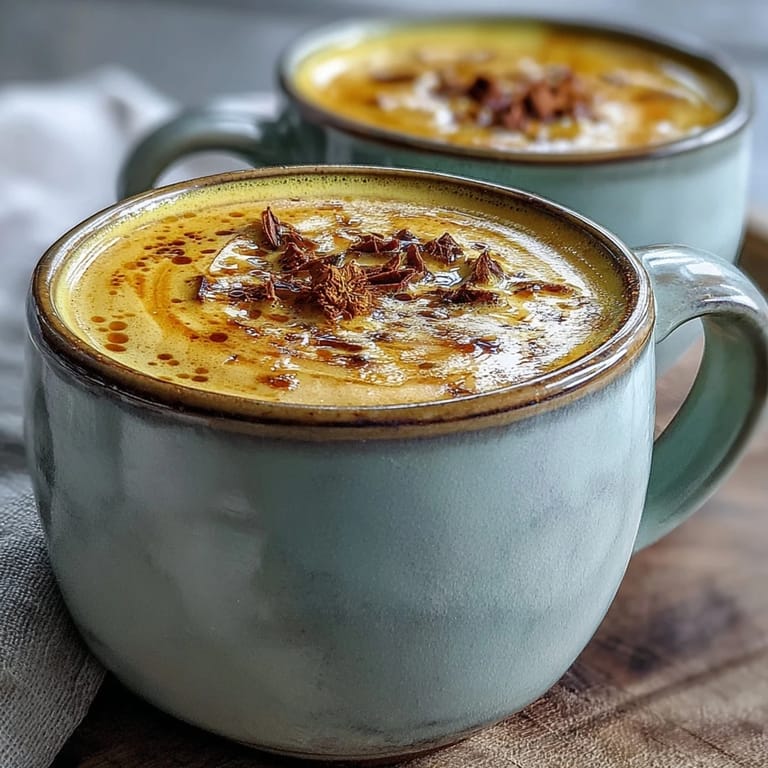
- Pour into your favorite mug and pause for a moment to breathe in the aroma before you take that first sip.
 Save to Pins
 My mother-in-law called me during a particularly stressful week and we ended up on the phone for two hours while we both made golden milk in our separate kitchens, thousands of miles apart. There was something about that simultaneous warming of milk and spices that felt like we were sitting together, and it became our thing whenever we needed to reconnect. That's when I understood this recipe as more than nutrition or wellness; it's permission to slow down and show up for yourself.
The Science of Warmth
Turmeric and ginger have been used in Ayurvedic medicine for thousands of years, and modern research has started catching up to what people have known all along. The warm spices in this drink activate digestive fire and help your body process and absorb nutrients more effectively. There's also something genuinely calming about the ritual of warming milk with your hands wrapped around the mug afterward, which science confirms reduces cortisol and actual stress levels.
Choosing Your Milk
I used to think whole milk was the only option, but I've learned that each milk brings its own personality to this drink. Whole milk is richest and creamiest, almond milk adds a delicate nuttiness, coconut milk brings tropical thickness and flavor, and oat milk somehow makes everything taste even warmer and more comforting. My advice is to experiment with what feels right for you in that moment, because there's no wrong answer here.
Variations and Moments
I've made this drink exactly the same way a hundred times, and I've also created wildly different versions depending on what I had on hand or how I was feeling. On mornings when I need grounding, I add an extra pinch of nutmeg and use fresh ginger for brightness. On evenings when I want to drift toward sleep, I skip the vanilla and add a tiny drop of almond extract instead. There's freedom in this recipe once you understand how the pieces work together.
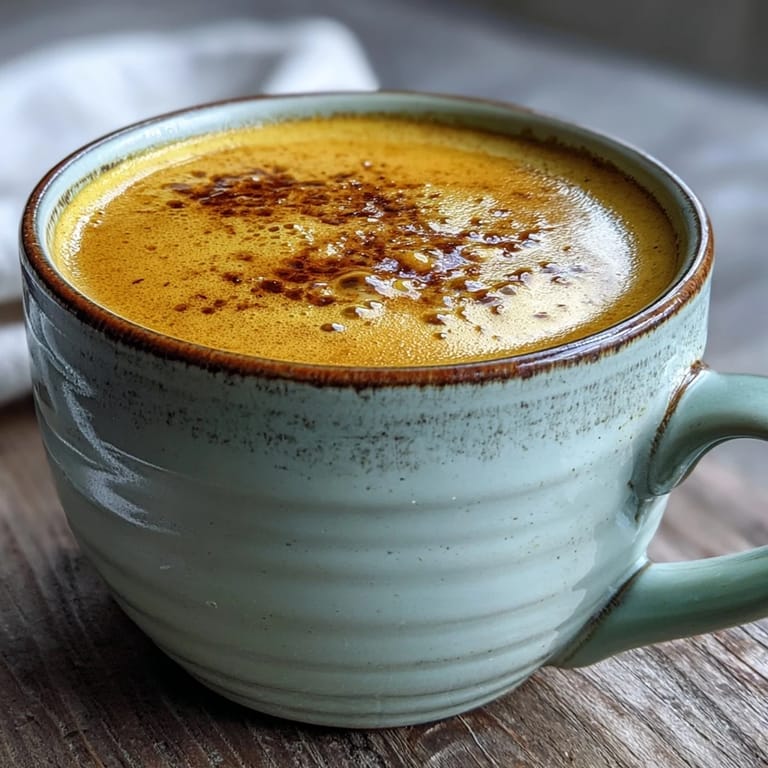
- For a frothy, latte-like texture, blend the finished drink briefly in a blender right before serving, which adds aeration and makes it feel more luxurious.
- If you make a big batch, store it in the refrigerator for up to 3 days and gently reheat what you need without boiling it again.
- Add a pinch of sea salt to bring out all the spice flavors, which sounds strange but makes an enormous difference in the overall brightness.
 Save to Pins
 This golden milk has become my small ritual that says 'I deserve this moment of gentleness,' and I hope it becomes yours too. Make it, share it, adjust it until it's exactly what you need.
Questions & Answers
- → What makes golden milk healthy?
Turmeric contains curcumin, a compound with powerful anti-inflammatory and antioxidant properties. Black pepper significantly enhances curcumin absorption by up to 2000%, while ginger adds additional anti-inflammatory compounds and aids digestion.
- → Can I make golden milk with plant-based milk?
Absolutely. Unsweetened almond, coconut, or oat milk work beautifully. Coconut milk creates a richer, creamier texture, while almond milk remains lighter. oat milk provides a naturally creamy consistency similar to dairy milk.
- → Why is black pepper included in golden milk?
Black pepper contains piperine, a compound that enhances curcumin absorption from turmeric by up to 2000%. Without it, your body absorbs significantly less of turmeric beneficial compounds. The pinch required won't make your drink spicy.
- → How long does homemade golden milk keep?
Freshly prepared golden milk is best enjoyed immediately while warm and frothy. However, you can store leftovers in an airtight container in the refrigerator for up to 2 days. Reheat gently on the stove, whisking to combine any separated ingredients.
- → Can I use fresh ginger instead of ground?
Fresh ginger works wonderfully and provides a brighter, more vibrant flavor. Use 1-inch peeled and sliced fresh ginger root instead of 1/2 teaspoon ground. Remember to strain the milk through a fine mesh sieve before serving to remove ginger pieces.
- → What can I use instead of honey for sweetener?
Maple syrup creates a lovely depth of flavor and keeps the drink vegan-friendly. Coconut sugar or date syrup work as natural alternatives. For a sugar-free option, stevia or monk fruit sweetener can be used to taste without affecting the flavor profile.