 Save to Pins
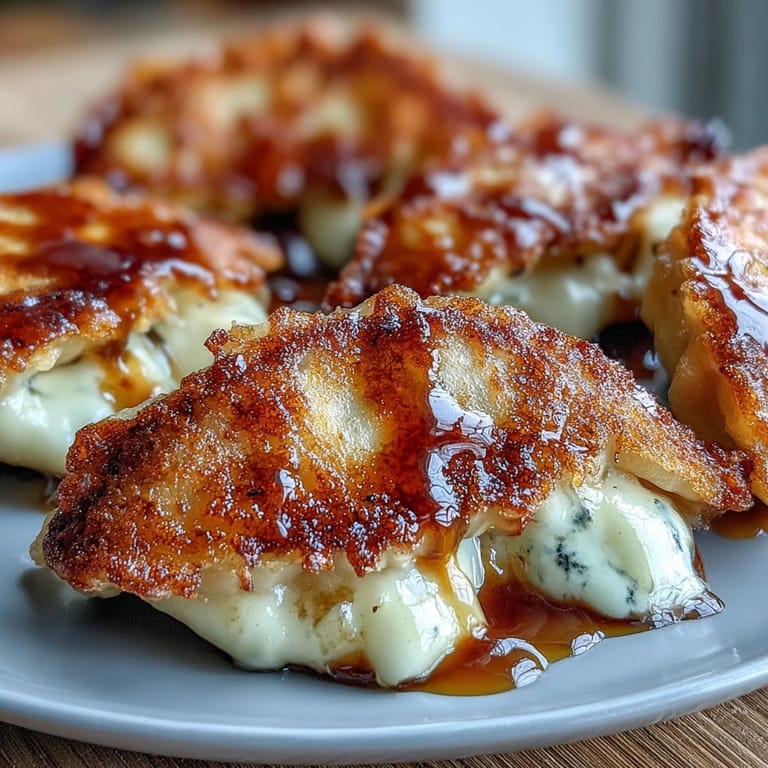
 The first bite of imomochi I ever had was at a small izakaya in Sapporo, where the server placed a sizzling plate in front of me without much fanfare. I watched the cheese ooze out as I cut into the golden dumpling, and the combination of crispy exterior and soft, stretchy inside made me forget about everything else on the table. When I got home, I spent weeks trying to recreate that texture, that perfect chew. This recipe is the result of all those trials, and now it's one of those things I make when I want comfort without much fuss.
I made these for a potluck once, and they disappeared so fast I barely got one for myself. A friend who claimed she didn't like mochi changed her mind after trying these, mostly because the potato base is softer and less intimidating than traditional rice mochi. Since then, I've made them for game nights, lazy Sundays, and even as a side dish when I'm craving something a little different. They're versatile enough to feel special but easy enough to make on a whim.
Ingredients
- Russet potatoes: Their high starch content creates the perfect chewy texture, so don't swap them for waxy varieties or you'll end up with gummy dough.
- Potato starch: This is what gives imomochi that signature stretch and chew, though cornstarch works in a pinch if that's all you have.
- Unsalted butter: Adds richness and helps the dough come together smoothly while the potatoes are still warm.
- Mozzarella cheese: Melts beautifully and stretches when you bite in, but feel free to use cheddar or gouda if you want a sharper, deeper flavor.
- Soy sauce: The salty backbone of the glaze, balancing out the sweetness from the honey.
- Honey: Creates a sticky, caramelized coating that clings to each dumpling as it cooks.
- Mirin: Adds a subtle sweetness and depth that regular sugar just can't replicate.
- Rice vinegar: A tiny splash brightens the whole glaze and keeps it from feeling too heavy.
Tired of Takeout? 🥡
Get 10 meals you can make faster than delivery arrives. Seriously.
One email. No spam. Unsubscribe anytime.
Instructions
- Boil the Potatoes:
- Drop the chopped potatoes into a pot of salted boiling water and cook until a fork slides through them effortlessly, usually around 12 to 15 minutes. Drain them well so you don't end up with watery dough.
- Mash and Season:
- Mash the potatoes until completely smooth, then stir in the butter and salt while they're still steaming hot. The heat helps everything meld together into a creamy base.
- Form the Dough:
- Add the potato starch and knead gently until you have a soft, slightly sticky dough that holds its shape. If it's too tacky, sprinkle in a bit more starch, but don't overdo it or the texture will turn dense.
- Shape and Fill:
- Divide the dough into 8 equal pieces, flatten each into a disc, and tuck a cube of cheese in the center. Pinch the edges to seal it completely, rolling it into a smooth ball so the cheese doesn't escape during cooking.
- Pan-Fry Until Golden:
- Heat the oil in a nonstick skillet over medium heat and add the dumplings, turning them every couple of minutes until all sides are crispy and golden brown. This takes about 6 to 8 minutes, and patience here is key for that perfect crust.
- Glaze and Serve:
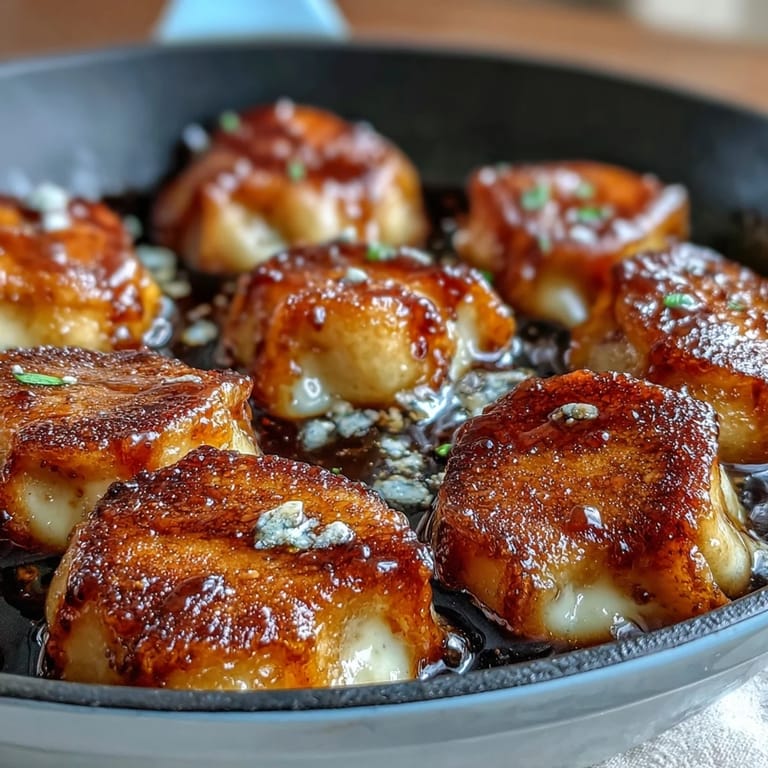
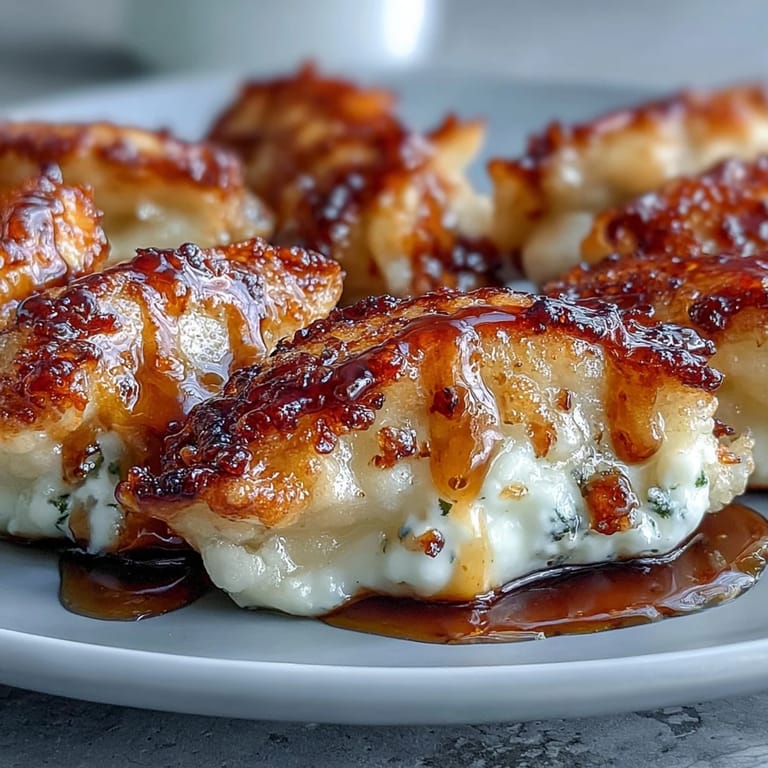
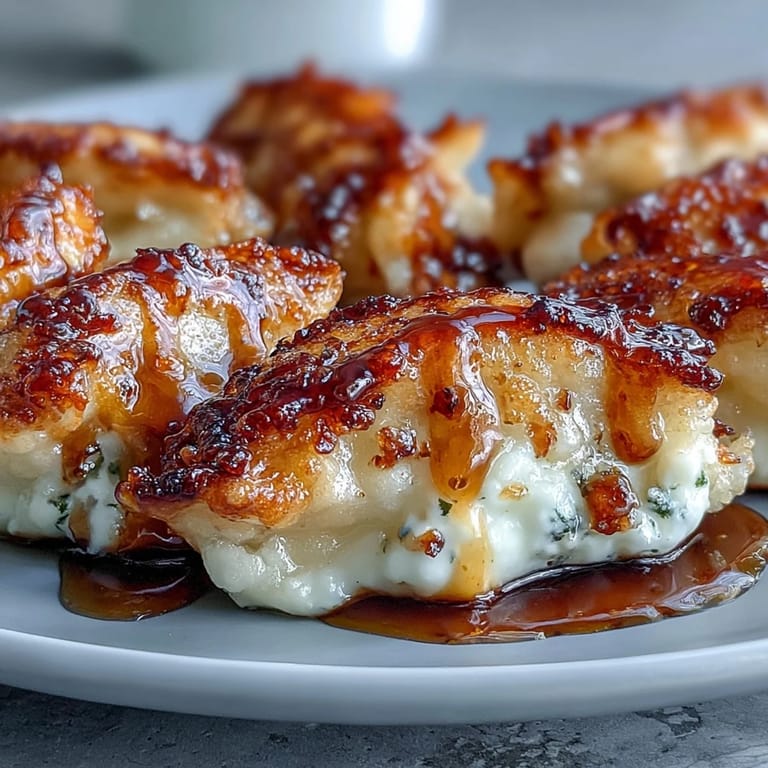
- Mix the soy sauce, honey, mirin, and rice vinegar, then pour it into the skillet with the dumplings. Toss gently and cook for another minute or two until the sauce thickens and coats each piece in a glossy, sticky layer.
 Save to Pins
  Save to Pins
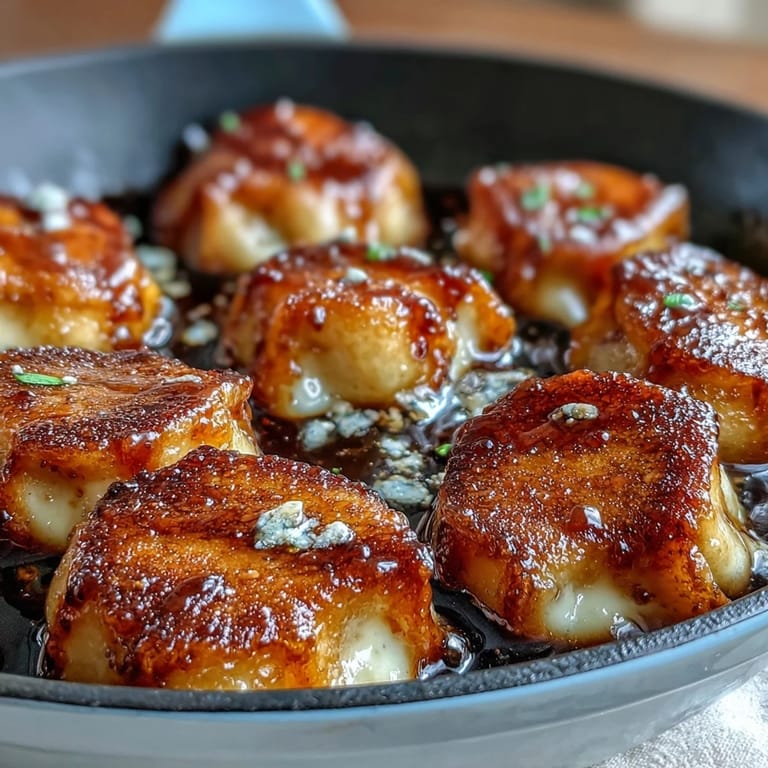
 There's something quietly satisfying about watching the glaze bubble and cling to each dumpling as it finishes cooking. The kitchen smells like caramelized soy and butter, and if you're lucky enough to snag one right off the pan, the cheese pulls in long, melty strings. It's one of those recipes that makes you feel like you've accomplished something even though it's not complicated at all.
Choosing Your Cheese
Mozzarella is classic because of how it melts and stretches, but I've used sharp cheddar when I wanted something with more bite, and gouda when I was feeling fancy. Each cheese changes the flavor profile slightly, so it's worth experimenting based on what you have or what sounds good that day. Just make sure whatever you use melts well, or you'll miss out on that gooey center that makes these so fun to eat.
Making It Ahead
You can shape the dumplings and refrigerate them for a few hours before frying, which is helpful if you're prepping for guests. I've even frozen them on a tray and then transferred them to a bag, frying them straight from frozen with just a couple extra minutes in the pan. The glaze is best made fresh, but if you have leftovers, a quick reheat in the skillet brings them back to life without losing too much texture.
Serving Suggestions
These are perfect on their own as a snack, but I've also served them alongside a simple cucumber salad or as part of a larger Japanese-inspired spread. A sprinkle of sliced scallions or toasted sesame seeds on top adds a nice finishing touch without requiring extra effort. Sometimes I'll make a double batch and keep half plain, adding different glazes or dipping sauces just to switch things up.
- Try a spicy mayo drizzle if you want a creamy, tangy contrast to the sweet glaze.
- Serve with pickled vegetables to cut through the richness and add a bright, crunchy element.
- Pair with a light miso soup for a more complete meal that still feels casual and comforting.
 Save to Pins
  Save to Pins
 Once you get the hang of shaping and sealing these, they become one of those go-to recipes you can make without thinking too hard. They're comforting, a little indulgent, and always worth the minimal effort.
Questions & Answers
- → Can I use a different type of cheese?
Yes, cheddar or gouda work wonderfully for a richer, sharper flavor. Any melting cheese will work well in this preparation.
- → What if I don't have potato starch?
Cornstarch is an excellent substitute and works just as well to bind the mochi dough and create the proper chewy texture.
- → How do I prevent the cheese from leaking out?
Make sure to seal the dough completely around the cheese cube, pinching firmly. Keep the heat at medium to allow gradual cooking without bursting.
- → Can these be made ahead of time?
Yes, form the dumplings and refrigerate for up to 24 hours before frying. You can also freeze them uncooked for up to 1 month.
- → Is there a vegan version?
Absolutely. Use plant-based butter and vegan cheese alternatives. The texture and flavor remain delicious with these simple substitutions.
- → What should I serve these with?
They're perfect on their own as a snack, but also pair beautifully with fresh salad, pickled vegetables, or as part of a Japanese-inspired appetizer platter.