 Save to Pins
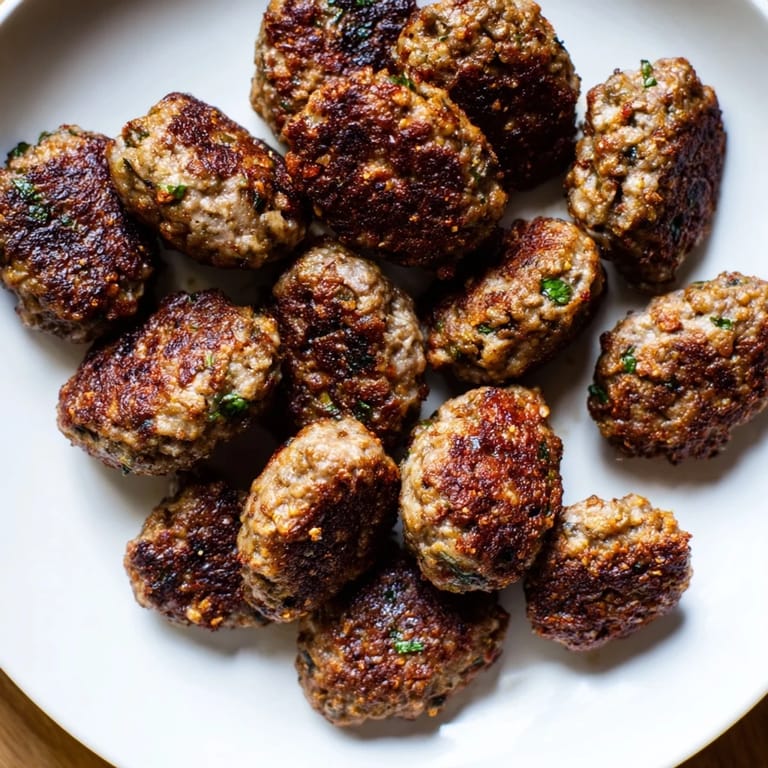
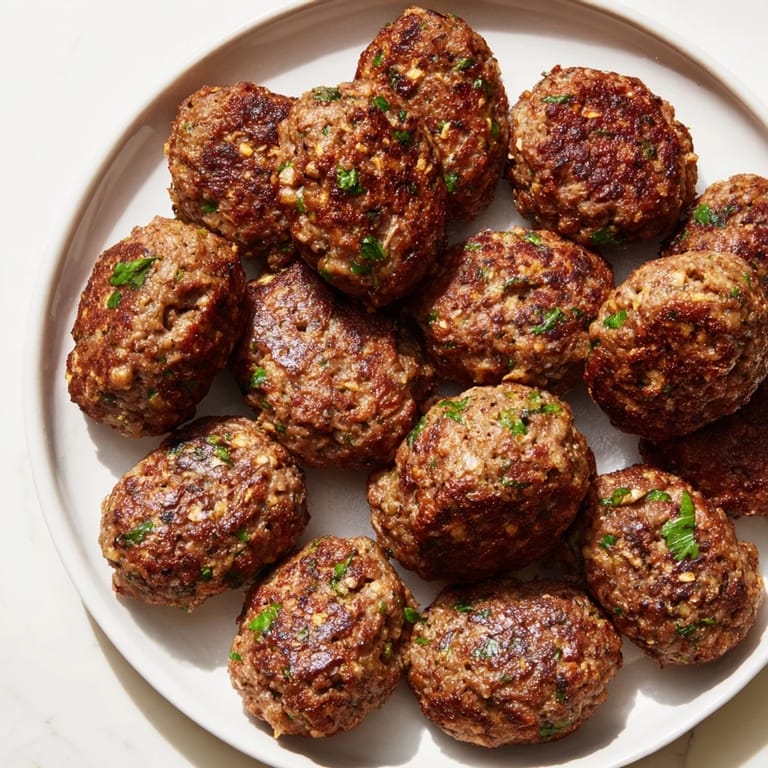
 There's a moment in every cook's life when they taste something that changes how they think about ground meat. For me, it was biting into a Turkish köfte at a tiny neighborhood restaurant, the exterior crackling between my teeth while the inside stayed impossibly juicy and fragrant with herbs I couldn't quite name. Months later, I finally understood the secret: bulgur softened with water, fresh mint and parsley, and the discipline to not overmix. Now these meatballs appear on my table whenever I want that perfect balance of crispy and tender, the kind of food that makes everyone at the table go quiet for a moment.
I made these for a dinner party once when I was feeling both confident and slightly reckless about cooking without a recipe. My friend Sarah kept wandering into the kitchen drawn by the aroma of cumin and mint, and by the time they hit the pan she was already asking for the recipe before even tasting them. That's when I knew I'd figured something out worth keeping.
Ingredients
- Ground beef or lamb (500 g): A mix of both is wonderful if you have it, but either works beautifully. Lamb brings more flavor, beef is more neutral—choose what speaks to you.
- Fine bulgur (100 g): This is the magic ingredient that keeps everything tender. Don't skip it, and make sure it's fine bulgur, not the coarser kind.
- Small onion, finely grated (1): Grating instead of chopping releases more juice and flavor, which means better distribution throughout the meat.
- Garlic cloves, minced (2): Fresh garlic makes a real difference here—the kind you can smell on your fingers afterward.
- Fresh parsley, finely chopped (2 tbsp): This is the backbone of the flavor profile, so don't substitute with dried if you can help it.
- Fresh mint, finely chopped (1 tbsp): Dried mint works in a pinch (use 1 tsp), but fresh mint adds a brightness that dried can't quite capture.
- Ground cumin (1 tsp): This warm spice ties everything together and tastes authentically Turkish without being heavy-handed.
- Paprika (1 tsp): Sweet paprika gives color and a gentle warmth, not heat.
- Ground black pepper (1/2 tsp): Freshly cracked tastes better here than pre-ground, if you have a grinder.
- Chili flakes, optional (1/2 tsp): Only add if you like a little warmth; these meatballs don't need heat to be delicious.
- Salt (1 tsp): Taste as you mix and adjust—salt brings out all the herb flavors.
- Large egg (1): This binds everything together so the meatballs hold their shape without falling apart during cooking.
- Olive oil (2-3 tbsp for pan-frying, or spray for grilling): Good quality olive oil makes a real difference in the final flavor.
Tired of Takeout? 🥡
Get 10 meals you can make faster than delivery arrives. Seriously.
One email. No spam. Unsubscribe anytime.
Instructions
- Bloom the bulgur:
- Pour 3 tbsp of warm water over your bulgur in a bowl and let it sit for 10 minutes. You'll watch it soak up the water and become tender—this is where the meatballs' secret sauce begins.
- Combine everything:
- Add the meat, grated onion, minced garlic, chopped herbs, all the spices, salt, and egg to the softened bulgur. This is where clean hands become your best tool.
- Mix with intention:
- Combine everything with your hands until you feel the mixture come together into something slightly sticky and cohesive. Don't overmix or the meatballs will become tough and dense instead of light and tender.
- Shape with damp hands:
- Wet your hands with cool water before shaping each meatball into an oval or round about the size of a walnut. The water keeps the mixture from sticking to your palms and makes the job almost meditative.
- Pan-fry for crispness:
- Heat olive oil in a large skillet over medium heat, then add meatballs in a single layer without crowding. Fry for 3-4 minutes per side until golden brown and cooked through, working in batches if needed.
- Grill for char:
- Preheat your grill to medium-high and lightly oil the grates or use oil spray. Grill meatballs for 3-4 minutes per side until they develop a nice charred exterior and feel cooked through when you press one gently.
- Serve while warm:
- Transfer to a serving platter and serve immediately with rice, flatbread, or a fresh salad while they're still warm and the exterior is still slightly crispy.
 Save to Pins
 These meatballs became my secret weapon for convincing people that home cooking beats takeout every single time. The moment someone bites into one and realizes how juicy it is inside while the outside has that perfect crispness, something shifts in the conversation.
Why These Taste Like Memory
Turkish meatballs carry a specific kind of flavor memory—they're aromatic and herbaceous in a way that reads as both homey and somehow exotic. The bulgur keeps everything tender while the herbs and spices make the meat taste more interesting than it has any right to, and that combination stays with you. When you serve these, you're not just serving dinner, you're offering something that tastes like someone knew what they were doing in the kitchen.
The Perfect Sides to Serve With Them
These meatballs are endlessly flexible about what they want to sit next to. A fluffy pilaf soaks up all the flavors, warm flatbread becomes the perfect vehicle for wrapping them, or a simple tomato and cucumber salad with lemon vinaigrette cuts through the richness. I've also served them over yogurt sauce and watched people absolutely lose their minds over the combination of cool and warm, tangy and savory.
Making Them Ahead and Freezing
Shape the meatballs with damp hands, freeze them on a tray until solid, then transfer to a freezer bag where they'll keep for up to three months. When you're ready to cook, you don't even need to thaw them—just add a minute or so to the cooking time and they'll cook through evenly. This makes weeknight dinner feel like less of a production and more like something you planned brilliantly weeks ago.
- Freezing raw meatballs takes the pressure off busy weeknights and lets you be the kind of person who always has something impressive ready to cook.
- Pan-frying from frozen works slightly better than grilling, since the oil helps them cook evenly on the outside while the inside thaws.
- Prep them when you have time, cook them when you're hungry—that's the whole point.
 Save to Pins
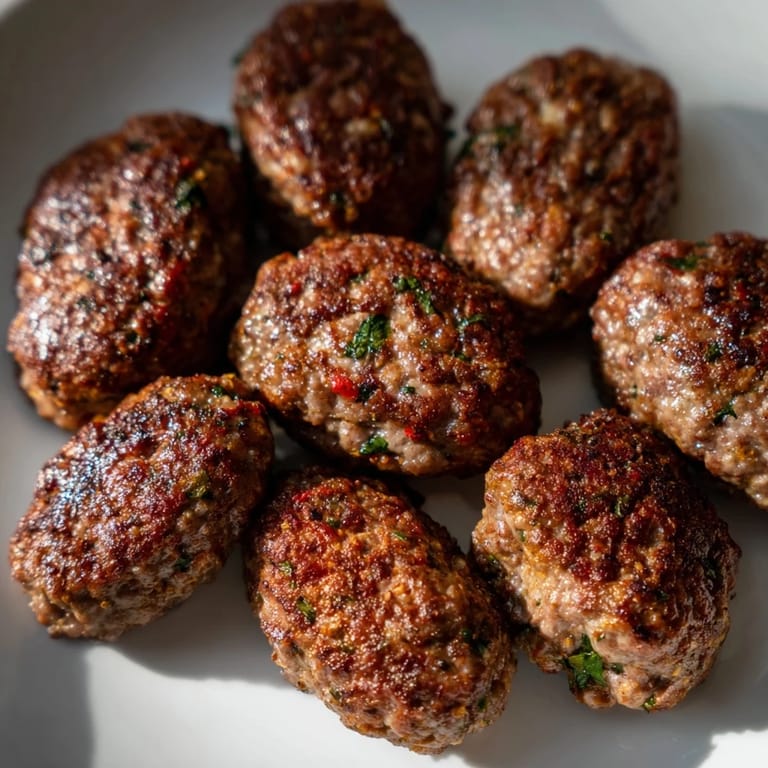
 These Turkish köfte are the kind of recipe that rewards you immediately and keeps rewarding you every time you make them. Once you understand how they come together, you'll find yourself making them again and again.
Questions & Answers
- → What is bulgur's role in Turkish köfte?
Bulgur helps bind the mixture and provides a subtle nutty texture while keeping the köfte moist and tender.
- → Can ground lamb be substituted with beef?
Yes, ground beef or a mix of beef and lamb can be used depending on preference, maintaining rich flavor and juiciness.
- → What herbs enhance the flavor of köfte?
Fresh parsley and mint add refreshing, aromatic notes that balance the spices and meat richness.
- → Is grilling or pan-frying better for texture?
Grilling imparts a smoky charred exterior, while pan-frying creates a golden, crisp crust; both methods yield delicious results.
- → How to prevent köfte from falling apart during cooking?
Properly soaking bulgur and thorough mixing with an egg help the mixture bind well, ensuring meatballs hold shape when cooked.