 Save to Pins
 There's something almost meditative about the sizzle of shrimp hitting a hot wok, that sharp sound that makes you stand up straight in the kitchen. I stumbled into this stir-fry late one Tuesday evening when I had ten ingredients scattered across my counter and exactly twenty minutes before hunger won. What started as an improvisation became my go-to weeknight anchor, the kind of meal that tastes like you actually know what you're doing, even when you're just throwing things together with good timing.
I made this for my sister on a random Sunday afternoon, and she kept circling back to the stove asking what smelled so good. Watching her scoop up another forkful of shrimp and vegetables, completely surprised that cauliflower rice could taste this way, reminded me why cooking matters. It wasn't fancy, just honest food that somehow felt like a gift.
Ingredients
- Large shrimp, peeled and deveined (1 lb): Buy them this way if your budget allows, because deveining yourself is tedious and your fingers will smell like the ocean for hours afterward.
- Red and yellow bell peppers, thinly sliced (1 of each): The color isn't just pretty, it matters for flavor—yellow peppers are sweeter, red ones more mellow, and together they balance the savory sauce.
- Sugar snap peas (1 cup): These stay crisp if you don't overcook them, which is the whole point of a stir-fry.
- Broccoli florets (1 cup): Cut them small so they actually cook through in the short time your vegetables spend in the pan.
- Carrots, julienned (2 medium): Julienne means thin matchsticks, not chunks—they'll cook evenly and add a subtle sweetness.
- Green onions, sliced (3), plus extra for garnish: Some go in during cooking for flavor depth, some scatter on top for fresh brightness.
- Garlic and ginger, minced and grated (2 cloves and 1-inch piece): These two are the aromatic backbone—don't skip them and don't buy pre-minced, the flavor difference is real.
- Low-sodium soy sauce or tamari (3 tbsp): Tamari works beautifully for gluten-free diets and tastes just as authentic.
- Toasted sesame oil (1 tbsp): This isn't cooking oil, it's a flavor bomb—use the dark kind and respect its intensity.
- Rice vinegar (1 tbsp): The brightness cuts through richness and makes everything taste more alive.
- Honey or maple syrup (1 tbsp): A touch of sweetness balances the sauce without making it dessert-like.
- Cornstarch, optional (1 tsp): This thickens the sauce slightly so it clings to the vegetables instead of pooling at the bottom.
- Cauliflower rice (4 cups or 1 large head): Pre-riced saves time, but fresh florets pulsed in a food processor taste better and cost less.
- Olive or avocado oil (1 tbsp for rice, plus splash for vegetables): Avocado oil handles high heat better if that matters to your kitchen setup.
- Sesame seeds for garnish (1 tbsp): Optional but worth it—they add nuttiness and the meal looks finished when you sprinkle them on top.
Tired of Takeout? 🥡
Get 10 meals you can make faster than delivery arrives. Seriously.
One email. No spam. Unsubscribe anytime.
Instructions
- Pulse your cauliflower into rice:
- Cut the cauliflower into chunks and pulse them in a food processor until they look like grains of rice, which takes maybe thirty seconds of pulsing. Don't overthink it—you're aiming for texture, not uniformity.
- Get the cauliflower rice cooking:
- Heat oil in a large skillet over medium heat and add your riced cauliflower with a pinch of salt and pepper. Sauté for about four to five minutes, stirring occasionally, until it softens but still has a slight bite to it. Transfer to your bowls and cover them loosely so it stays warm while you cook everything else.
- Mix your sauce while nothing is burning:
- Whisk together soy sauce, sesame oil, rice vinegar, honey, cornstarch if you're using it, and water in a small bowl. This takes two minutes and gives you one less thing to scramble for later.
- Sear the shrimp until they pink up:
- Heat your wok or large skillet over medium-high heat until you can feel the heat radiating. Add the shrimp and let them sit for two to three minutes without moving them around too much, then flip and cook the other side. They're done when they've turned pink and opaque all the way through.
- Build flavor with aromatics:
- Push the shrimp to the side, add a splash of oil if the pan looks dry, then add your minced garlic and grated ginger. The kitchen will smell like you know what you're doing within thirty seconds. Stir it around just long enough to wake up those flavors.
- Stir-fry the vegetables to crisp-tender:
- Toss in your bell peppers, carrots, broccoli, and snap peas all at once. Keep everything moving with a spatula or wooden spoon for three to four minutes until the vegetables brighten in color but still have some crunch when you bite them.
- Bring it all together with sauce:
- Return the shrimp to the pan, pour in your sauce, and toss everything until it's coated. Cook for another minute or two until the sauce thickens slightly and everything is heated through again.
- Plate with intention:
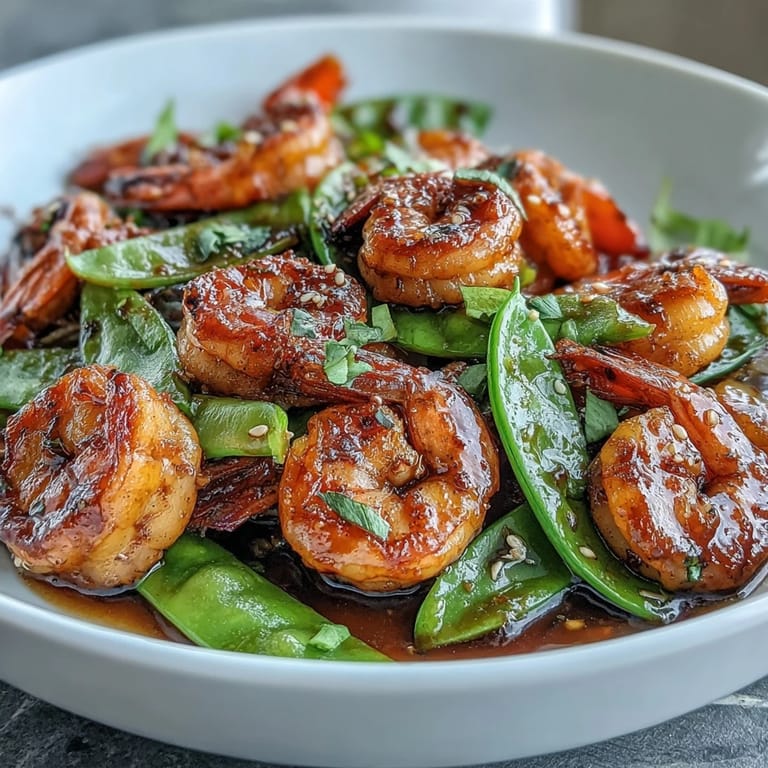
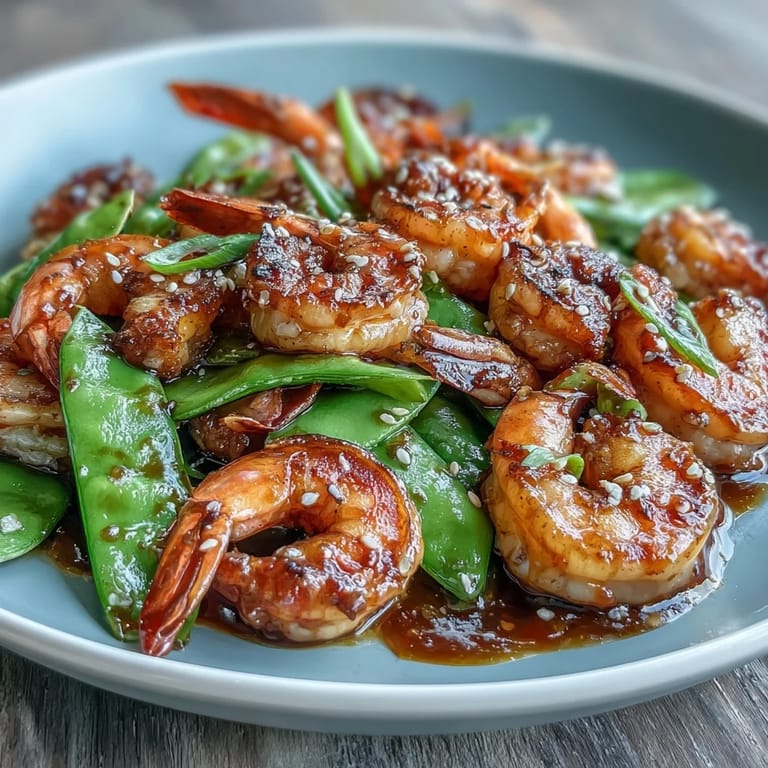
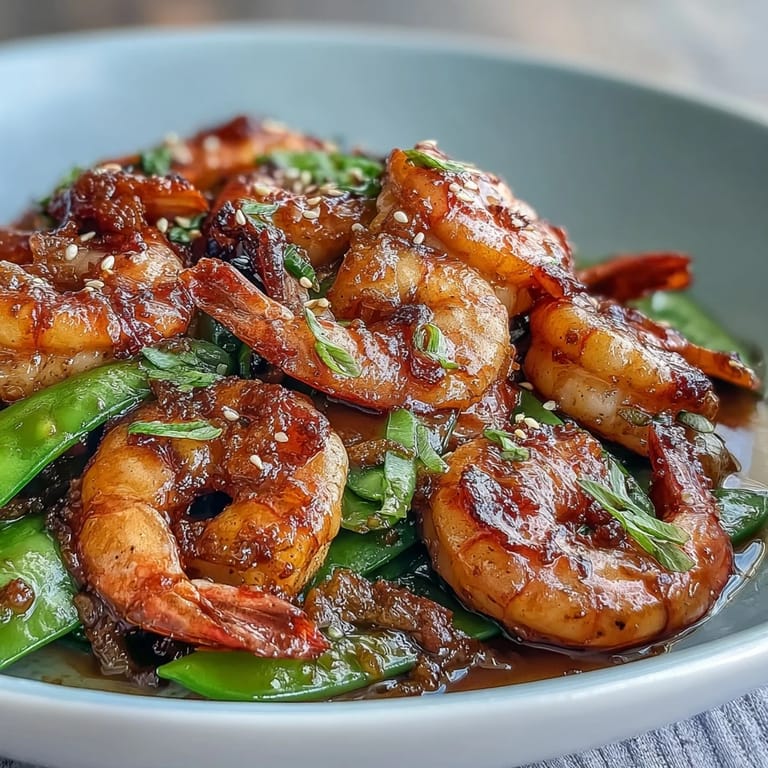
- Spoon your stir-fry over the warm cauliflower rice, scatter green onions and sesame seeds on top, and take a moment before eating to notice what you actually created in twenty minutes.
 Save to Pins
 My partner came home one evening to find me at the stove, the whole kitchen smelling like ginger and sesame, and asked if we were eating at a restaurant that night. When I handed him a bowl twenty minutes later, the way his eyes went wide made me understand why people talk about food with such devotion.
The Real Reason This Works
This stir-fry succeeds because it respects the clock but never feels rushed. The thirty-second sauté of garlic and ginger builds a flavor foundation that makes everything taste intentional. Your vegetables cook hot and fast enough to stay bright and crisp, not limp and steamed into submission.
Making It Your Own
Once you understand the structure—protein first, then aromatics, then vegetables, then sauce—you can swap almost anything into this framework. I've used chicken breast when shrimp felt too fancy, baked tofu when someone vegetarian showed up, even leftover rotisserie chicken when I needed dinner faster than fast.
Small Moments That Matter
There's something grounding about the simple rhythm of prepping vegetables and cooking dinner. The cauliflower rice softens just enough without turning mushy if you watch it. The sauce thickens in real time if you're paying attention, and that visual shift tells you everything is about to come together perfectly.
- Prep all your ingredients before you turn on any heat—this is stir-frying law, not suggestion.
- Use a wok if you have one because its shape actually helps with the tossing and coating, but a large skillet works fine if that's what you've got.
- Sesame seeds go on last so they stay nutty and don't toast into bitterness.
 Save to Pins
 This meal has become my answer to almost every weeknight question, the one I make when I want to feel competent without spending hours thinking about dinner. It's fast enough to make when you're hungry, good enough to serve to people you like, and healthy enough that you don't feel guilty reaching for seconds.
Questions & Answers
- → Can I substitute shrimp with other proteins?
Yes, chicken breast, tofu, or tempeh work well as alternatives and absorb the sauce flavors nicely.
- → How do I make cauliflower rice from fresh cauliflower?
Remove the leaves and stem, then pulse the florets in a food processor until they reach a rice-like texture.
- → What cooking oil is best for this stir-fry?
Olive oil, avocado oil, or toasted sesame oil are ideal for sautéing and stir-frying due to their flavor and heat tolerance.
- → How to achieve crisp-tender vegetables?
Cook vegetables on medium-high heat for 3-4 minutes, stirring frequently to retain their crunch.
- → Can I make this dish gluten-free?
Use tamari or coconut aminos instead of regular soy sauce to keep it gluten-free without compromising taste.