 Save to Pins
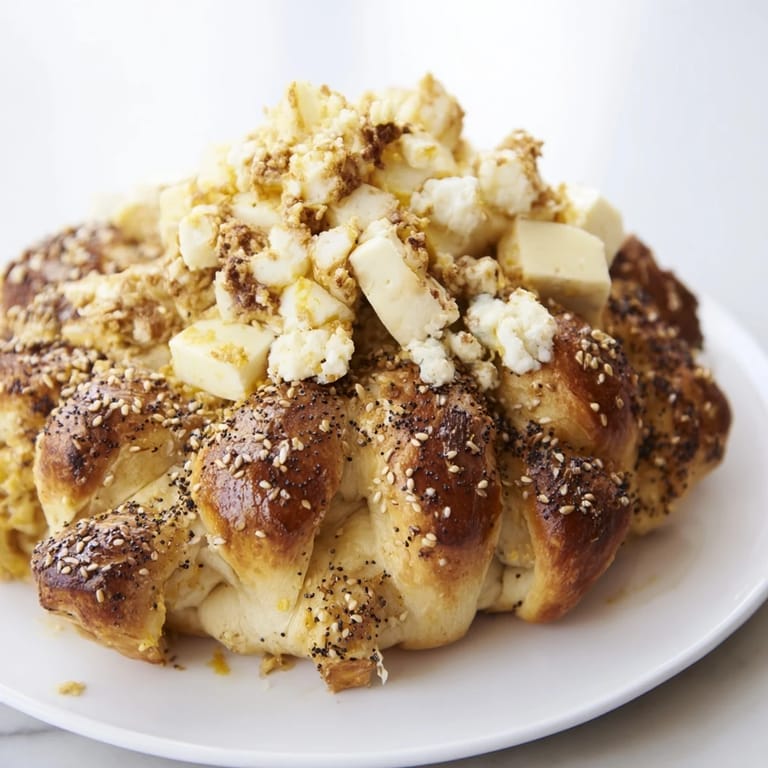
 The first time I tried to construct something beautiful entirely from scratch, I was terrified. Not of the cooking itself, but of the moment when my guests would see it and I'd realize whether it was impressive or just pretentious. That dish was this one—a gilded cage of breadsticks arching over a treasure of cheeses. What started as an anxious experiment became the thing people asked me to make again and again, not because it was complicated, but because it felt like I'd given them something I'd actually built with my hands.
I remember bringing this to a dinner party on a cold October evening, setting it down on the table and watching everyone go quiet for just a moment before they reached for it. Someone said it looked too beautiful to eat, which is ridiculous, but also exactly what I wanted to hear. By the end of the night, only crumbs remained, and someone asked for the recipe with a tone of voice that meant they actually wanted to make it themselves.
Ingredients
- All-purpose flour: The foundation that becomes those delicate, snappable sticks—don't over-knead or they'll turn tough.
- Instant dry yeast: Your quiet partner in making these rise just enough to be airy without becoming bread.
- Sugar and salt: A small pinch of each keeps the yeast happy and the flavor balanced.
- Lukewarm water and olive oil: Together they create a dough that's easy to work with and yields breadsticks with a subtle richness.
- Egg yolk: This gives those sticks their burnished, golden finish that catches the light.
- Sesame seeds: Optional, but they add a whisper of nuttiness and visual texture.
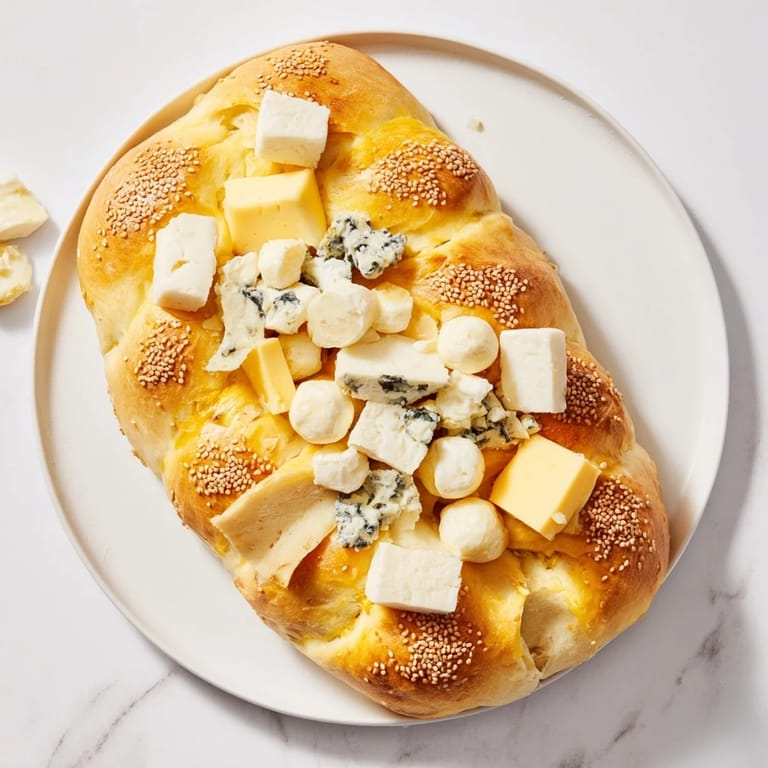
- Triple-cream Brie: The soft, luxurious anchor that melts slightly when warm breadsticks touch it.
- Aged Comté: Nutty and firm, it holds its shape and carries deep, caramel notes.
- Truffled goat cheese: This is where you let the luxury show—earthy and sophisticated.
- Blue cheese: The bold presence that prevents everything from tasting too gentle.
- Parmigiano Reggiano: Shaved thin, it adds a sharp, salty counterpoint.
- Grapes, honey, and fresh herbs: These feel like finishing touches, but they're what make guests realize this isn't just cheese.
Tired of Takeout? 🥡
Get 10 meals you can make faster than delivery arrives. Seriously.
One email. No spam. Unsubscribe anytime.
Instructions
- Mix and knead the dough:
- In a bowl, combine flour, yeast, sugar, and salt. Pour in the lukewarm water and olive oil, stirring until a shaggy dough forms. Then knead for 8 to 10 minutes—your hands will feel the moment it shifts from rough to smooth and elastic, like it's come alive under your palms.
- Let it rise:
- Cover the bowl and set it somewhere warm for 30 minutes until the dough roughly doubles. You'll be surprised how much it grows.
- Prepare your oven:
- Preheat to 200°C (390°F) and line a baking tray with parchment paper so nothing sticks.
- Shape the breadsticks:
- Divide the dough into 18 to 20 small pieces. Roll each one thin—about 3 mm thick and 25 cm long—so they bake up crisp, not chewy. Your rolling pin and your patience are friends here.
- Glaze and bake:
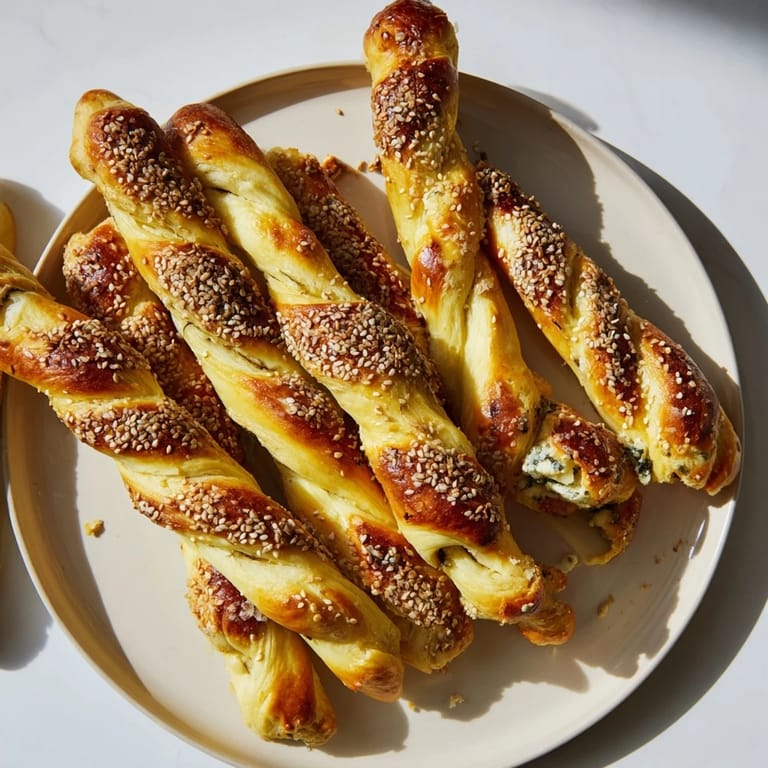
- Brush each stick lightly with egg yolk and scatter sesame seeds if you're using them. Bake for 15 to 18 minutes, turning them once halfway through, until they're golden and snap when you bend them.
- Cool completely:
- Let them rest on the tray for a few minutes, then transfer to a wire rack. They'll continue crisping as they cool, which is exactly what you want.
- Assemble the cheese mound:
- On your serving platter, pile the cheeses together—the brie, Comté, goat cheese balls, blue cheese, and Parmigiano shavings. Tuck in grapes around the base, drizzle honey over top, and scatter fresh thyme or rosemary.
- Build the cage:
- Here's where it becomes art. Carefully lean the breadsticks against and over the cheese pile, letting them rest against each other and the cheese for support. If you need stability, use a small bowl as an invisible scaffold while you build, then gently remove it. The breadsticks will lean and lean until suddenly they've formed a dome.
 Save to Pins
 There's a moment right after you step back from the finished cage when you realize you've made something that's part structure, part sculpture, part meal. It sits there golden and architectural, and no one wants to be the first to reach in and break it. That hesitation is exactly the point.
Why Breadsticks Matter Here
Homemade breadsticks have a delicate, almost translucent crispness that store-bought ones can't replicate. They're thin enough that they shatter between your teeth but sturdy enough to hold the weight of the dome. The egg wash gives them a subtle shine that makes them look intentional, like you planned every detail. That's the magic—they're not just vehicles for cheese, they're part of the presentation.
The Cheese Selection Strategy
I used to think you just threw fancy cheeses together, but there's actually a logic to it. You want soft, medium, sharp, and crumbly represented so every bite is different. The triple-cream Brie is your luxury statement. The Comté brings depth. The goat cheese with truffle is your secret flourish. The blue cheese makes sure someone has a moment of surprise. And the Parmigiano shavings act like garnish and flavor all at once. This isn't just a cheese board—it's a conversation.
Serving and Presentation
Bring this to the table whole, before anyone touches it, so they see the architecture intact. Use a serving spoon or small knife to help guests break into the cage without it collapsing everywhere. The grapes and honey should cascade out as people reach for sticks and cheese, making it feel like discovering something precious.
- Pair it with a crisp white wine or Champagne—the acidity cuts through the richness perfectly.
- If you're feeling theatrical, edible gold leaf on a few breadsticks turns this from impressive to unforgettable.
- Make this only a couple hours before serving so the breadsticks stay crisp and the cheeses don't sweat too much.
 Save to Pins
 This dish taught me that impressive food doesn't have to be complicated. It just has to be made with care and a willingness to try something a little bold. Every time I make it, someone tells me it's too pretty to eat, and every time, we eat it anyway, and it's better than it looks.
Questions & Answers
- → How do I achieve crispy breadsticks?
Knead the dough until smooth and elastic, roll thinly (3 mm thick), and bake at 200°C for 15–18 minutes until golden and crisp. Turning them partway helps even baking.
- → Which cheeses work best for the dome?
A selection of creamy and aged cheeses like triple-cream Brie, aged Comté, truffled goat cheese, blue cheese, and Parmigiano Reggiano complement each other well.
- → Can I customize the cheese selection?
Yes, consider substitutes like aged cheddar, Manchego, or Taleggio to personalize flavors and textures according to preference.
- → What’s the best way to assemble the dome?
Arrange cheeses in a mound, then carefully build the breadsticks in a dome shape over them, pressing gently for stability. Using a small bowl as a mold can help shape it.
- → Are there gluten-free options for the breadsticks?
Gluten-free flour blends can replace all-purpose flour to accommodate gluten sensitivities without compromising texture.
- → What garnishes enhance the presentation?
Optional seedless grapes, a drizzle of honey or fig jam, fresh herbs like thyme or rosemary, and even edible gold leaf add elegance and flavor contrasts.