 Save to Pins
 There's something about the way a good cocktail forces you to slow down. I was experimenting one autumn evening, leafing through old spirits bottles, when I noticed the deep burgundy shine of black currant liqueur catching the light. The rosemary on my kitchen counter had just been trimmed, and its piney scent was impossible to ignore. That combination—tart fruit, woody bourbon, bright herbal notes—felt like it belonged together, so I started mixing. The first sip was a revelation: complex, balanced, and somehow both warming and refreshing at once.
I made this for a friend who thought they didn't like herbal cocktails. They took one sip, paused, then asked for the recipe. That moment—watching someone's mind shift about what they thought they enjoyed—reminded me why I love cooking and mixing drinks in the first place. Food and drink are never just about flavor; they're about those small surprises that change your evening.
Ingredients
- Barrel-aged bourbon (2 oz): The backbone of this drink, aged bourbon brings warmth and complexity that grounds the tartness of the currants without overpowering them.
- Black currant liqueur (1 oz): Often labeled as crème de cassis, this ingredient provides the drink's signature deep color and jammy sweetness; it's worth using a quality brand if you can.
- Freshly squeezed lemon juice (0.75 oz): Fresh juice makes all the difference—bottled won't give you that bright, living edge that balances the richness.
- Simple syrup (0.5 oz): A touch of sweetness to round out the lemon's acidity, though you can adjust this to your preference.
- Rosemary sprig: This isn't garnish alone; clapping the sprig releases its oils, infusing the entire drink with a subtle herbal warmth that ties everything together.
- Black currants or lemon twist (optional garnish): Fresh black currants add a visual pop and a final tart note, while a lemon twist works beautifully if currants aren't available.
- Ice cubes: Use the coldest, clearest ice you have; it keeps the drink properly chilled without diluting it too quickly.
Tired of Takeout? 🥡
Get 10 meals you can make faster than delivery arrives. Seriously.
One email. No spam. Unsubscribe anytime.
Instructions
- Wake up the rosemary:
- Hold the rosemary sprig loosely between your palms and clap it gently a few times—you'll instantly smell its oils release, transforming it from a green stick into an aromatic tool.
- Build your shaker:
- Drop the rosemary into your cocktail shaker along with the bourbon, black currant liqueur, lemon juice, and simple syrup. The rosemary will steep briefly as you work.
- Chill with conviction:
- Fill the shaker with ice and shake vigorously for about 15 seconds until the outside feels frosty cold. This isn't the time to be gentle; vigorous shaking emulsifies the ingredients and chills the drink properly.
- Strain with care:
- Double strain through both a cocktail strainer and a fine mesh sieve into a rocks glass filled with fresh ice. This catches any rosemary fragments and ice chips, leaving you with a silky pour.
- Finish with grace:
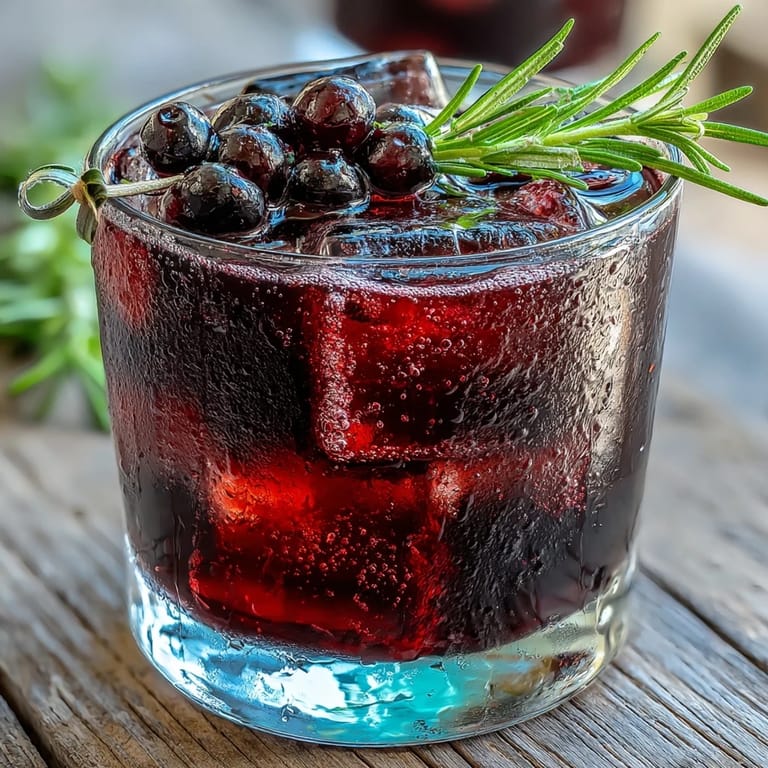
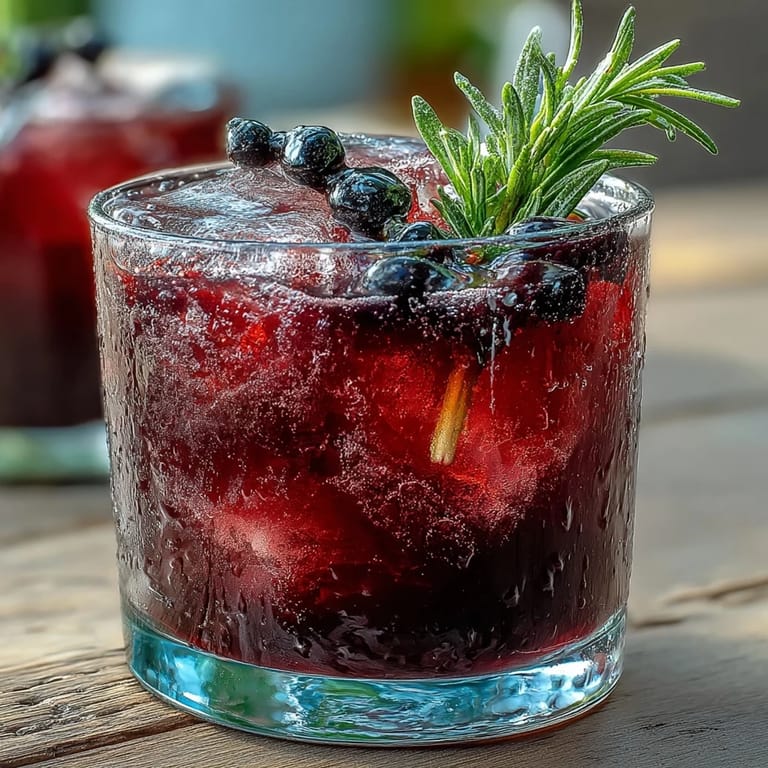
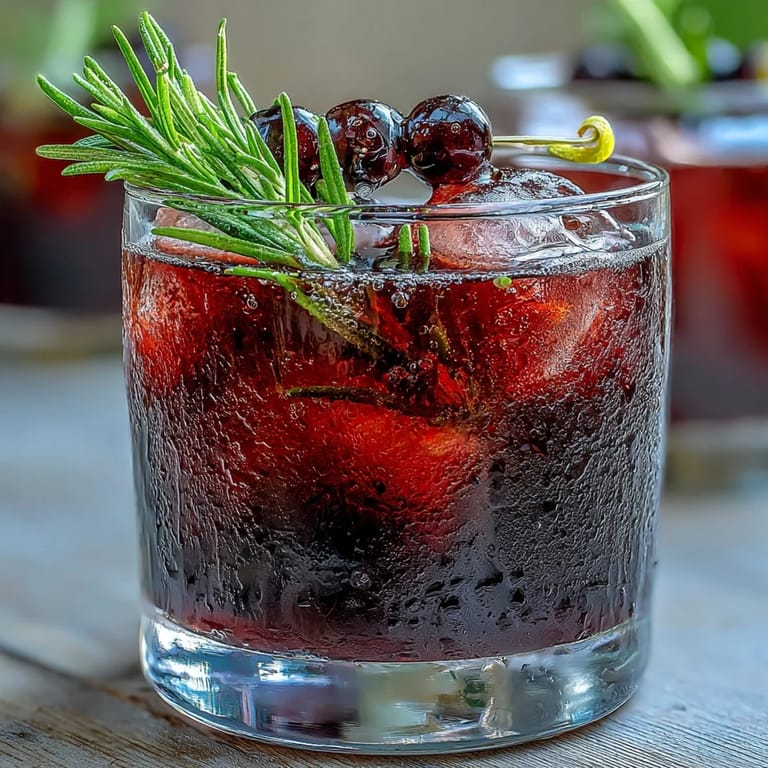
- Perch a fresh rosemary sprig on the rim and add your choice of garnish—black currants add tartness and visual drama, while a lemon twist brings brightness and aromatic citrus oil.
 Save to Pins
 There's a particular magic that happens when you hand someone a drink you've thought through and built intentionally. The rosemary sprig catches their eye before they even taste it, and that first sip becomes an experience instead of just a refresh. That's what this cocktail does.
The Story Behind Black Currant and Rosemary
Black currants have a tart, almost mysterious quality that doesn't immediately appeal to everyone, but once you taste them in the right context, they become addictive. Rosemary, traditionally paired with savory foods, brings an unexpected herbal note to cocktails that makes them feel more sophisticated. I stumbled onto this pairing by accident, but it works because both ingredients refuse to fade into the background. They announce themselves, they change the glass around them, and they leave a lasting impression.
Adjusting the Drink to Your Taste
This recipe is a blueprint, not a prison. If you find it too tart, add a touch more simple syrup or a splash of the black currant liqueur. If you want it lighter and more refreshing, top with a float of sparkling water or a hint of tonic water right before serving. Some evenings you want something you can sip over conversation; other times you want a drink that tastes like autumn in a glass. Both versions work beautifully.
Making It Without Black Currant Liqueur
Black currant liqueur can be tricky to find in some areas, and that's okay. You can build a homemade black currant syrup by simmering frozen or fresh black currants with sugar and a touch of water until syrupy, then straining and cooling it. The flavor will be slightly different—less smooth, more intensely currant-forward—but in some ways it's even more striking. Another option is to use a berry-forward liqueur like crème de framboise if you have it on hand, though you'll lose the specific tartness that makes black currant special.
- Frozen black currants work just as well as fresh and are often easier to source year-round.
- A homemade syrup keeps in the fridge for weeks, so you can make batches of this drink whenever the mood strikes.
- If you're substituting liqueurs, taste as you go and adjust the simple syrup accordingly.
 Save to Pins
 This cocktail is proof that the best drinks aren't the most complicated ones; they're the ones built with intention and tasted with presence. Make it for someone you want to impress, or make it for yourself on a quiet evening and notice how it tastes different depending on your mood.
Questions & Answers
- → What does black currant liqueur taste like?
Black currant liqueur, such as crème de cassis, delivers deep tart and sweet flavors with dark fruit notes similar to blackberries but more earthy and complex.
- → Why clap the rosemary before adding?
Clapping the rosemary sprig between your hands bruises the leaves and releases the aromatic oils, allowing the herbal fragrance to infuse into the cocktail.
- → Can I make this without crème de cassis?
Yes, you can substitute with homemade black currant syrup or another dark berry liqueur. Adjust sweetness accordingly since syrups lack alcohol content.
- → What's the best bourbon for this drink?
Barrel-aged bourbons with caramel and vanilla notes complement the tart black currant nicely. Look for aged varieties with smooth finishes.
- → Should I double strain this cocktail?
Double straining removes rosemary needles and ice chips for a smooth, clean-textured drink while preserving the infused herbal flavor.
- → Can I batch these for a party?
Mix the bourbon, liqueur, lemon juice, and simple syrup in advance. Add fresh rosemary to each glass individually when serving for maximum aroma.