 Save to Pins
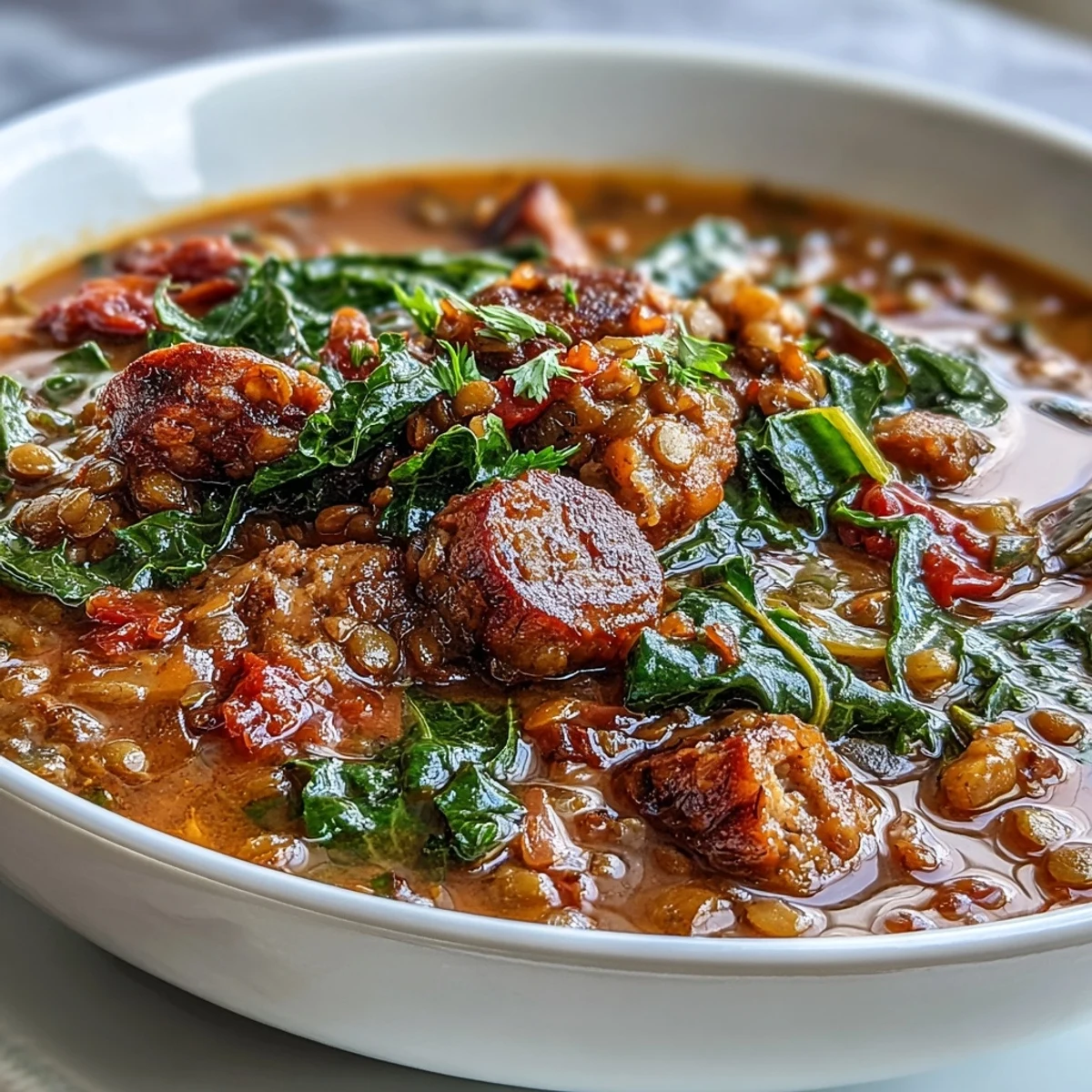
 I started making this soup on cold Sunday afternoons when I needed something warm that wouldn't empty my wallet. The smell of onions and carrots sweating in olive oil always pulled my roommate out of her room, and she'd lean against the counter asking what was cooking. It became our ritual, a pot of this soup simmering while we caught up on the week. The lentils would soften into the broth, the pasta would swell, and we'd eat straight from our bowls with bread in hand. It's the kind of meal that feels like a hug from the inside out.
I once made a double batch of this soup and brought it to a friend who'd just had a baby. She texted me later that night saying it was the first real meal she'd eaten in days, something she could reheat one-handed while holding her daughter. That's when I realized this soup wasn't just easy, it was generous. It stretched to feed however many people showed up, and it never felt like it was trying too hard. I've made it for potlucks, for myself on quiet weeknights, and for anyone who needed something simple and filling without any fuss.
Ingredients
- Olive oil: I use a fruity extra virgin here because it adds a subtle richness to the base, and two tablespoons is just enough to coat the vegetables without making the soup greasy.
- Yellow onion: Finely chopped onion melts into the broth and gives the soup a sweet, savory backbone that you don't really notice until it's missing.
- Carrots: Peeled and diced small so they cook evenly, carrots add a hint of natural sweetness and a pop of color that makes the soup feel alive.
- Celery: I used to skip celery until I realized it brings an earthy, slightly bitter note that balances the tomatoes perfectly.
- Garlic: Three cloves minced fine, added at just the right moment so they bloom in the oil without burning and turning bitter.
- Brown lentils: Rinsed well to remove any dust, these hold their shape better than red lentils and give the soup a satisfying, toothsome bite.
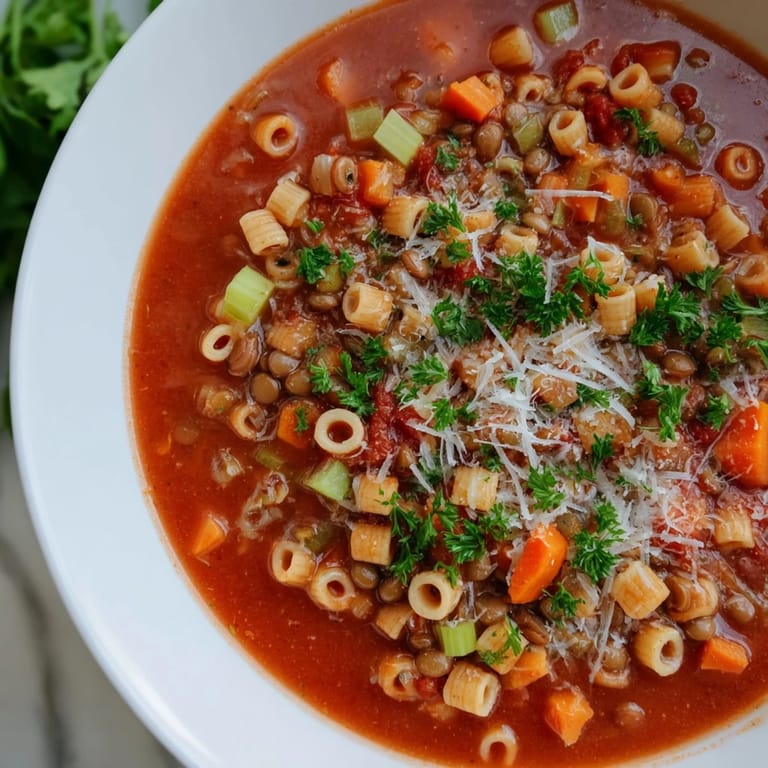
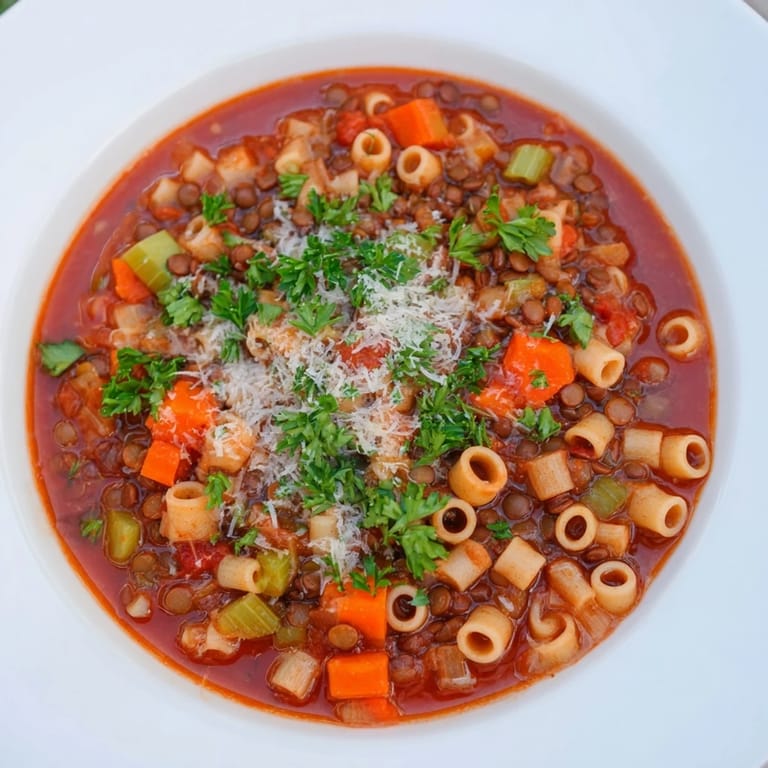
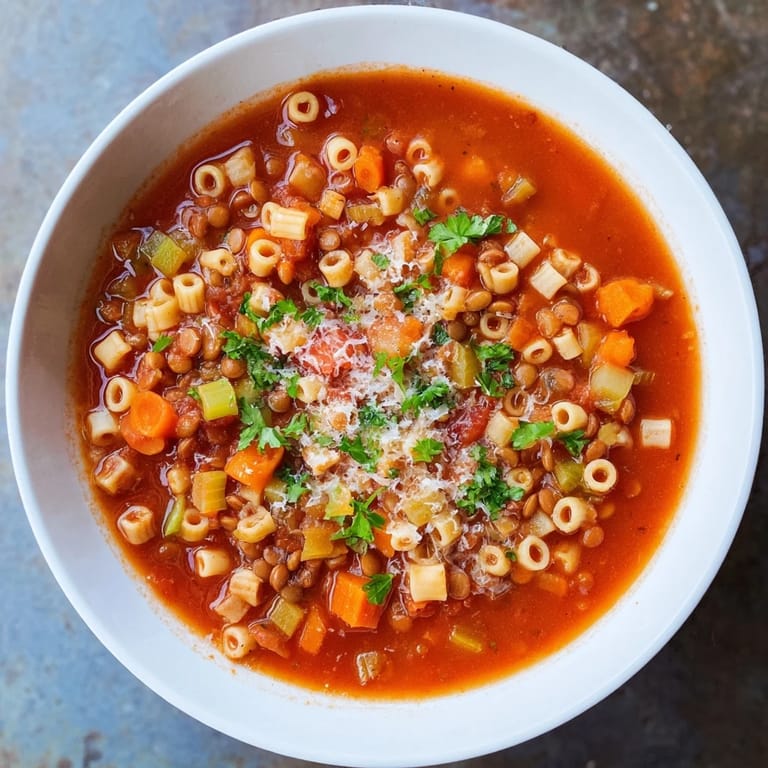
- Ditalini pasta: These little tubes catch bits of lentil and tomato in every spoonful, making each bite feel complete.
- Vegetable broth: Low-sodium lets you control the salt, and six cups creates a broth that's rich but not too thick.
- Diced tomatoes: I always use the juice from the can because it adds acidity and depth that plain tomatoes can't match.
- Tomato paste: Two tablespoons might seem small, but it concentrates the tomato flavor and gives the broth a deeper, almost umami quality.
- Dried thyme and oregano: These herbs are the quiet heroes, adding warmth and a hint of Mediterranean comfort without overwhelming the pot.
- Bay leaf: One leaf simmered low releases a subtle woodsy aroma that ties everything together, just remember to fish it out before serving.
- Crushed red pepper flakes: Optional, but half a teaspoon brings a gentle heat that wakes up your palate without making the soup spicy.
- Salt and black pepper: Always taste before you season, because the broth and tomatoes already bring some saltiness to the table.
- Fresh parsley: Chopped and scattered on top, it adds a bright, grassy note that cuts through the richness.
- Parmesan cheese: Freshly grated and optional, but it melts into the hot soup and adds a nutty, salty finish that I can never resist.
Tired of Takeout? 🥡
Get 10 meals you can make faster than delivery arrives. Seriously.
One email. No spam. Unsubscribe anytime.
Instructions
- Soften the vegetables:
- Heat the olive oil in a large pot over medium heat until it shimmers, then add the onion, carrots, and celery. Sauté for 6 to 8 minutes, stirring occasionally, until the vegetables soften and the onion turns translucent and smells sweet.
- Bloom the garlic:
- Stir in the minced garlic and cook for just 1 minute, letting it release its fragrance without browning. You'll know it's ready when the kitchen smells warm and inviting.
- Build the base:
- Add the rinsed lentils, diced tomatoes with their juice, tomato paste, thyme, oregano, bay leaf, and red pepper flakes if using. Mix everything together until the tomato paste dissolves into the vegetables and the pot smells like an Italian grandmother's kitchen.
- Simmer the lentils:
- Pour in the vegetable broth and bring the pot to a boil, then reduce the heat to low. Cover and let it simmer for 20 minutes, until the lentils are just tender but still hold their shape.
- Cook the pasta:
- Stir in the ditalini pasta and simmer uncovered for 8 to 10 minutes, stirring occasionally to keep the pasta from sticking. The soup will thicken slightly as the pasta releases its starch.
- Season and finish:
- Remove the bay leaf and taste the soup, then season with salt and black pepper until it tastes just right. Ladle into bowls, garnish with fresh parsley, and top with grated Parmesan if you like.
 Save to Pins
 One rainy evening, I made this soup and ate it curled up on the couch with a book I'd been meaning to finish. The steam rose from the bowl and fogged up my glasses, and I remember thinking that this was exactly what I needed, not just the food, but the slowness of it. The soup didn't demand anything from me except that I sit and eat and enjoy it. It reminded me that sometimes the best meals are the ones that let you pause and breathe, the ones that taste like care without requiring you to prove anything.
How to Store and Reheat
I always make extra because this soup keeps beautifully in the fridge for up to four days, stored in an airtight container. The pasta will absorb more broth as it sits, so I like to add a splash of water or extra broth when I reheat it on the stove over medium heat. You can also freeze it for up to three months, though I recommend leaving the pasta out if you're planning to freeze, and cooking fresh pasta when you're ready to eat. It thaws overnight in the fridge and reheats gently, tasting just as comforting as the day you made it.
Ways to Make It Your Own
I've added handfuls of chopped spinach or kale in the last five minutes of cooking, and it wilts right into the soup without any extra effort. Sometimes I'll toss in a rind of Parmesan while the lentils simmer, letting it melt into the broth and leaving behind a rich, savory flavor. If you like a thicker soup, mash some of the lentils against the side of the pot with the back of your spoon, and the broth will turn creamy and cling to the pasta. You can also swap the ditalini for any small pasta shape you have on hand, orzo, tubetti, or even broken spaghetti all work just fine.
What to Serve Alongside
This soup begs for a hunk of crusty bread, the kind you can tear with your hands and dip into the tomato broth until it soaks up every last bit. I've also served it with a simple arugula salad dressed in lemon and olive oil, which adds a peppery brightness that contrasts the soup's warmth. If you're feeding a crowd, set out a bowl of grated Parmesan, a dish of good olive oil for drizzling, and maybe some extra red pepper flakes so everyone can adjust their bowl to their liking.
- Crusty Italian bread or garlic toast for dipping and soaking up the broth.
- A light green salad with lemon vinaigrette to balance the richness.
- Extra Parmesan, olive oil, and red pepper flakes on the table for customizing each bowl.
 Save to Pins
 This soup has become one of those recipes I return to when I need something dependable, something that feels like home no matter where I am. I hope it finds a place in your kitchen too, simmering quietly on a weeknight or shared with someone who needs a warm bowl and a moment of comfort.
Questions & Answers
- → What type of pasta is used in this dish?
Small ditalini pasta is used, which cooks evenly and holds well in the broth.
- → Can I use other lentils for this dish?
Brown lentils are preferred for their texture and cooking time, but green lentils can be a substitute with slight adjustments.
- → How can I make this dish vegan?
Simply omit the Parmesan cheese or replace it with a plant-based alternative to keep it vegan.
- → Is it possible to add more vegetables?
Yes, chopped spinach or kale can be added in the last 5 minutes of cooking for extra greens.
- → What seasoning gives this soup its flavor?
A combination of thyme, oregano, bay leaf, and a touch of crushed red pepper flakes enhances the savory tomato broth.