 Save to Pins
 The first time I tasted proper döner, it wasn't from a street cart but from my neighbor's kitchen, where she'd been perfecting the technique for years. She showed me how the meat needs to be sliced almost translucently thin, each layer marinating in spices that seemed to whisper rather than shout. What struck me most was the patience—this dish doesn't rush. It builds flavor slowly, layer upon layer, until something magical happens in the oven.
I remember making this for friends on a Friday night, and the smell that filled my apartment was so intoxicating they started arriving early, just to see what was happening. One friend stood at the oven window watching the meat brown, saying it looked like edible art. That's when I realized döner isn't just dinner—it's an experience everyone wants to be part of.
Ingredients
- Boneless lamb shoulder or beef sirloin, thinly sliced (1 kg): Lamb shoulder has enough marbling to stay juicy during cooking, while beef sirloin offers a leaner option—ask your butcher to slice it thin, almost translucent, or freeze it slightly and do it yourself.
- Lamb fat or beef fat, thinly sliced (100 g, optional): This is the secret to authentic flavor and those crackling brown edges; it seems optional until you taste the difference it makes.
- Plain Greek yogurt (150 g): The tanginess tenderizes the meat while keeping it moist—regular yogurt works too, just drain it first.
- Olive oil (3 tbsp): Choose a robust one; it carries the spices beautifully.
- Garlic, minced (3 cloves): Fresh and pungent, it anchors the entire spice blend.
- Large onion, grated (1): Squeeze out the juice before adding—this removes excess moisture while keeping the aromatic compounds that break down the meat fibers.
- Ground cumin (2 tsp): Warm and earthy, this is the backbone of the marinade.
- Ground coriander (2 tsp): Adds a subtle citrus note that lifts everything else.
- Sweet paprika (2 tsp): Creates depth and color without heat.
- Smoked paprika (1 tsp): The secret weapon that makes people ask what that smoky flavor is.
- Ground black pepper (1 tsp): Freshly ground is essential—pre-ground loses its punch.
- Salt (1 ½ tsp): Distribute evenly so every layer tastes right.
- Ground cinnamon (½ tsp): Just enough to surprise without announcing itself; it's the whisper that makes the difference.
- Chili flakes, optional (½ tsp): For those who want a gentle warmth running through every bite.
Tired of Takeout? 🥡
Get 10 meals you can make faster than delivery arrives. Seriously.
One email. No spam. Unsubscribe anytime.
Instructions
- Build your spice foundation:
- In a large bowl, combine all marinade ingredients and stir until they form a cohesive paste. The yogurt should be fully incorporated with the spices, creating something that looks rich and fragrant. Take a moment to smell it—you're looking for warmth and depth, not just heat.
- Marry the meat with flavor:
- Add your sliced meat and fat (if using) to the bowl and coat every piece thoroughly, working gently so the thin slices don't tear. Cover and refrigerate for at least 4 hours, or let it sit overnight so the marinade can really penetrate.
- Prepare for cooking:
- Preheat your oven to 200°C (400°F). If you're lucky enough to have a vertical rotisserie, this is the moment to celebrate—but an oven works beautifully too.
- Stack and compress:
- Thread the marinated meat tightly onto metal skewers, pressing down firmly as you go to form a compact, cohesive stack. The compression helps it cook evenly and creates those edges that brown and crisp. Alternatively, layer it tightly in a loaf pan, pressing each layer down before adding the next.
- Roast until golden:
- Place your stack on a rack over a baking tray and roast for about 1 hour, basting occasionally with the pan juices—this keeps it moist and builds flavor. In the last 15 minutes, increase the oven to 220°C (430°F) if you want those edges to really caramelize and brown.
- Rest and slice:
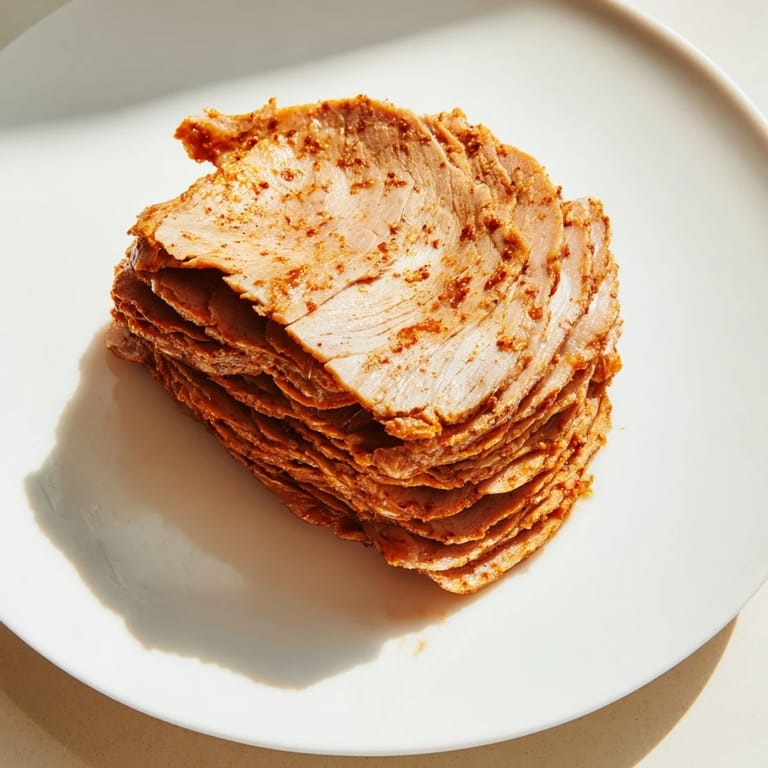
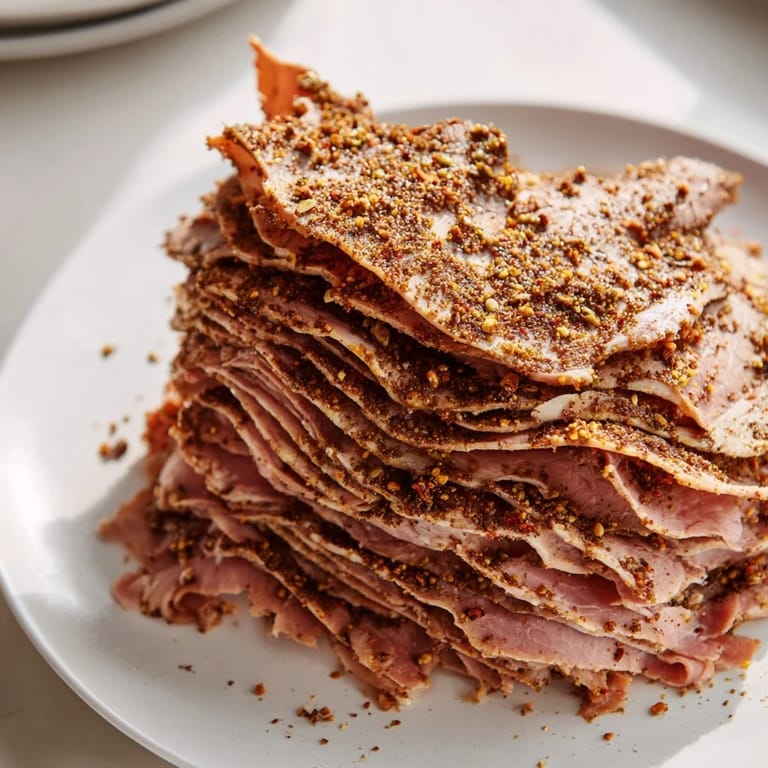
- Remove from heat and let the meat rest for 10 minutes—this is crucial, as it allows the juices to redistribute. Using a very sharp knife (a serrated blade works wonderfully), slice the meat as thin as you possibly can, letting each piece shave off naturally.
- Serve and celebrate:
- Serve immediately while everything is still warm, alongside warm pita or flatbread, fresh tomatoes, onions, lettuce, cucumber, and your choice of yogurt or garlic sauce. Let people build their own, because there's joy in that choice.
 Save to Pins
 There's something almost ceremonial about slicing döner fresh from the oven, watching the steam rise off the blade. A friend once said it reminded her of the sound and smell of a Turkish street market, and suddenly this dish became more than sustenance—it was a portal, a way to travel through flavor and memory.
Why the Marinade Matters More Than You Think
The real genius of döner isn't just the cooking method; it's the marinade. Greek yogurt is the secret weapon here—its acidity works like a gentle enzymatic tenderizer, breaking down muscle fibers while keeping the meat incredibly moist. The combination of warm spices (cumin, coriander, cinnamon) with smoky paprika creates layers of flavor that become more complex as they cook, with each layer amplifying the others. I once tried skipping the overnight rest to save time, and the difference was immediately noticeable—the meat was decent, but it lacked that profound tenderness that makes döner unforgettable.
The Art of Slicing and Serving
Thickness matters more than you'd expect when it comes to slicing your finished döner. Thin slices mean faster, more even cooking and better flavor absorption; they also create those delicate, tender pieces that literally melt on your tongue. I learned this the hard way when I first attempted this and sliced too thickly—the pieces were good, but they weren't döner. Now I use a very sharp serrated knife and let gravity help; the meat should almost shave off in thin, beautiful slices. The serving part is where you step back and let the dish shine—warm flatbread, crisp fresh vegetables, tangy yogurt sauce—it's all about balance and letting people customize their own bite.
Variations and Adaptations That Work
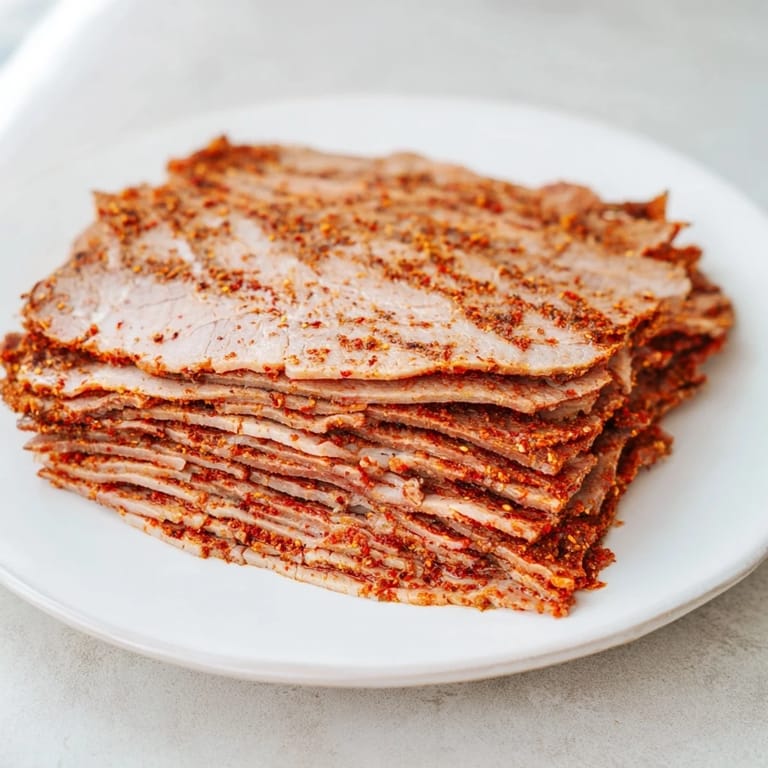
While lamb is traditional, I've found beef works beautifully and is often more budget-friendly, with a slightly deeper, richer flavor. Chicken thighs are another option if you want something lighter, though they need less marinating time—just 2 to 3 hours instead of overnight. You can even mix meats for complexity, or add a touch more chili flakes if your friends like heat. One time I experimented with adding a tablespoon of pomegranate molasses to the marinade, and it added this subtle fruity complexity that was stunning.
- Beef sirloin cooks slightly faster than lamb and has a different (though equally delicious) flavor profile.
- Chicken thighs reduce marinating time to 3 hours maximum, or they can become mushy.
- Adding pomegranate molasses, sumac, or a touch of rose water transforms the flavor into something unexpectedly sophisticated.
 Save to Pins
 Döner is one of those dishes that reminds you why we cook for each other. It's humble street food elevated, spiced and slow-cooked until it becomes something that brings people together.
Questions & Answers
- → What cuts of meat work best for Turkish Döner?
Boneless lamb shoulder or beef sirloin are ideal for tender, flavorful layers. Adding thinly sliced fat enhances authenticity.
- → How long should the meat marinate?
Marinating for at least 4 hours, preferably overnight, ensures the meat absorbs spices and becomes tender.
- → What spices create the signature Döner flavor?
A mix of cumin, coriander, sweet and smoked paprika, black pepper, cinnamon, and optional chili flakes creates a rich, aromatic profile.
- → Can this be cooked without a vertical rotisserie?
Yes, layering the meat tightly on skewers or in a loaf pan and roasting in the oven achieves similar results.
- → What are recommended accompaniments?
Flatbreads or pita, along with sliced tomatoes, onions, cucumber, shredded lettuce, and yogurt or garlic-based sauces complement the dish well.
- → How should leftovers be reheated?
Reheat gently in a pan or oven to preserve tenderness and moisture without drying out the meat.