 Save to Pins
 My neighbor Lucia once scolded me for buying pre-grated cheese at the supermarket. She stood in my doorway, hands on her hips, and said real cacio e pepe starts with a block of Pecorino and a grater. I thought she was being dramatic until I tasted the difference. The cheese melted into silk instead of clumping into grainy bits, and suddenly this three-ingredient dish made sense. Now I keep a wedge of Pecorino in my fridge at all times, just in case.
I made this for my partner on a Wednesday night when we were both too tired to think. No music, no candles, just two bowls of pasta and the sound of forks scraping plates. Halfway through, he looked up and said it tasted like the trip we took to Rome three years ago. We didn't need anything fancy that night. Just pepper, cheese, and a little bit of starchy water doing all the work.
Ingredients
- Spaghetti (400 g): Use good quality bronze-cut pasta if you can find it, the rough texture helps the sauce cling better than the slick supermarket kind.
- Pecorino Romano cheese (120 g, finely grated): This is the heart of the dish, salty and sharp with a slight funk that Parmesan just can't replicate, always grate it fresh or it won't melt right.
- Freshly cracked black pepper (2 tsp, plus extra): Toast it first to wake up the oils, the fragrance will fill your kitchen and remind you why this dish is named after pepper.
- Salt: For the pasta water, make it taste like the sea so the noodles season themselves as they cook.
Tired of Takeout? 🥡
Get 10 meals you can make faster than delivery arrives. Seriously.
One email. No spam. Unsubscribe anytime.
Instructions
- Boil the Pasta:
- Bring a large pot of salted water to a rolling boil and drop in the spaghetti, cooking it until just al dente with a slight bite in the center. Before you drain, scoop out at least one cup of that starchy pasta water, it's liquid gold for building the sauce.
- Toast the Pepper:
- While the pasta cooks, add the black pepper to a dry skillet over low heat and let it sizzle for a minute or two until it smells toasty and alive. Don't walk away or it'll burn and turn bitter.
- Build the Base:
- Pour about half a cup of the hot reserved pasta water into the skillet with the toasted pepper and let it simmer gently. This creates a peppery broth that will coat every strand of spaghetti.
- Toss the Pasta:
- Add the drained spaghetti directly into the skillet and toss it around with tongs until every piece is slick with the pepper water. Work quickly so the pan stays hot and everything emulsifies properly.
- Add the Cheese:
- Take the skillet off the heat and start sprinkling in the grated Pecorino a little at a time, tossing constantly like you're trying to convince it to melt. Add splashes of reserved pasta water whenever it looks dry or clumpy, the goal is a creamy coating that clings without breaking.
- Serve Hot:
- Plate the spaghetti immediately while it's still steaming and finish with an extra shower of cheese and a few cracks of pepper. Cacio e pepe waits for no one, it's best eaten the moment it leaves the pan.
 Save to Pins
 One night I served this to a friend who said she didn't like simple food. She finished her bowl, looked at me, and asked if I'd added cream or butter. When I told her it was just cheese, pepper, and pasta water, she didn't believe me. She made me write down the steps on a napkin before she left. I still have a photo of that napkin somewhere on my phone.
Choosing Your Cheese
Pecorino Romano is traditional and gives you that sharp, salty punch that defines the dish. If you can't find it or want something gentler, Parmigiano Reggiano works too, though the flavor will be milder and nuttier. Some people mix the two for balance. I've done that on nights when my Pecorino ran out, and honestly, no one complained.
Getting the Texture Right
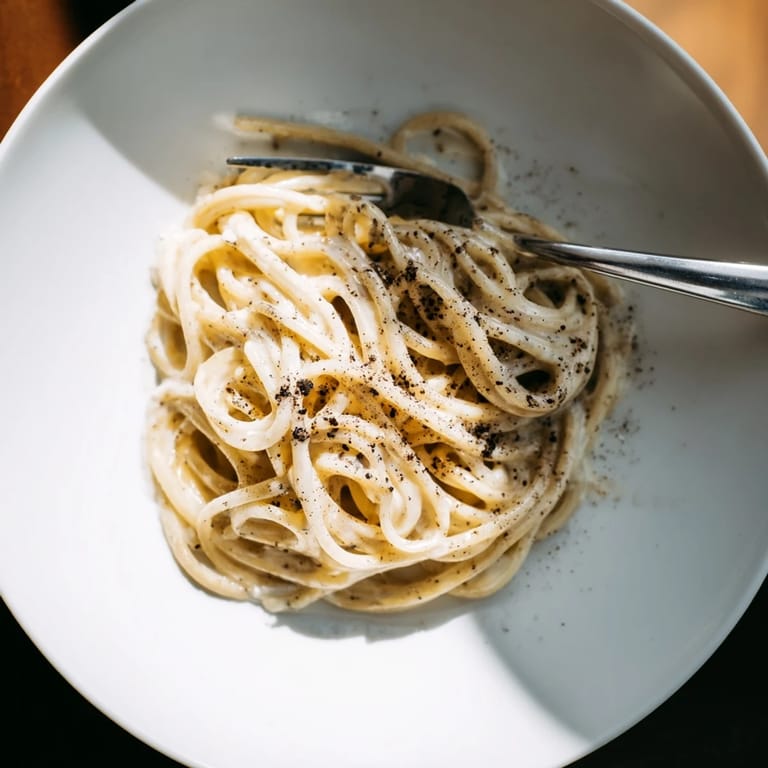
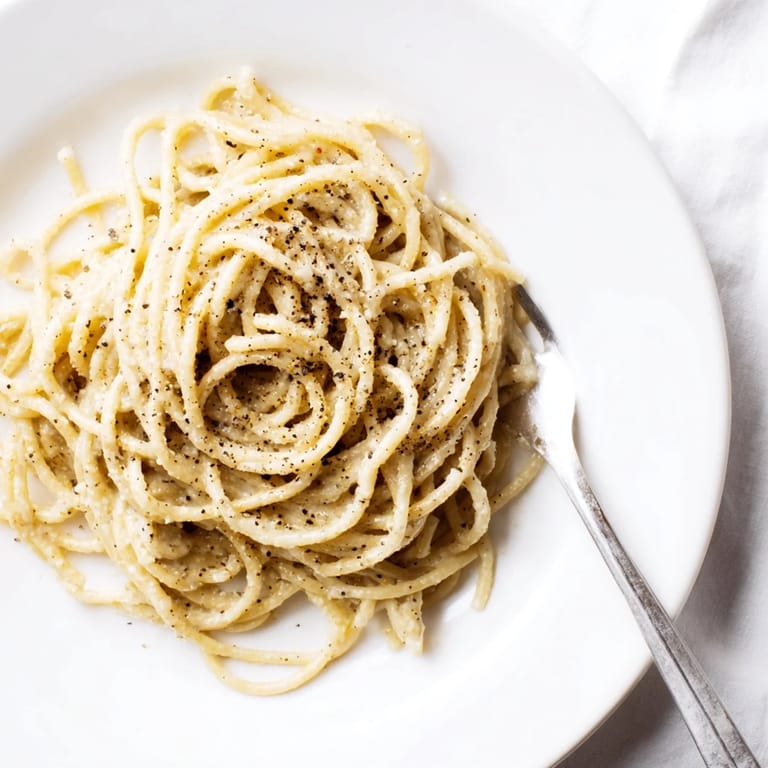
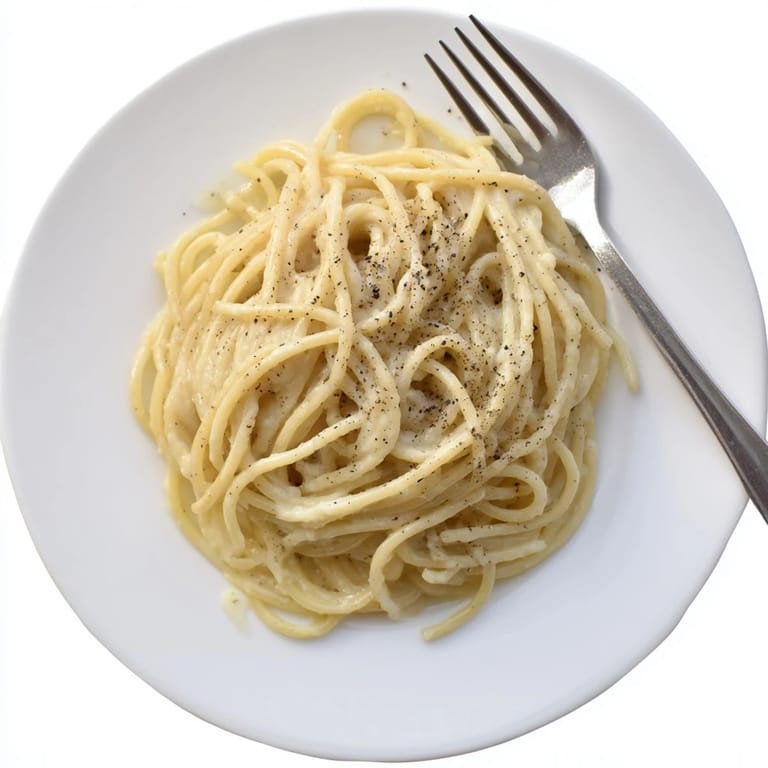
The sauce should look glossy and cling to each strand like a silky veil, not a puddle at the bottom of the bowl. If it's too thick, add pasta water a tablespoon at a time while tossing. If it's too thin, keep tossing off the heat and let the residual warmth thicken it up. The key is constant movement and a little patience.
What to Serve Alongside
Cacio e pepe is rich enough to stand alone, but a simple arugula salad with lemon and olive oil cuts through the richness beautifully. A crisp white wine like Vermentino or Pinot Grigio is classic, though I've had it with a light red and didn't regret it. Keep sides minimal so the pasta stays the star.
- A handful of peppery arugula dressed with lemon juice makes a perfect palate cleanser between bites.
- Serve with crusty bread to mop up any cheesy bits left in the bowl.
- Pour the wine cold and let the conversation flow, this dish doesn't need distractions.
 Save to Pins
 This dish taught me that luxury doesn't come from a long ingredient list or fancy techniques. Sometimes it's just about respecting a few good things and letting them speak for themselves.
Questions & Answers
- → Why does my sauce become clumpy instead of creamy?
Clumping occurs when cheese is added too quickly or at too high a temperature. Add the Pecorino Romano gradually while tossing vigorously, and maintain low to medium heat. The starch in the pasta water helps emulsify the cheese into a silky sauce.
- → Can I use Parmigiano Reggiano instead of Pecorino Romano?
Yes, Parmigiano Reggiano works well as a substitute, though it will create a milder, less sharp flavor. Some prefer mixing both cheeses for a balanced taste. Ensure both are freshly grated for best results.
- → How important is reserving pasta water?
Reserving pasta water is essential. The starch in the water creates the silky emulsion that binds the cheese and pepper together. Without it, the dish won't achieve the proper creamy texture.
- → Should I use pre-ground black pepper?
Freshly cracked black pepper is highly recommended for authentic flavor. Pre-ground pepper loses its volatile oils and aromatic qualities. Crack whole peppercorns just before cooking for the best taste and fragrance.
- → What wine pairs best with this dish?
Crisp white wines complement the rich, peppery flavors beautifully. Vermentino, Pinot Grigio, or other dry white wines cut through the cheese's richness and enhance the overall dining experience.
- → Can I make this vegan?
Traditional Cacio e Pepe cannot be made vegan as cheese is essential to the dish. However, you can experiment with cashew cream mixed with nutritional yeast, though it won't replicate the authentic flavor and texture.