 Save to Pins
 I'll never forget the first time I arranged a monochrome cheese board at a dinner party. It was supposed to be a simple appetizer, but as I pulled out those ash-rinded cheeses and dark slate crackers, something magical happened. The board transformed into a work of art, all moody grays and deep blacks, and my guests actually paused before reaching for anything because it looked too beautiful to eat. That moment taught me that the simplest ingredients, when chosen thoughtfully and arranged with intention, can create something truly memorable.
I made this board for a friend's promotion celebration, and watching her face light up when she saw those dramatic gray tones on the dark stone was absolutely worth the minimal effort. She said it felt like the board itself was celebrating with her, and honestly, that's when I realized how much presentation matters when you're gathering people you care about.
Ingredients
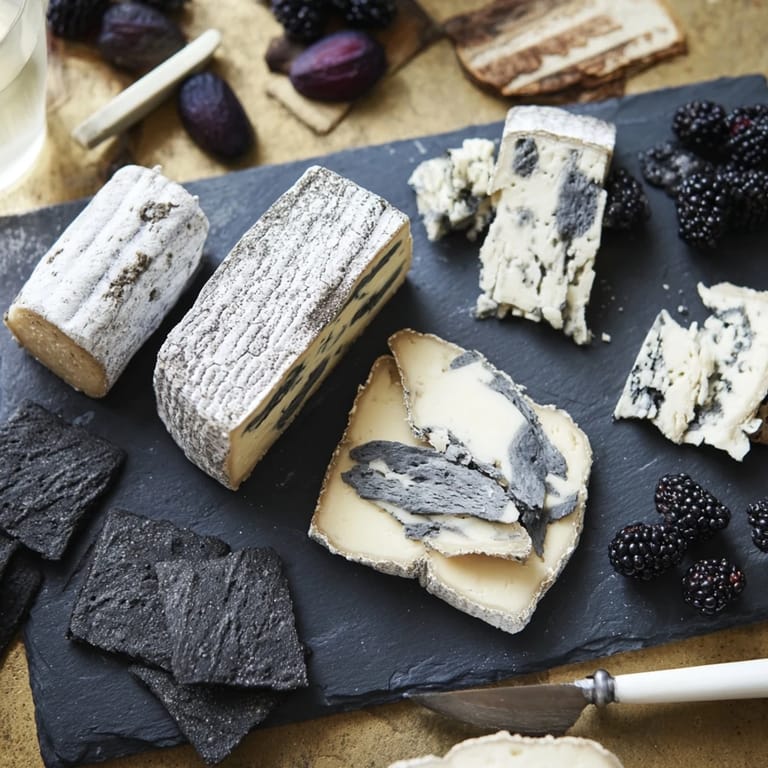
- Morbier or ash-rinded semi-soft cheese (150 g): This is your visual anchor. That distinctive dark line running through the center tells you it's authentic, and the creamy texture contrasts beautifully with crunchier accompaniments. I learned to slice it about a quarter-inch thick so it doesn't crumble but still holds its shape.
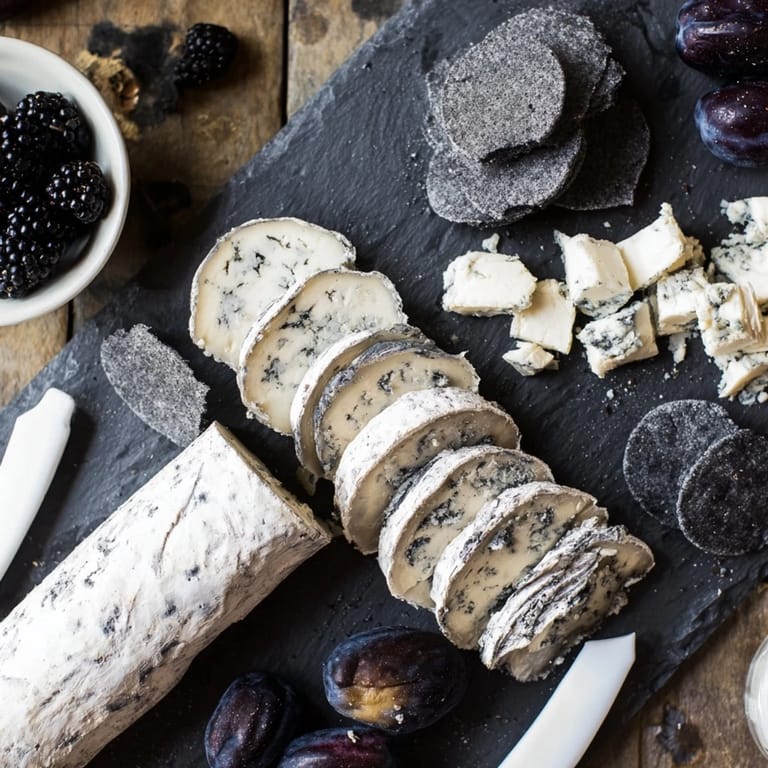
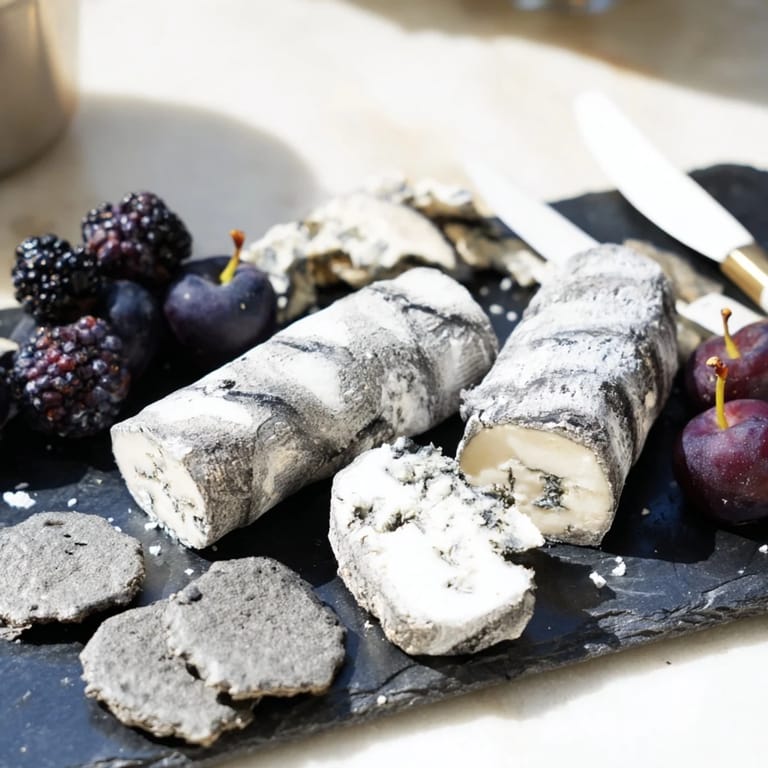
- Humboldt Fog or ash-ripened goat cheese (120 g): The ash coating on these cheeses is pure elegance, and the tangy goat cheese flavor keeps the board from feeling too heavy. Buy it whole if possible so you can see that gorgeous gray exterior.
- Valdeon blue cheese or gray-veined blue (100 g): This brings both visual drama and bold flavor. The blue-gray veining is exactly what makes this board monochrome magic. Just a little goes a long way.
- Slate-colored charcoal crackers (8–10 pieces): These aren't just functional; they're the supporting cast that makes your main actors shine. Look for them at specialty stores, and don't skip them for regular crackers.
- Dark rye or pumpernickel bread (6–8 slices): The earthiness of pumpernickel deepens the whole experience. Slice it yourself if you can; it tastes fresher and looks more intentional.
- Black grapes or dark plums: These provide juicy pockets of sweetness that break up the richness of the cheeses. The dark color keeps the monochrome theme intact while adding textural contrast.
- Blackberries or blueberries: Scatter these strategically to fill visual gaps. They're like tiny flavor bombs that surprise you between bites of cheese.
- Black olive tapenade (2 tbsp): This is your secret weapon for umami depth. A spoonful transforms the whole tasting experience.
- Edible charcoal salt: A tiny pinch right before serving adds visual sophistication and a subtle mineral note that makes people ask what's different about this board.
- Fresh rosemary or thyme sprigs (optional): If you use these, they're the only color break. I usually skip them to keep the monochrome purity, but a single sprig of deep green can look stunning against the grays.
Tired of Takeout? 🥡
Get 10 meals you can make faster than delivery arrives. Seriously.
One email. No spam. Unsubscribe anytime.
Instructions
- Set your stage with the right board:
- Place your dark stone or slate board in the center of where you'll be serving. This is your canvas, and its deep color is absolutely essential to making everything else pop. Run your finger across it to make sure it's clean and dry.
- Compose your cheese sections:
- Slice your cheeses as you prefer (I go for quarter-inch slices for the soft cheeses, slightly thicker wedges for the blue). Arrange each cheese type in its own little section, leaving breathing room between them. Think of it like creating a painting with distinct but balanced areas.
- Create textural variety with breads:
- Fan out your charcoal crackers in small standing stacks around the cheeses. Tear or slice your pumpernickel into appealing pieces and arrange them in their own section. These shouldn't be random; they should look like you've thought about their placement.
- Fill the gaps with fruit and life:
- Arrange your dark grapes in little clusters, scatter the blackberries like edible confetti, and position any plum slices where they'll catch the light. These aren't just fillers; they're flavor punctuation marks that make the board feel abundant and generous.
- Add your special touches:
- Spoon the black olive tapenade into a tiny dark bowl (or straight onto the board if you're feeling confident), and give those cheeses a whisper of edible charcoal salt. Don't overdo it; less is more here.
- Finish with intention:
- Step back and look at your board. Does it feel balanced? Are there any large empty spaces that need a berry or cracker? Arrange any herb garnishes last, right before serving.
- Present with confidence:
- Bring your board to the table with small cheese knives and serving plates. This moment is important; let people see what you've created before they start eating.
 Save to Pins
 My favorite memory with this board is watching my grandmother, who usually declares herself 'not fancy enough' for cheese boards, actually take the time to cut a perfect little wedge of the Humboldt Fog, pair it with a charcoal cracker, and close her eyes while she tasted it. She looked like she was experiencing something special, and she was, but mostly because someone (me) had put enough care into presenting it.
The Art of Dark & Moody
There's something deeply satisfying about embracing a single color palette in food. The monochrome approach isn't lazy; it's actually a form of culinary sophistication that lets each ingredient speak without visual chaos. When everything is in harmony with the dark stone, your guests can focus entirely on taste, texture, and conversation instead of being distracted by competing colors. It feels modern, intentional, and surprisingly calming.
Pairing & Wine Wisdom
This board pairs beautifully with wines that have their own complexity and earth-forward character. A Malbec with its dark fruit notes feels at home here, as does a smoky Pinot Noir that echoes the pumpernickel and charcoal elements. If you're serving this at a meal where wine isn't the focus, a quality cold-brew coffee or even sparkling water with a squeeze of lemon works wonderfully. I've learned that the best pairings are the ones that feel natural to your occasion, not the ones that sound impressive.
Making It Yours
The beauty of a monochrome board is how easy it is to adapt to what you find at your cheese counter or farmers market. You're not locked into these specific cheeses; you're locked into the aesthetic. Any ash-rinded cheese, any blue cheese with gray veining, any dark cracker will work. This flexibility means you can make this board season after season, and it will always feel fresh because it's built on what's best that day. I often use whatever local cheeses are at their peak, which makes the board feel like a snapshot of my culinary life at that moment.
- Look for unusual charcoal crackers at specialty food stores, or substitute with black sesame crackers if charcoal ones are hard to find
- If you can't find Humboldt Fog, any goat cheese with a visible ash coating will create the same visual impact
- Dark beets or thinly sliced dark radishes can substitute for some of the fruit if you want to lean even further into the monochrome
 Save to Pins
 Every time I make this board, I'm reminded that the most memorable meals aren't always about complicated cooking. They're about intention, thoughtfulness, and knowing that something as simple as a beautiful arrangement of cheese and crackers can make people feel valued. That's the real magic here.
Questions & Answers
- → What types of cheeses are best for this board?
Ash-rinded semi-soft cheeses like Morbier, ash-ripened goat cheese such as Humboldt Fog, and blue cheeses with gray veining like Valdeon create the desired monochrome effect and rich, balanced flavors.
- → Which breads and crackers complement the cheeses?
Slate-colored charcoal crackers and dark rye or pumpernickel bread slices offer contrasting textures and deep hues that enhance the visual and taste profile of the board.
- → How do the fruit selections enhance this board?
Black grapes, dark plums, blackberries, and blueberries add juicy sweetness and subtle tartness, balancing the savory and creamy cheeses while maintaining the dark, monochrome theme.
- → What is the role of black olive tapenade on the board?
The tapenade introduces a rich, briny flavor and luxurious texture, complementing the cheeses and providing a bold accent within the cohesive color scheme.
- → How can I maintain the elegant monochrome look when assembling?
Use a dark stone or slate board and arrange elements thoughtfully with spacing. Avoid bright-colored fruits or garnishes and opt for edible charcoal salt and fresh herbs like rosemary or thyme for subtle contrast.
- → Can this board accommodate dietary restrictions?
It suits vegetarian diets but contains milk and gluten. Check cheese labeling for animal rennet and ensure crackers and breads meet specific dietary needs.