 Save to Pins
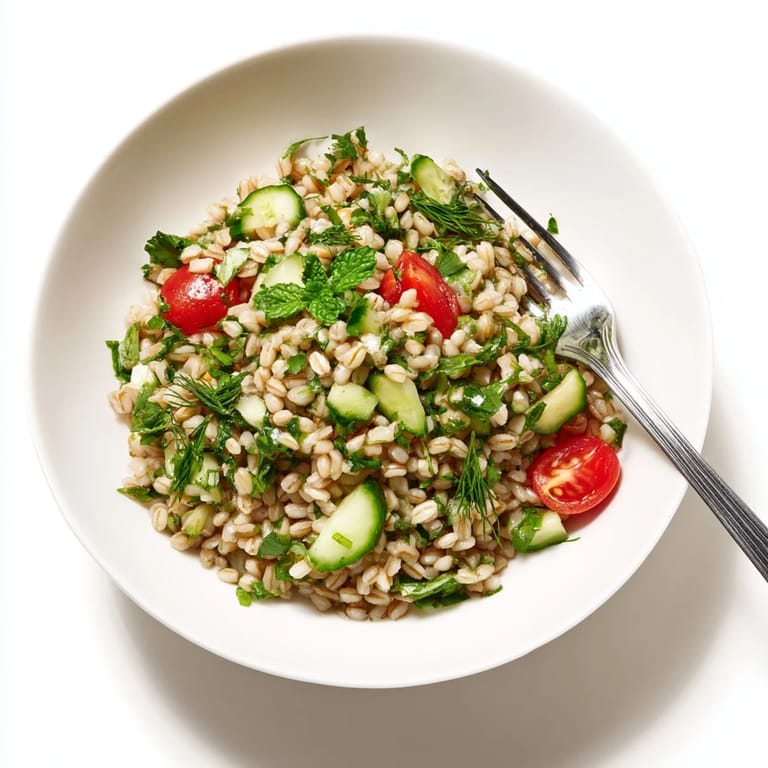
 The first time I made this barley salad, I had just discovered pearl barley at the back of my pantry and decided to experiment. That sunny afternoon kitchen experiment turned into one of those recipes I found myself making weekly, loving how the barley somehow made everything feel more substantial and satisfying without being heavy.
I brought this to a potluck last summer and watched three different people ask for the recipe, genuinely surprised that something so simple could taste this vibrant. My friend Sarah who claims to hate grain salads went back for seconds, and I think that moment converted her completely.
Ingredients
- 1 cup pearl barley: Rinse it thoroughly until the water runs clear to remove any dusty starch that might make the grains gummy
- 3 cups water: You want enough liquid to fully cook the barley without it absorbing everything and drying out
- 1/2 teaspoon salt: Just enough to season the barley as it cooks, though youll add more later in the dressing
- 1/2 cup fresh parsley: Flat leaf parsley works best here with its cleaner, less bitter flavor than curly
- 1/4 cup fresh mint: Dont be tempted to skip this, the mint is what makes the whole salad sing and feel refreshing
- 1/4 cup fresh dill: Dill and barley are surprisingly perfect together, adding this bright almost anise like flavor
- 1/2 small red onion: Soak the diced onion in cold water for 10 minutes if you want to mellow its sharp bite
- 1 cup cherry tomatoes: Look for tomatoes that feel heavy for their size, theyll be the juiciest and sweetest
- 1 small cucumber: English or Persian cucumbers work best since they have fewer seeds and thinner skin
- 1/4 cup extra virgin olive oil: Really use your best olive oil here since the dressing is simple and the quality shines through
- 2 tablespoons fresh lemon juice: Roll the lemon on the counter before cutting to maximize the juice you get
- 1 teaspoon Dijon mustard: This is the secret to getting the dressing to emulsify and cling to every grain of barley
- 1 garlic clove: Mince it finely so you get tiny bursts of garlicky flavor rather than big overwhelming chunks
- Salt and pepper: Taste the finished salad before adding more, the barley and cheese both add saltiness
Tired of Takeout? 🥡
Get 10 meals you can make faster than delivery arrives. Seriously.
One email. No spam. Unsubscribe anytime.
Instructions
- Cook the barley until perfectly tender:
- Bring the water and salt to a rolling boil before adding the rinsed barley, then reduce heat to low and cover with a tight fitting lid. Let it simmer gently for 25 to 30 minutes until the grains are tender but still have a pleasant chew to them.
- Cool the barley completely:
- Drain any excess water and spread the barley on a large baking sheet or plate to speed up cooling. Room temperature barley will absorb the dressing much better than hot barley would.
- Prep all your fresh herbs and vegetables:
- While the barley cools, finely chop the parsley, mint, and dill, then dice the cucumber, halve the tomatoes, and dice the red onion as small as you can manage. The smaller the vegetables, the more flavors in every single bite.
 Save to Pins
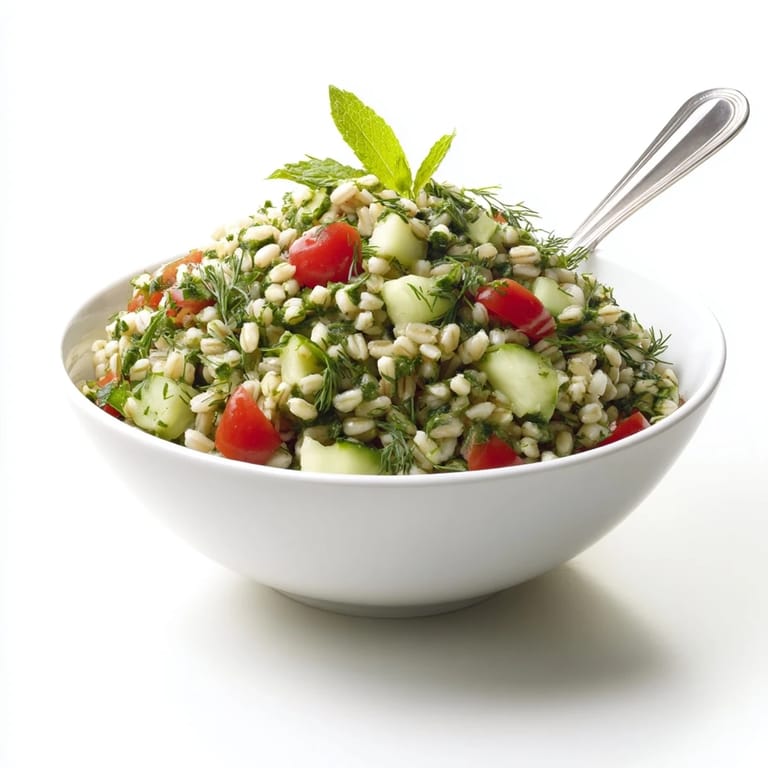
 This salad has become my go to for meal prep Sundays because I know Ill actually look forward to eating it for lunch all week. Theres something so satisfying about opening the fridge and seeing a bowl full of vibrant green herbs and nutty grains ready to go.
Making It Ahead
Ive learned through trial and error that this salad keeps beautifully in the refrigerator for up to two days, though the herbs will lose some of their punch. If you want to make it further in advance, keep the dressing separate and toss everything together right before serving for the freshest flavor.
Serving Suggestions
This barley salad works beautifully alongside grilled fish or roasted chicken, but its substantial enough to stand alone as a light lunch. I love serving it in shallow bowls with an extra sprinkle of herbs on top for that pretty, restaurant style presentation that makes even a weekday lunch feel special.
Creative Variations
Sometimes I swap out half the barley for quinoa for extra protein, or add crumbled feta when I want something creamier and more indulgent. During winter, roasted butternut squash or sweet potato cubes turn this into a hearty, warming salad that still feels fresh and vibrant.
- Try adding toasted walnuts or pine nuts for extra crunch and protein
- Grilled vegetables like zucchini or eggplant work beautifully mixed in during summer
- A drizzle of pomegranate molasses right before serving adds incredible depth
 Save to Pins
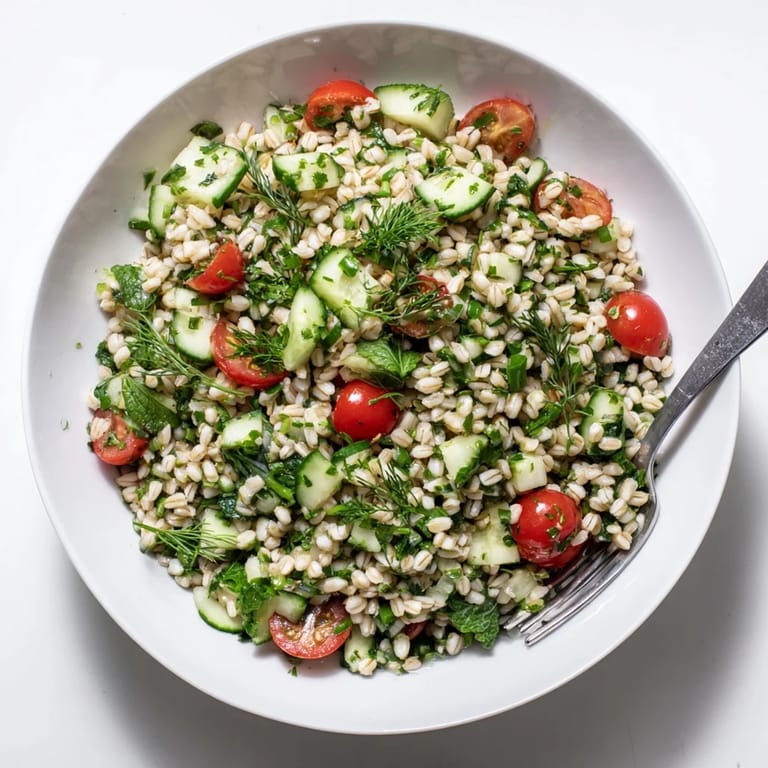
 This recipe taught me that grain salads dont have to be boring or dry, and now its become one of those reliable dishes I can make with my eyes closed. Every time I serve it, someone asks what makes it so good, and I always smile and say its just barley and herbs, simple as that.
Questions & Answers
- → Is pearl barley gluten-free?
Pearl barley contains gluten and is not suitable for those with celiac disease or gluten sensitivity. For a gluten-free alternative, try quinoa or buckwheat groats.
- → Can I make this salad ahead of time?
Yes, this dish actually improves after a few hours in the refrigerator as the flavors meld. It keeps well for up to 2 days, though the herbs are brightest when served within 24 hours.
- → What other grains work in this salad?
Farro, wheat berries, or brown rice make excellent substitutes for pearl barley. Adjust cooking times accordingly—farro typically takes 25-30 minutes, while brown rice may need 40-45 minutes.
- → How do I prevent the barley from becoming mushy?
Rinse the cooked barley under cold water immediately after draining to stop the cooking process. Spread it on a baking sheet to cool quickly before mixing with the herbs and vegetables.
- → Can I add protein to make it a complete meal?
Absolutely. Chickpeas, grilled chicken, or feta cheese pair beautifully. For vegan protein, consider adding toasted walnuts, hemp seeds, or cubed tofu marinated in the lemon dressing.
- → What herbs can I substitute if I don't have fresh dill?
Fresh basil, cilantro, or tarragon work well as alternatives. Use whatever fresh herbs you have on hand—the combination of parsley and mint provides the foundation, while the third herb adds aromatic depth.